Best Beach Holiday Destinations

Where Sun, Sand and Sea Come Together
The world's coastlines range from powdery white coral sand in the Indian Ocean to dramatic volcanic shores in the Atlantic. Choosing the right beach destination depends on the kind of experience you want: calm shallow water for families, world-class snorkelling with 15–30 metres of underwater visibility, or lively beach towns with a good nightlife scene. Flights from the UK cover both ends of the spectrum, from short-haul breaks in the Canary Islands at around £80–£250 return per person to long-haul escapes to the Maldives or Caribbean from roughly £400–£900 return. Getting the right match between budget, travel time and beach style saves far more than it costs to plan carefully.

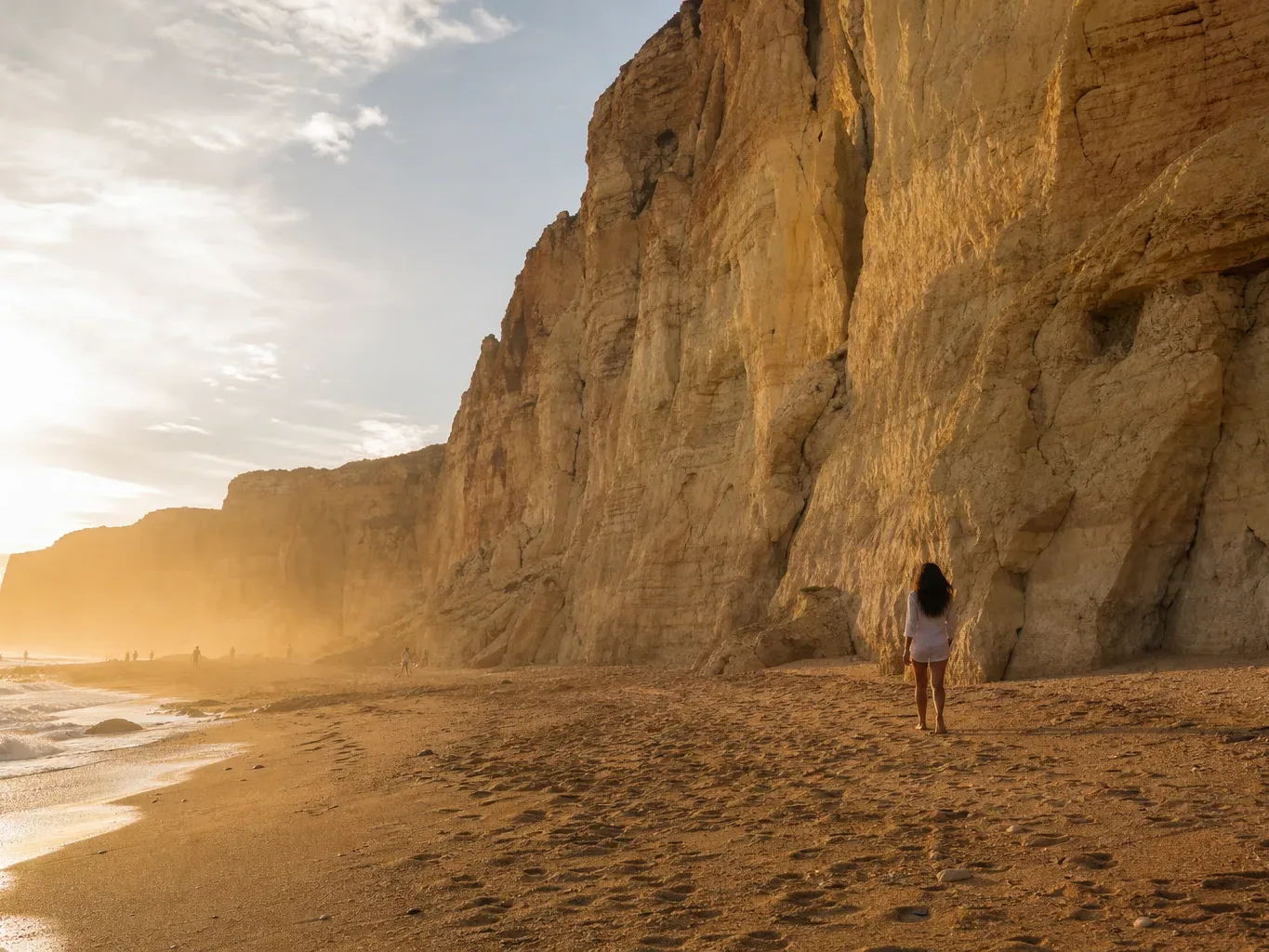
Europe's Top Beach Spots
For a 7–10 night break without crossing into long-haul territory, southern Europe and the Atlantic islands deliver reliably warm weather and easy logistics. The Algarve in Portugal combines dramatic limestone cliffs with wide sandy coves and calm, swimmable water from May through October. Crete offers a full package: ancient ruins inland, excellent tavernas and beaches that vary from organised resort strips to quiet pebble bays reachable only on foot.
The Canary Islands
Lanzarote, Gran Canaria and Tenerife sit just off the African coast and fall within the winter sun season, which runs October to March. Daytime air temperatures stay between 20–28°C even in January, making them the most practical European-territory option for a mid-winter beach holiday. Gran Canaria's Maspalomas dunes are genuinely striking, and Tenerife's Teide backdrop gives the island a more dramatic feel than a typical resort destination. A budget all-inclusive here costs £80–£150 per person per night based on two adults sharing, with mid-range properties running £150–£300.

The Caribbean
The Caribbean offers a concentration of high-quality beach holidays within a flight of roughly 8–10 hours from the UK, placing it firmly in long-haul territory. Barbados, Antigua and St Lucia each have distinct characters. Barbados has a well-developed west coast lined with calm, turquoise water and a genuine food culture that goes well beyond resort menus. Antigua's 365 beaches claim is marketing, but even a fraction of them would keep most visitors happy for 10–14 nights.
Sea temperatures across the Caribbean stay around 26–30°C year-round, which means snorkelling and swimming are comfortable in every month. The peak hurricane risk runs June to November, so travel between December and April tends to offer both better weather and higher demand. Book 3–6 months ahead for the best combination of availability and price, particularly for the Christmas and February half-term windows. Luxury all-inclusive resorts here sit in the £300–£700 per person per night range, though mid-range options are available from £150–£300.
St Lucia
St Lucia stands out for travellers who want more than a flat, featureless resort. The Piton mountains rise directly from the sea in the south of the island, framing a beach landscape that looks more dramatic than almost anywhere else in the Atlantic. Snorkelling around Anse Chastanet is particularly good, with clear water and healthy coral within easy distance of the shore. It suits couples and adventurous families more than large groups looking for entertainment-led resorts.
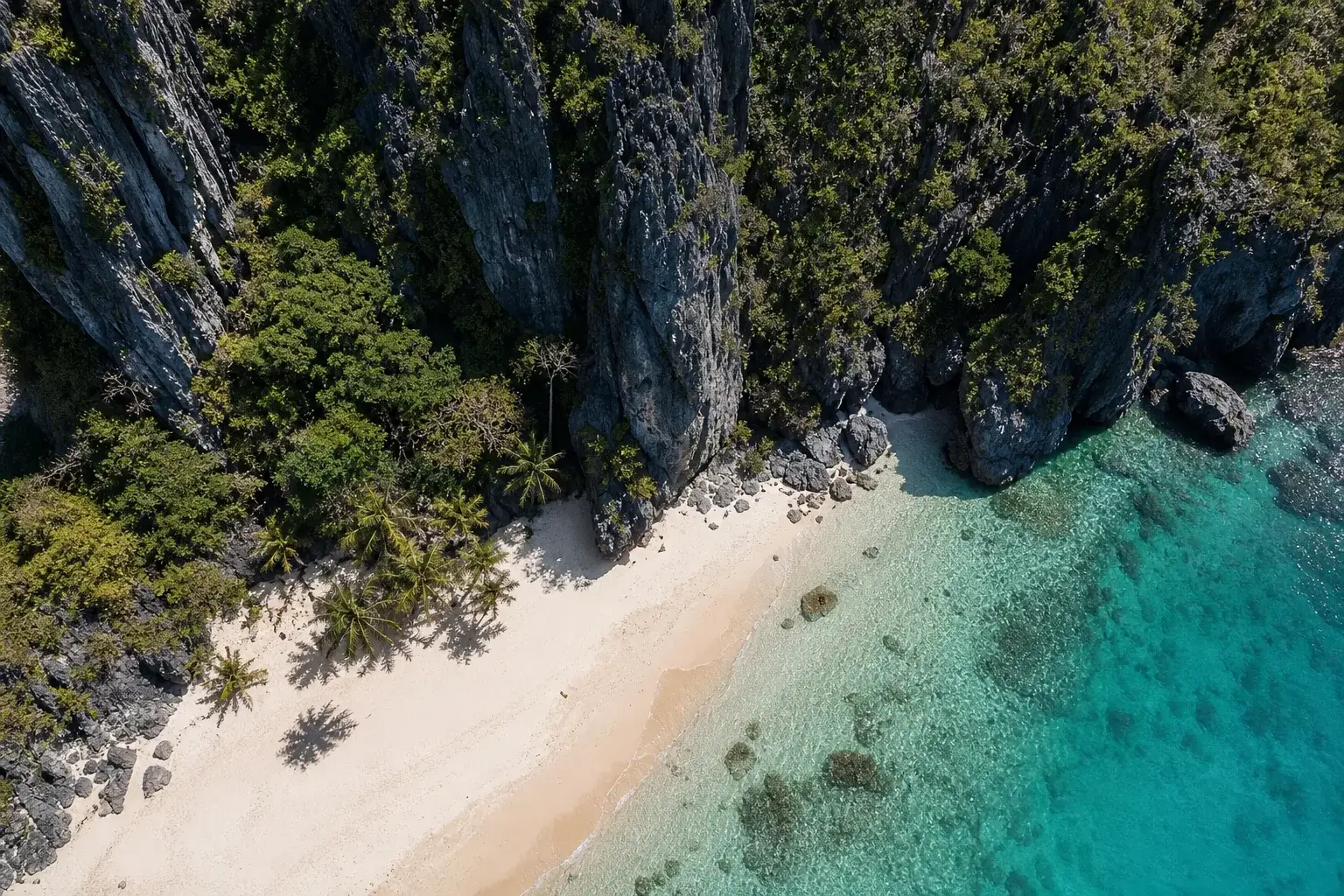
Southeast Asia's Beaches
Thailand, Indonesia and the Philippines collectively offer some of the longest stretches of tropical beach at prices that make long-haul travel surprisingly affordable. These destinations sit within 23.5 degrees of the equator, classifying them as tropical, with year-round warm temperatures and sea temperatures consistently in the 26–30°C range. Flights from the UK typically take 11–13 hours, and budget hotels start as low as £40–£90 per room per night in many areas.
Thailand
Koh Samui, Koh Lanta and the Phi Phi Islands attract different types of travellers, which means picking the right island matters more than picking Thailand generically. Koh Lanta is quieter and better for families or anyone who finds the party atmosphere of Koh Phangan unappealing. The Andaman coast around Krabi has some of the most photographed scenery in the region, with limestone karsts rising from flat, translucent water. A typical trip runs 10–14 nights, and the dry season from November to April offers the most reliable beach weather on the west-coast islands.
The Maldives
The Maldives sits at the premium end of beach travel, built almost entirely around overwater bungalows and house-reef snorkelling or diving. Visibility in the water regularly reaches 15–30 metres, and the flat atolls mean there is no real geography beyond the sea and sky. Accommodation is resort-island based, with luxury properties running £300–£700 per person per night. Long-haul flights from the UK take around 10–11 hours, and the Indian Ocean location gives it warm, settled weather for most of the year outside of the May–October wet season.
Africa and the Indian Ocean
Zanzibar, Mauritius and Cape Verde offer distinct beach experiences all within or close to the tropical band. Zanzibar combines white-sand beaches with a UNESCO-listed Stone Town and the cultural depth that comes from its position on historic Indian Ocean trade routes. Mauritius has a reputation for honeymoon travel, but its lagoon beaches and mid-range all-inclusive resorts, priced from £150–£300 per person per night, make it viable for a wider range of budgets than its luxury image suggests.
Cape Verde is the most accessible of the three for winter sun seekers, sitting just 6 hours from the UK on short-haul routes. The island of Sal in particular has consistent wind conditions that attract kitesurfers, but Santa Maria beach is wide enough that non-surfers have plenty of calm space. Temperatures stay in the 20–28°C range through the winter sun season, giving it reliable beach weather when northern Europe is cold and grey.
Practical Planning Tips
Most beach destinations featured here are accessible to UK passport holders either visa-free or on a visa-on-arrival basis, but always verify the current entry requirements with official government sources before booking, as rules change. Checking the latest FCDO travel advice before confirming any trip is a sensible step regardless of destination, covering health, safety and local conditions that standard travel guides may not reflect in real time.
Flight costs vary significantly depending on the season and how far ahead you book. Short-haul economy fares to Spain, Morocco and the Canary Islands run roughly £80–£250 return per person, while long-haul economy seats to the Maldives, Caribbean and Southeast Asia typically cost £400–£900. Booking 3–6 months in advance gives the best chance of securing both good seats and competitive accommodation rates, particularly for school holiday periods where demand spikes sharply.
Frequently Asked Questions
What Are the Best Beach Destinations in the World?
The Maldives, Barbados, Koh Lanta in Thailand, St Lucia and the Algarve consistently rank among the world's top beach destinations. The right choice depends on budget, travel time from the UK and the type of experience you want, whether that is lively resort beaches, quiet coves or world-class snorkelling with water visibility of up to 30 metres.
Which Beach Destinations Are Best for a Winter Sun Holiday from the UK?
The winter sun season runs October to March. The Canary Islands are the most accessible option, with daytime temperatures of 20–28°C and short-haul flights. For longer haul travel, the Caribbean, Maldives and Cape Verde all offer reliable warmth during the UK winter months.
How Much Does a Beach Holiday Cost from the UK?
Short-haul flights to beach destinations like Spain and the Canary Islands cost around £80–£250 return per person in economy. Long-haul flights to the Caribbean, Maldives or Southeast Asia run roughly £400–£900 return. All-inclusive resort stays range from £80–£150 per person per night at budget level up to £300–£700 at luxury properties.
When Should You Book a Beach Holiday for the Best Price?
Booking 3–6 months in advance gives the best balance of price and availability for most beach destinations. School holiday periods and the peak Caribbean season from December to April sell out earliest, so earlier booking is wise for those windows specifically.
Do UK Passport Holders Need a Visa for Popular Beach Destinations?
UK citizens can visit the majority of popular beach destinations without a visa or on a visa-on-arrival basis, including Thailand, Barbados, the Maldives and many European destinations. Always check the latest entry requirements with official government sources and review FCDO travel advice before booking, as rules can change.