Tropical Destinations Perfect for Snorkelling and Diving
Why the Tropics Offer the Best Underwater Experiences
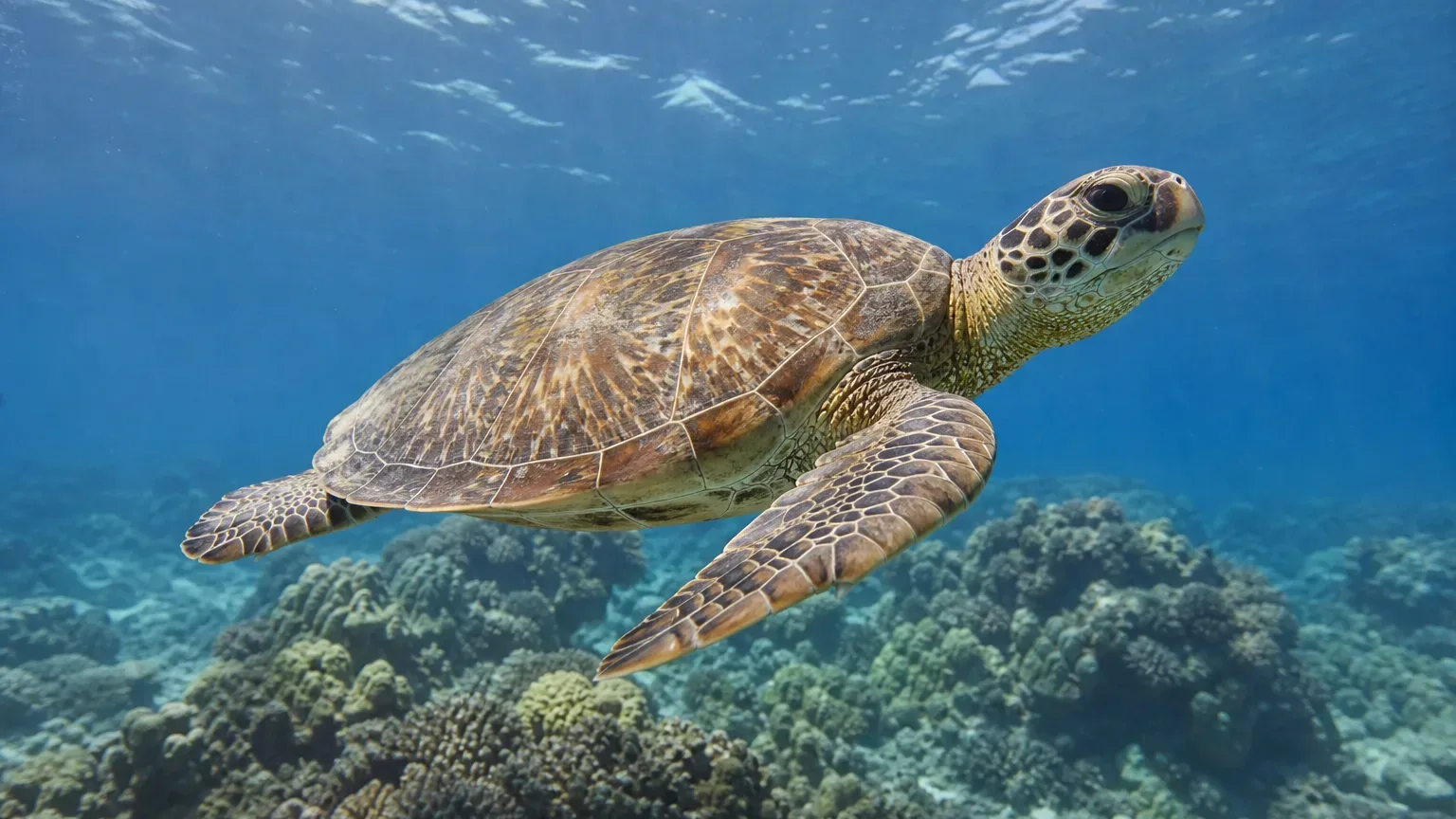
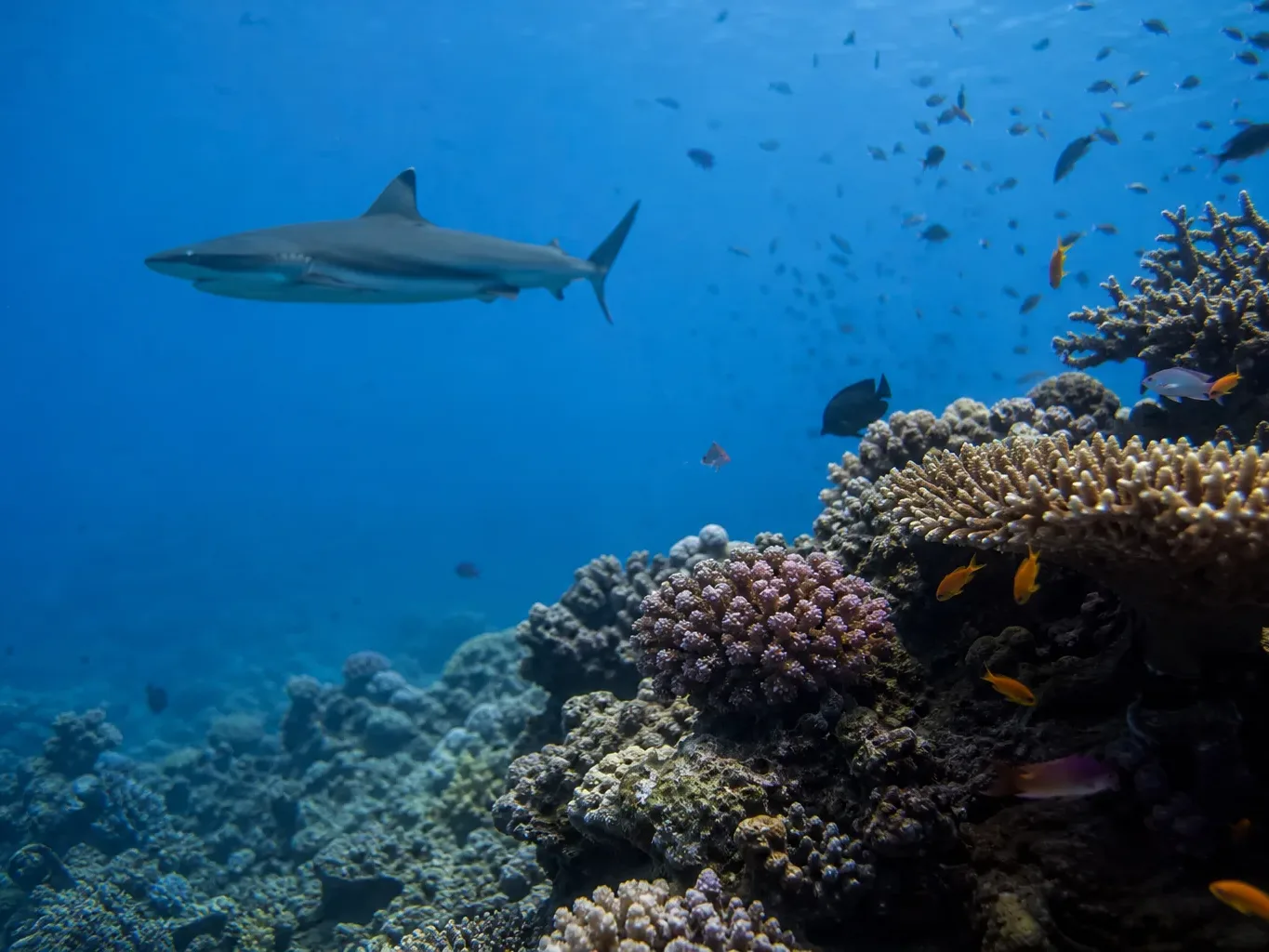
The world's clearest, warmest seas sit within the tropical belt, where year-round water temperatures of 26–30°C support the coral reefs and marine ecosystems that snorkellers and divers travel thousands of miles to see. Visibility in these waters regularly reaches 15–30 metres, making it easy to spot reef sharks, manta rays, sea turtles, and vast schools of technicolour fish without any specialist training. The combination of warm water and high visibility is precisely why tropical destinations dominate every serious diver's wish list. Even a beginner with a mask and fins can experience something genuinely remarkable.
Most of these destinations fall more than five hours from the UK, which classifies them as long-haul. Return flights typically cost £400–£900 per person in economy, and most travellers find a trip of 10–14 nights makes the journey worthwhile. UK citizens can visit the majority of featured destinations without a visa or on a visa-on-arrival basis, though you should always verify entry requirements with official government sources before booking. Always check the latest FCDO travel advice before confirming any trip.
The Maldives - A Blueprint for Tropical Diving
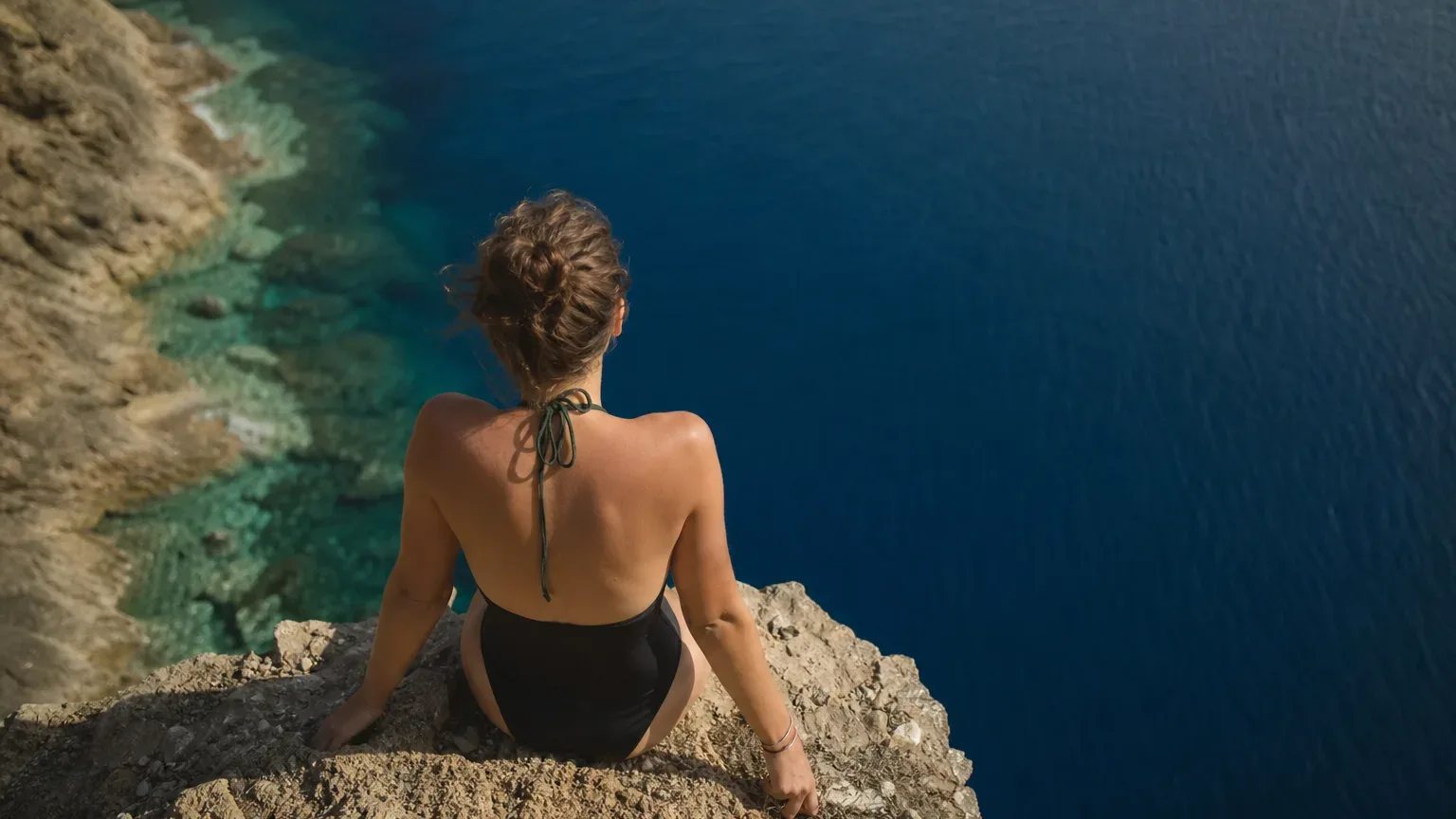
The Maldives sits in the Indian Ocean roughly 500 kilometres south of Sri Lanka, built from 26 atolls and more than 1,000 coral islands. Each atoll contains sheltered lagoons ideal for snorkelling and steep outer walls that satisfy experienced divers. Manta rays gather at cleaning stations in the North Malé Atoll between May and November, while whale sharks pass through South Ari Atoll throughout the year. The sheer density of marine life means almost any entry point into the water produces something memorable.
Accommodation here skews toward the luxury end. Overwater bungalow resorts typically run £300–£700 per person per night, which often includes guided dives and snorkel excursions. Budget travellers can base themselves on local islands such as Maafushi, where guesthouses and dive operators undercut resort pricing significantly.
The Great Barrier Reef and Coral Sea - Australia's Underwater Continent
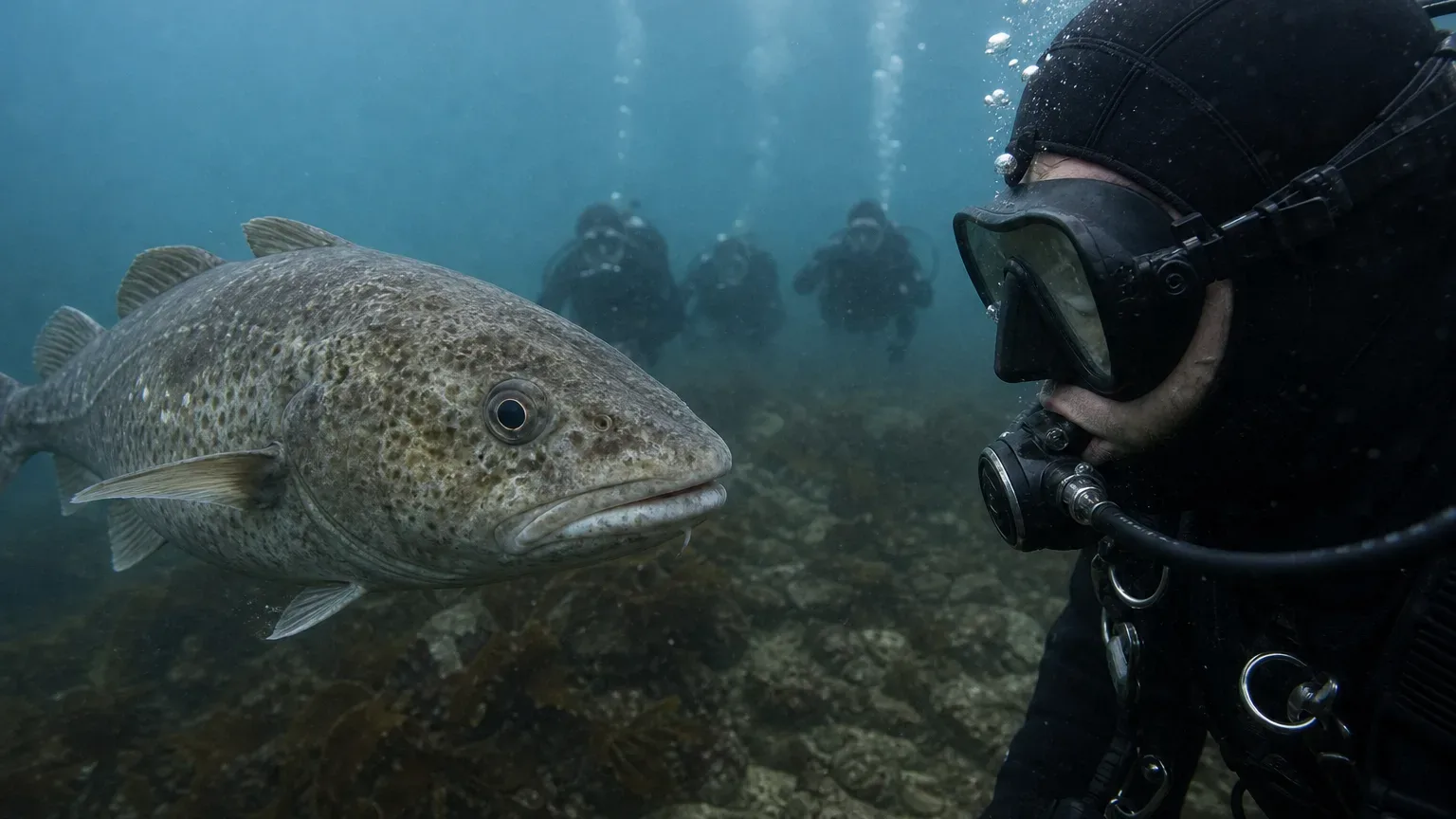
The Great Barrier Reef stretches more than 2,300 kilometres along Australia's Queensland coast, housing over 1,500 species of fish and 4,000 types of mollusc. Cairns and Port Douglas are the main gateway towns, with day boats reaching the outer reef in around 90 minutes. Cod Hole on Ribbon Reef No. 10 is a celebrated dive site where potato cod, some exceeding a metre in length, approach divers closely enough to inspect your equipment.
The Coral Sea beyond the outer reef offers even more dramatic walls and passages.
The reef faces well-documented pressure from rising sea temperatures and coral bleaching events, but significant sections remain in excellent condition. Dive operators in Cairns run conservation briefings as standard, so visitors leave with a realistic picture of both the beauty and the fragility.
Southeast Asia's Coral Triangle - Three Countries, One Hotspot
Indonesia
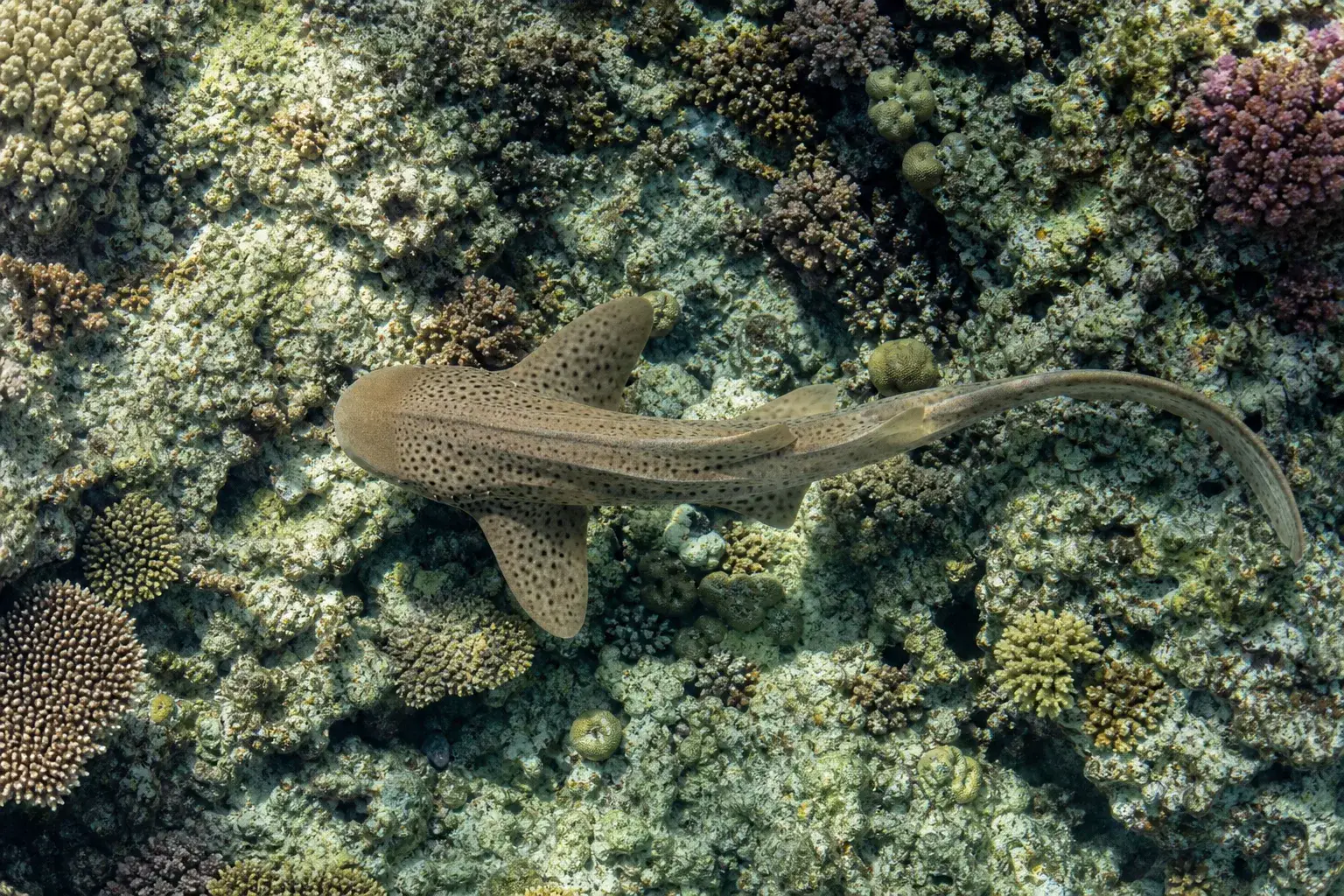
Raja Ampat in West Papua holds the highest recorded marine biodiversity on the planet. More than 600 coral species and 1,700 fish species have been documented in its waters. Visibility sits comfortably at 15–30 metres across most sites, and diving here regularly produces encounters with wobbegong sharks, pygmy seahorses, and walking sharks found nowhere else. Liveaboard trips departing from Sorong cover the archipelago's main dive regions across 7–10 nights.
Philippines
Tubbataha Reef National Park in the Sulu Sea is a UNESCO World Heritage Site accessible only by liveaboard from Puerto Princesa. It draws serious divers after grey reef sharks, hammerheads, and manta rays between March and June. Apo Island near Dumaguete is a more accessible alternative, reachable by outrigger boat, with resident sea turtle populations that have recovered substantially since local fishing restrictions took effect decades ago.
Malaysia
Sipadan Island off the coast of Sabah ranks among the most frequently cited dive sites in the Asia-Pacific region. The island rises from a 600-metre deep-sea column, creating walls covered in hard and soft corals. Barracuda Point produces dramatic tornadoes of chevron barracuda, and the turtle population here is genuinely extraordinary. Access is controlled by a daily permit system, so book through a licensed dive resort at least three months ahead.
The Caribbean - Wrecks, Walls, and Warm Shallows
The Caribbean offers some of the most diverse diving terrain in the world, from shallow reef gardens perfect for first-time snorkellers to advanced wreck dives requiring buoyancy control and navigation skills. The water temperature holds at 26–30°C through most of the year, dropping fractionally in January and February without ever becoming uncomfortable in a 3mm wetsuit.
Belize hosts a barrier reef that is the second largest in the world, running 300 kilometres along its coastline. The Blue Hole, a circular marine sinkhole roughly 300 metres wide, attracts divers keen to descend to around 40 metres and encounter stalactites formed during the last ice age. Caribbean reef sharks patrol the rim regularly. The Cayman Islands offer purpose-sunk wrecks, including the Kittiwake, a 76-metre US Navy submarine rescue vessel intentionally scuttled in 2011 to create an artificial reef.
All-inclusive resorts across the Caribbean mid-range tier cost £150–£300 per person per night based on two adults sharing, and many include introductory snorkel sessions in that price. Dive packages are typically sold separately.
Cheapest Tropical Diving Destinations
The most affordable tropical diving is consistently found in Southeast Asia, with Indonesia, the Philippines, and Thailand offering the strongest value. In Koh Tao, Thailand, a PADI Open Water course can be completed for under £250, and fun dives run at a fraction of what the same dive costs in the Maldives or the Cayman Islands. Budget hotels in the region cost £40–£90 per room per night, and local restaurants keep daily food costs low.
Indonesia's Lombok and the Gili Islands present a similar picture: affordable dive operators, warm water year-round, and turtle encounters on most dives. The Philippines island of Malapascua, known for thresher shark sightings at Monad Shoal, caters to divers on tight budgets without compromising on the quality of the marine environment. Booking flights 3–6 months ahead of your intended travel dates gives you the best chance of finding economy seats in the lower part of the £400–£900 return range from the UK.
Tropical Islands That Do Both - Snorkelling and Diving in One Trip
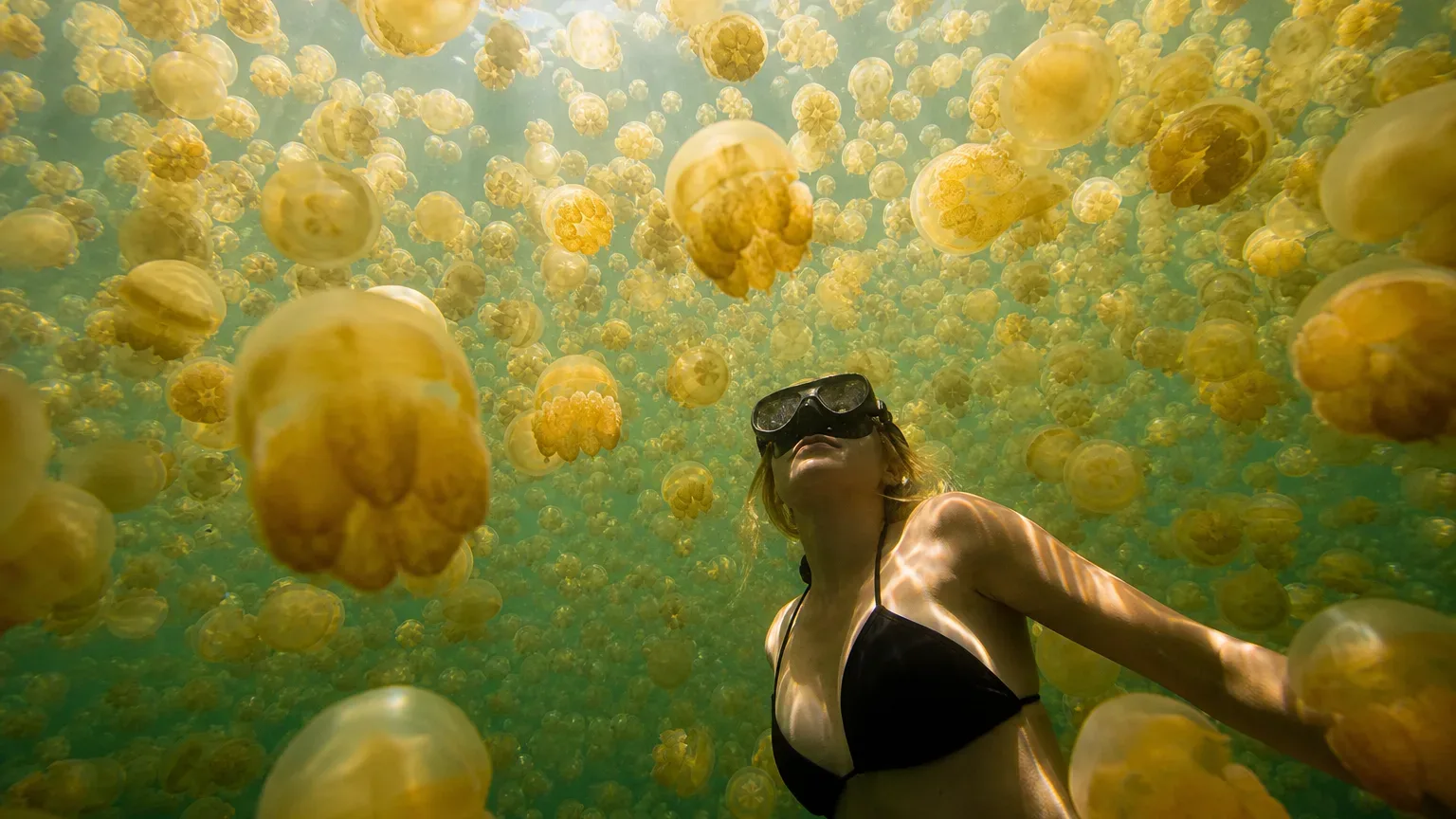
Some destinations reward different skill levels within a single visit. The Maldives, Belize, the Gili Islands, and Palau all offer shallow lagoons for snorkellers and deeper sites for certified divers, meaning mixed-ability groups can explore the same reef from different depths. Palau in Micronesia is particularly notable for Jellyfish Lake, where millions of golden jellyfish, having lost their sting through evolution in an isolated environment, allow swimmers to move freely among them. Its outer walls host bumphead parrotfish in schools that few other dive destinations can match.
Picking a destination that works for multiple experience levels is especially practical for families or groups where not everyone holds a dive certification. A few afternoons of snorkelling over a house reef can also be a natural lead-in to completing an introductory dive course, with the best tropical operators offering beginner programmes that require no prior experience at all.
Frequently Asked Questions
What Are the Best Snorkelling Destinations in the World?
The Maldives, the Great Barrier Reef in Australia, Raja Ampat in Indonesia, and the Caribbean reefs around Belize and the Cayman Islands consistently rank among the best. All offer water temperatures of 26–30°C and visibility of 15–30 metres, with shallow lagoons and reef gardens accessible to complete beginners.
What Are the Best Diving Destinations in the Tropics?
Sipadan in Malaysia, Tubbataha Reef in the Philippines, Palau in Micronesia, and the Blue Hole in Belize are among the most celebrated tropical dive sites. The Maldives and the Great Barrier Reef cater to all levels, while Raja Ampat in Indonesia holds the greatest recorded marine biodiversity on the planet.
Which Tropical Islands Are Best for Both Snorkelling and Diving?
The Gili Islands in Indonesia, the Maldives, Belize's Cayes, and Palau offer shallow-water snorkelling and deeper dive sites in the same location. This makes them ideal for mixed groups where some travellers hold dive certifications and others prefer to stay closer to the surface.
What Are the Cheapest Tropical Diving Destinations?
Koh Tao in Thailand, the Gili Islands in Indonesia, Malapascua in the Philippines, and Lombok are the most affordable options. Dive courses and fun dives cost a fraction of Caribbean or Maldivian prices, and budget accommodation in the region runs £40–£90 per room per night. Economy flights from the UK start from around £400 return if booked 3–6 months in advance.
When Is the Best Time to Visit Tropical Diving Destinations?
Conditions vary by region, but most tropical dive destinations offer good visibility and calm seas during their respective dry seasons. The Maldives is excellent October to April, the Caribbean peaks December to April, and Southeast Asia's best conditions depend on which coast you visit. Water temperatures hold at 26–30°C year-round across most tropical sites, so the season mainly affects surface weather and visibility rather than water comfort.