Hidden Beach Destinations in Europe
Europe's most photographed beaches, Santorini's caldera coves and the Costa del Sol's packed promenades, attract millions of visitors every summer. Yet a short detour from the tourist trail reveals coastlines that are quieter, cheaper, and often more striking. Tenerife, for instance, is one of those hidden beach destinations in Europe that rewards visitors who look beyond the resort strips, and practical guidance on visiting in the cooler months is gathered at https://whereishot.co.uk/europe/spain/tenerife/february/. These are the beaches that regulars guard quietly, mentioned between friends rather than broadcast on travel feeds.
Why Lesser-Known Coasts Reward the Effort
Crowded resorts push up prices across the board. Hotels, restaurants, and sun loungers all carry a premium when demand is predictable. Choosing a destination just outside the mainstream means better value, more space on the sand, and a far stronger sense of place.
Short-haul flights from the UK to southern Europe typically cost £80–£250 return per person in economy, excluding luggage. That budget is more than enough to reach several of the destinations below. A trip of 7–10 nights is a comfortable length for most short-haul beach holidays, giving you time to explore beyond one or two spots.

Pelion Peninsula, Greece
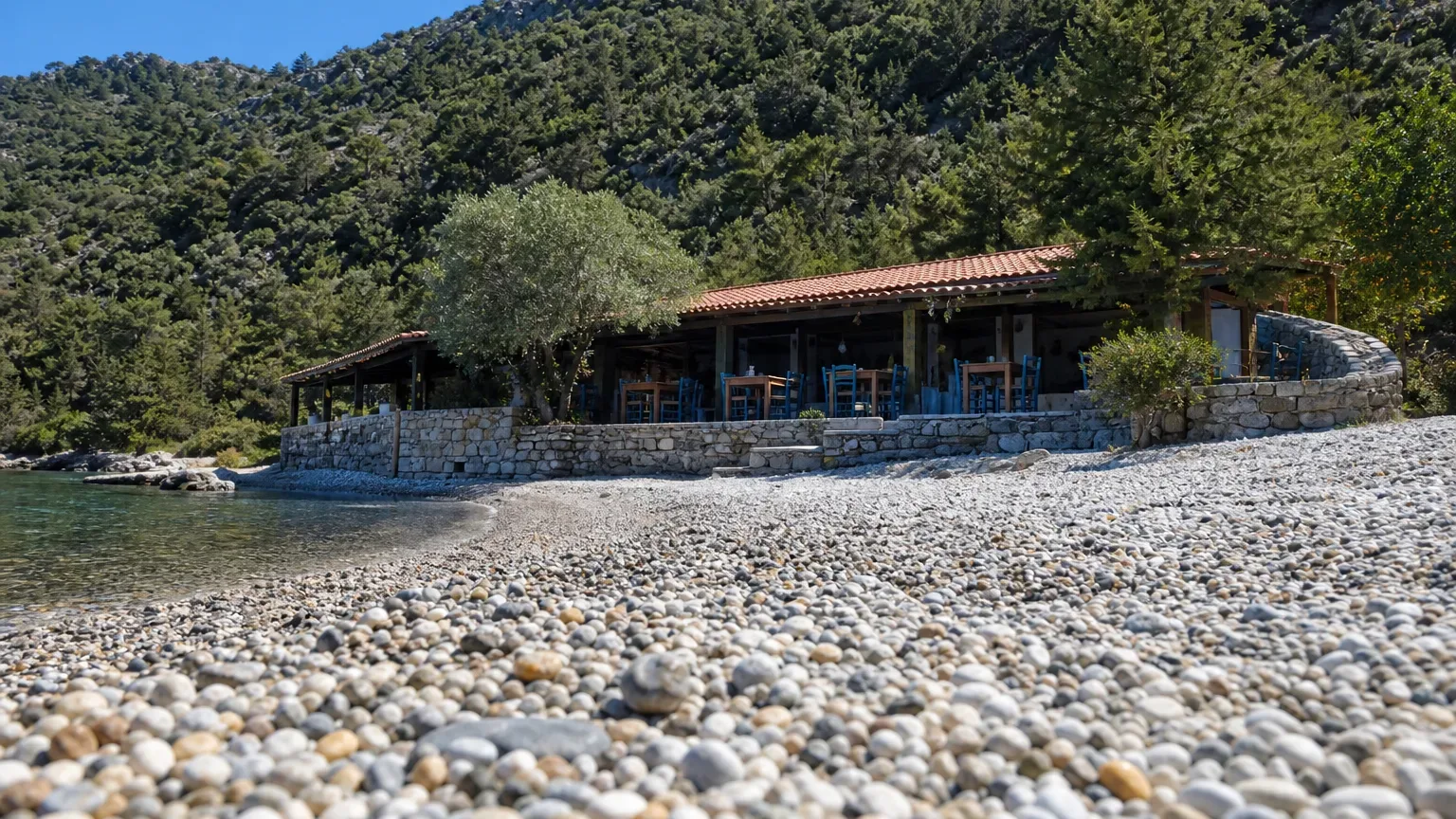
Most visitors to Greece aim for the Aegean islands. The Pelion Peninsula, curling into the sea south of Thessaloniki, is a different world. Forested hills drop steeply to small pebble coves, and traditional stone villages sit above beaches that see a fraction of the island crowds.
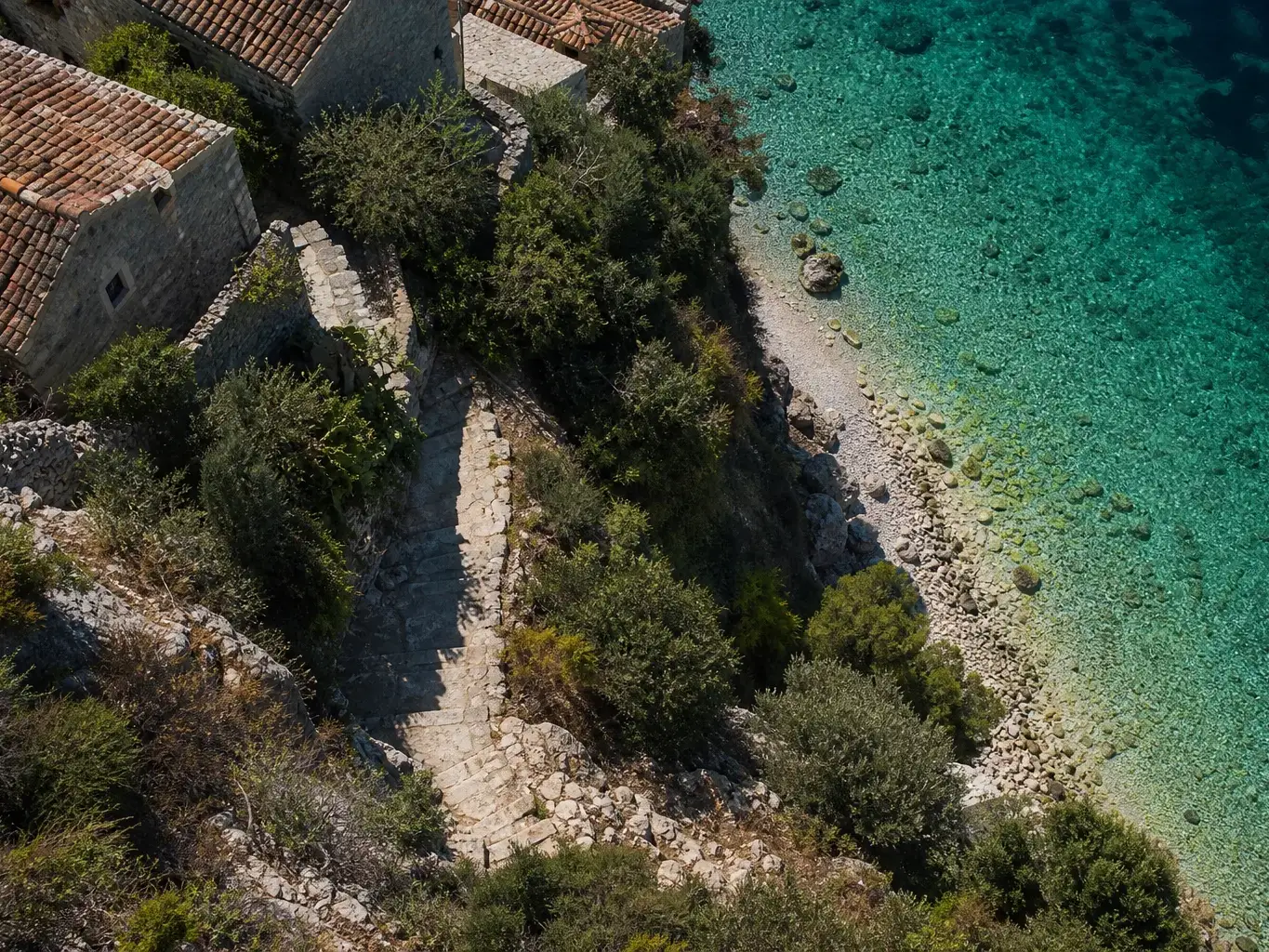
Damouchari is one of the finest of these coves, a tiny harbour with clear water and a single taverna. Mylopotamos, on the eastern side of the peninsula, involves a stepped path down through trees, which keeps the numbers manageable. Sea temperatures here sit around 26–30°C from mid-July through September.
Comporta, Portugal
The Algarve handles enormous visitor volumes every year. Comporta, roughly an hour south of Lisbon on the Setúbal Peninsula, offers a very different experience: long Atlantic beaches, pine and eucalyptus scrub, and a village that feels genuinely unhurried.
What Makes It Distinct
The beaches here stretch for kilometres with little development behind them. The water is Atlantic rather than Mediterranean, so it is cooler and carries a stronger swell, which suits body boarders and those who prefer their swims to feel invigorating. Rice paddies and flamingo sightings in the estuary make the landscape feel unlike anything else in western Europe.
Accommodation ranges from small guesthouses to a handful of design hotels. Mid-range rooms run £90–£200 per room per night, broadly in line with other European coastal destinations at this quality level.
Gozo, Malta
Malta itself draws large numbers of visitors. Its smaller sister island, Gozo, sits just 30 minutes away by ferry and moves at a noticeably slower pace. The Azure Window collapsed in 2017, but Gozo's underwater scenery remains among the best in the Mediterranean, with visibility commonly reaching 15–30 metres in clear conditions.
Ramla Bay is the island's main sandy beach, rust-red in colour and backed by low dunes. Xlendi Bay is a narrow inlet with a fishing village atmosphere and good snorkelling directly off the rocks. Neither gets anywhere near the volume of visitors that Malta's Mellieħa Bay attracts during peak season.

Losinj, Croatia
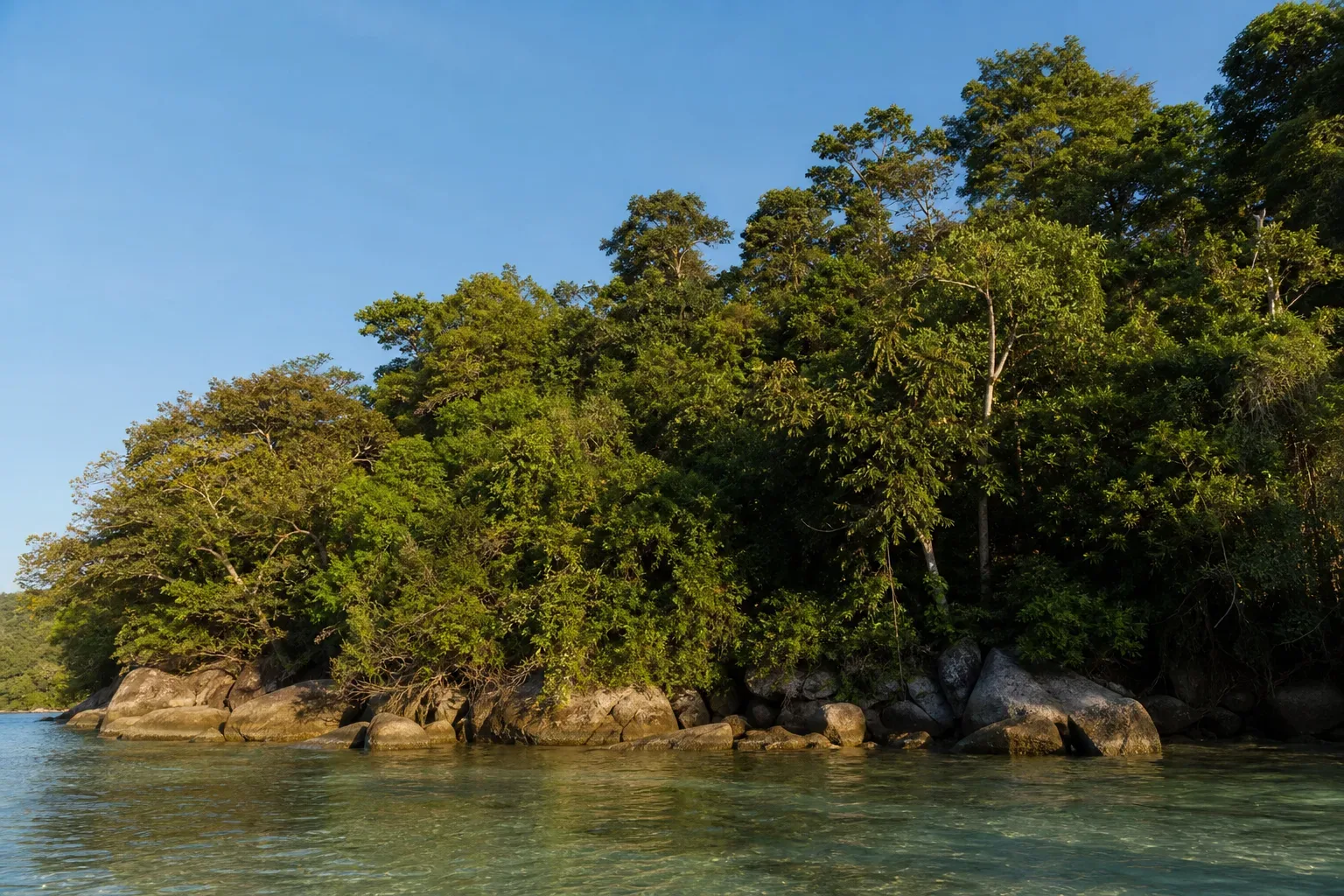
The Croatian coast is well-travelled, but most visitors concentrate on Dubrovnik, Split, and Hvar. Lošinj, an island in the Kvarner Gulf, sits far enough from those hubs to feel genuinely peaceful. The island has a long medical tourism history rooted in its unusually clean air, and the forested interior keeps temperatures slightly cooler than the Dalmatian coast in the height of summer.
Beaches Worth Seeking Out
Suncanica Beach near Mali Lošinj is a shallow, sheltered bay with calm water suited to families. Čikat Bay offers a shaded pine promenade and several small coves for swimming. Both are accessible without a hire car, which keeps logistics simple from the ferry port.
Flights from the UK to Rijeka or Pula are available with several budget carriers, keeping return fares comfortably within the £80–£250 range.
Kaş, Turkey
The Turkish Riviera's western tip around Kaş is where the Aegean meets the Mediterranean, and the water clarity here is exceptional. The town itself is built on steep streets above a small harbour, with a relaxed, slightly bohemian character that sets it apart from the resort strips further east.
Day boat trips reach sea caves, submerged ruins, and the Greek island of Meis, just a short crossing away. Diving is a serious draw: calm conditions and that 15–30 metre visibility window make even introductory dives worthwhile. Accommodation and restaurants remain noticeably good value compared with equivalent quality in Spain or Italy.
Marazion and the Lizard Peninsula, Cornwall
Not every hidden beach destination requires a flight. Cornwall's far southwest is familiar in name but offers more than most visitors discover. The Lizard Peninsula, England's southernmost point, contains coves that are genuinely hard to reach, which keeps them quiet even in August.
Kynance Cove and Cadgwith
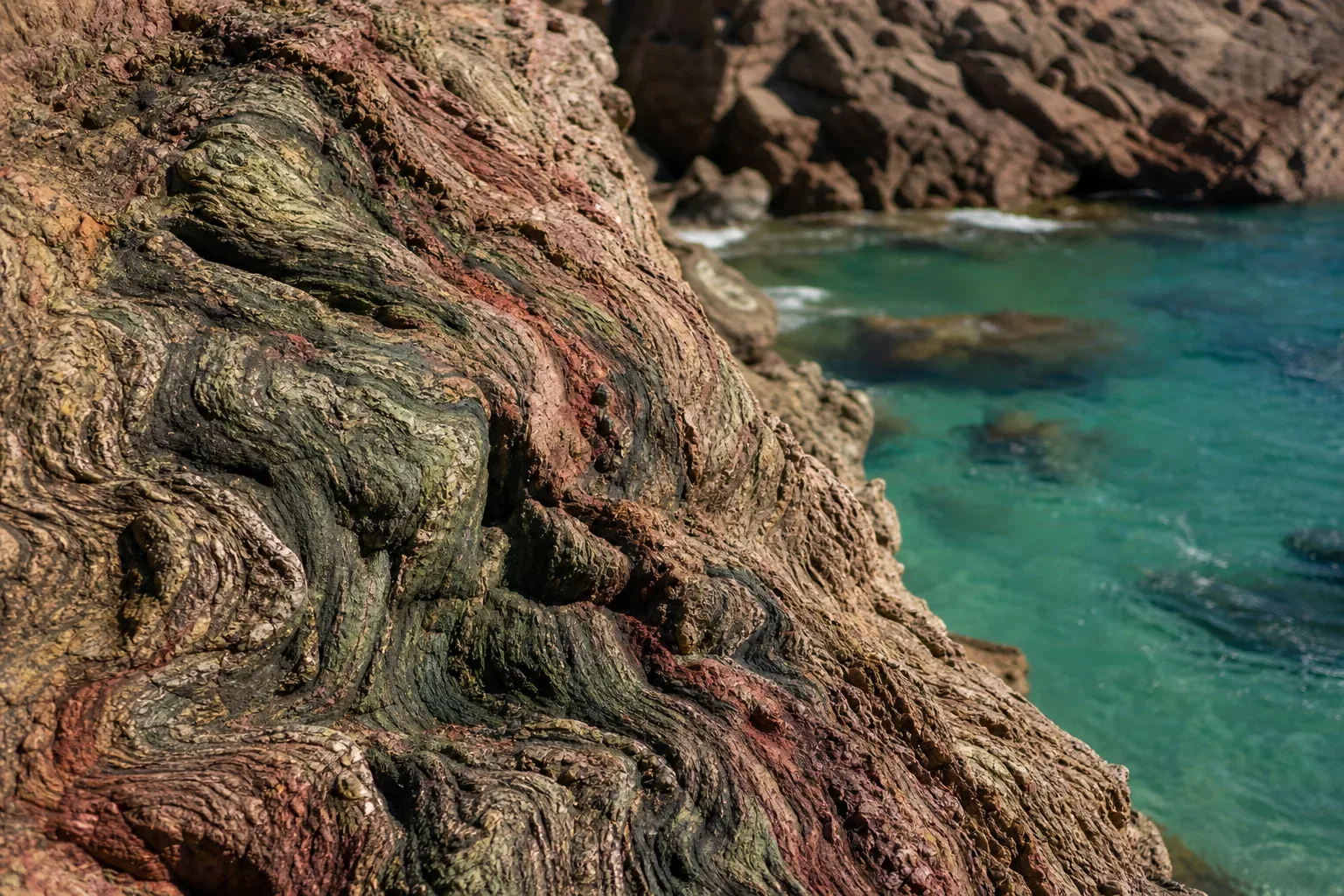
Kynance Cove is well-known in photographs but the walk down limits visitor numbers considerably. Serpentine rock formations in green, red, and black make the geology as interesting as the turquoise water. Cadgwith, a working fishing village two kilometres further, has a double cove separated by a grassy mound called the Todden, and a pub that has been there longer than anyone can reliably remember.
Cornwall's waters peak at around 17–19°C in late summer, which is bracing rather than tropical. A wetsuit extends comfort significantly for anyone planning to swim for longer than a few minutes.
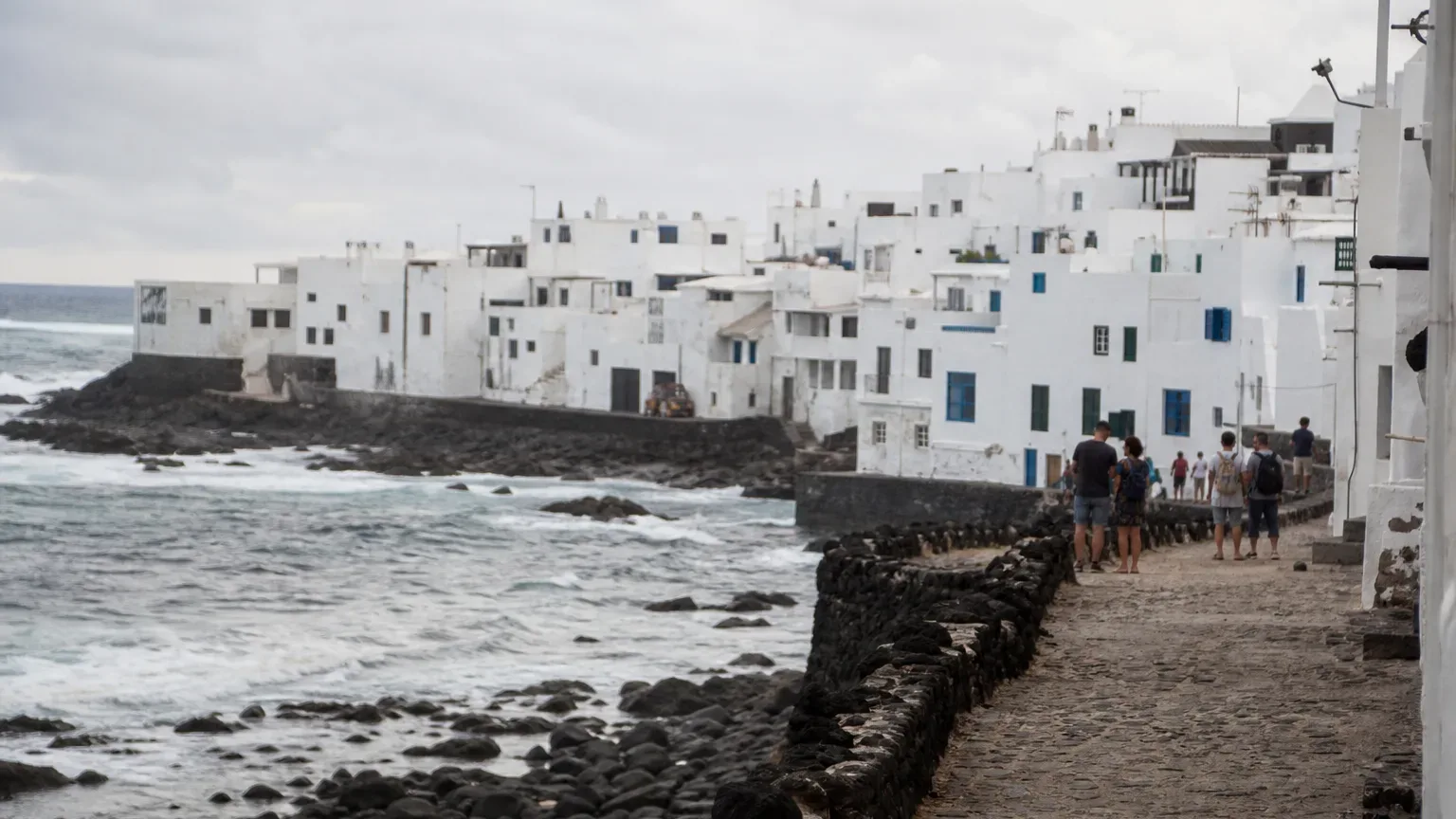
Ericeira, Portugal
Ericeira sits 40 kilometres north of Lisbon, and its main claim to fame among surfers is its World Surfing Reserve status, one of only a handful in the world. That reputation draws a specialist crowd, but the town and its coastline are genuinely welcoming to non-surfers as well.
The fishing village centre is compact and whitewashed. Beaches within walking distance of the town include Praia do Sul and Praia de São Sebastião, both good for swimming when the Atlantic swell is manageable. Fish restaurants along the seafront serve the day's catch at prices that feel unexpectedly reasonable for somewhere with this level of quality.
Booking Practically
For most of these destinations, booking 3–6 months in advance secures the best availability and price, particularly for summer travel. UK citizens can visit all of the European destinations listed here without a visa or on a visa-on-arrival basis, though entry requirements can change. Always verify current requirements before travel.
The UK Foreign, Commonwealth and Development Office (FCDO) publishes destination-specific travel advice that covers safety, health requirements, and local conditions. Checking it before booking is straightforward and takes about five minutes, time well spent before committing to any itinerary.
Frequently Asked Questions
Lesser Known Beach Destinations Europe - Which Are Worth the Trip?
Several stand out for different reasons. Comporta in Portugal offers long Atlantic beaches with minimal development. Gozo in Malta combines history with excellent snorkelling visibility of 15–30 metres. Lošinj in Croatia is quieter than the Dalmatian coast while remaining easy to reach. Kaş in Turkey delivers exceptional water clarity and good value.
The Lizard Peninsula in Cornwall is a strong option if you prefer to stay in the UK.
How Much Does a Short-haul Beach Holiday in Europe Cost from the UK?
Budget flights on short-haul routes from the UK typically cost £80–£250 return per person in economy, excluding luggage. Mid-range hotel rooms at coastal destinations in Europe generally run £90–£200 per room per night. A 7–10 night trip is the typical length for a short-haul beach holiday, giving enough time to explore more than one beach or town.
When Is the Best Time to Visit Lesser-known European Beaches?
Late May to early June and September are often the best windows. Crowds are smaller than in July and August, prices tend to be lower, and temperatures across Mediterranean and Atlantic European destinations are warm enough for comfortable swimming. Sea temperatures in the Mediterranean reach their peak, around 26–30°C in tropical and eastern Mediterranean spots, from mid-July through September.
Do UK Passport Holders Need a Visa for European Beach Destinations?
UK citizens can visit the majority of featured European destinations without a visa or on a visa-on-arrival basis. However, entry requirements can change, so always verify current rules with official government sources before booking. The UK Foreign, Commonwealth and Development Office (FCDO) publishes up-to-date travel advice for every destination.
How Far in Advance Should I Book a Summer Beach Holiday in Europe?
Booking 3–6 months ahead is the recommended window for peak summer travel. This applies particularly to smaller, less-developed destinations where accommodation options are limited. Leaving it later risks paying higher prices and finding fewer choices, especially at popular departure airports during school holiday periods.