Top Caribbean Islands for a Beach Holiday
The Caribbean spans more than 7,000 islands, and the best Caribbean islands for beach holiday seekers are not all alike. Some offer powdery white sand and calm turquoise water. Others combine dramatic scenery with rich culture and outstanding food. Choosing the right island depends on what you want your days to look like once you get there.
Flights from the UK are long-haul, typically more than 5 hours, and economy return fares run from around £400 to £900 per person, excluding luggage. Budget at least 10–14 nights to make the journey worthwhile and to settle properly into island life. Always check the latest FCDO travel advice before booking, as entry requirements and conditions can change.
Barbados - Polished Beaches with Real Character
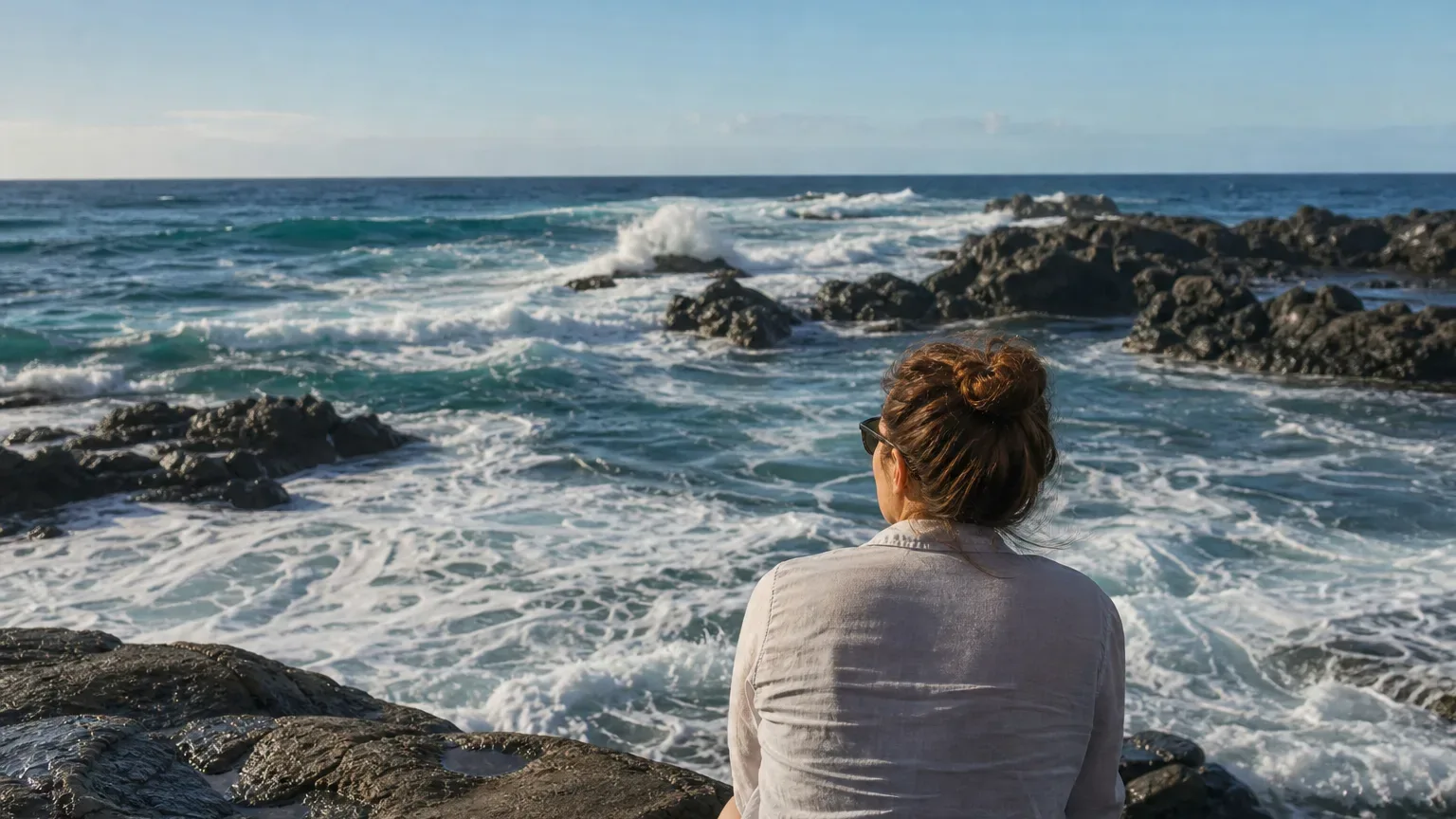
Barbados sits at the eastern edge of the Caribbean and offers a mix of beach types that few islands can match. The west coast, known as the Platinum Coast, has sheltered, calm water ideal for swimming. The east coast faces the Atlantic and draws surfers to Bathsheba's dramatic reef breaks.
Bridgetown, the capital, holds genuine historical weight as a UNESCO World Heritage Site. Rum shops, fish markets, and cricket culture give the island personality beyond the resorts. Mid-range all-inclusive accommodation typically runs £150–£300 per person per night based on two adults sharing, and luxury properties can reach £300–£700.
Saint Lucia - Volcanic Drama Meets Coral Sand
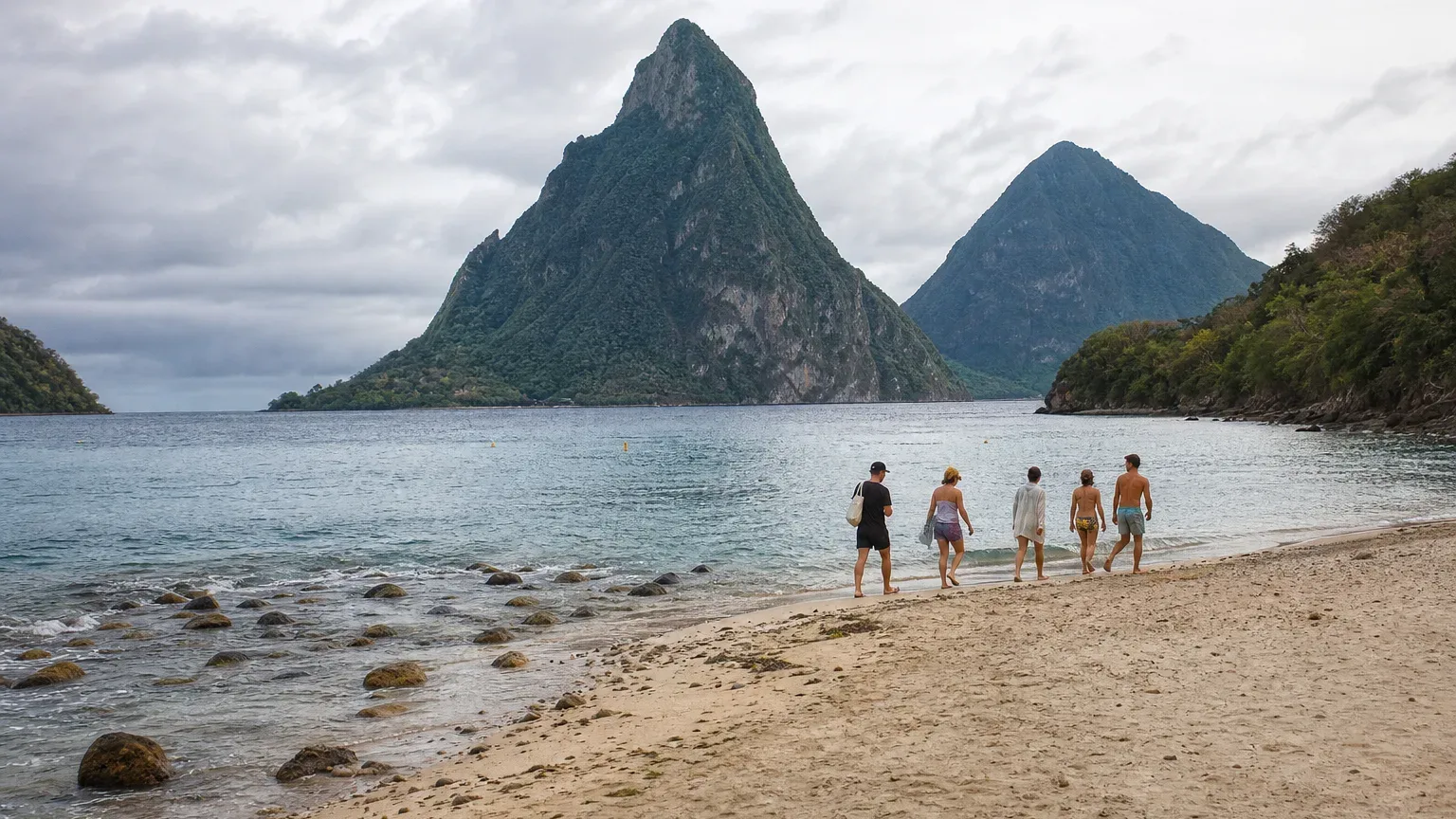
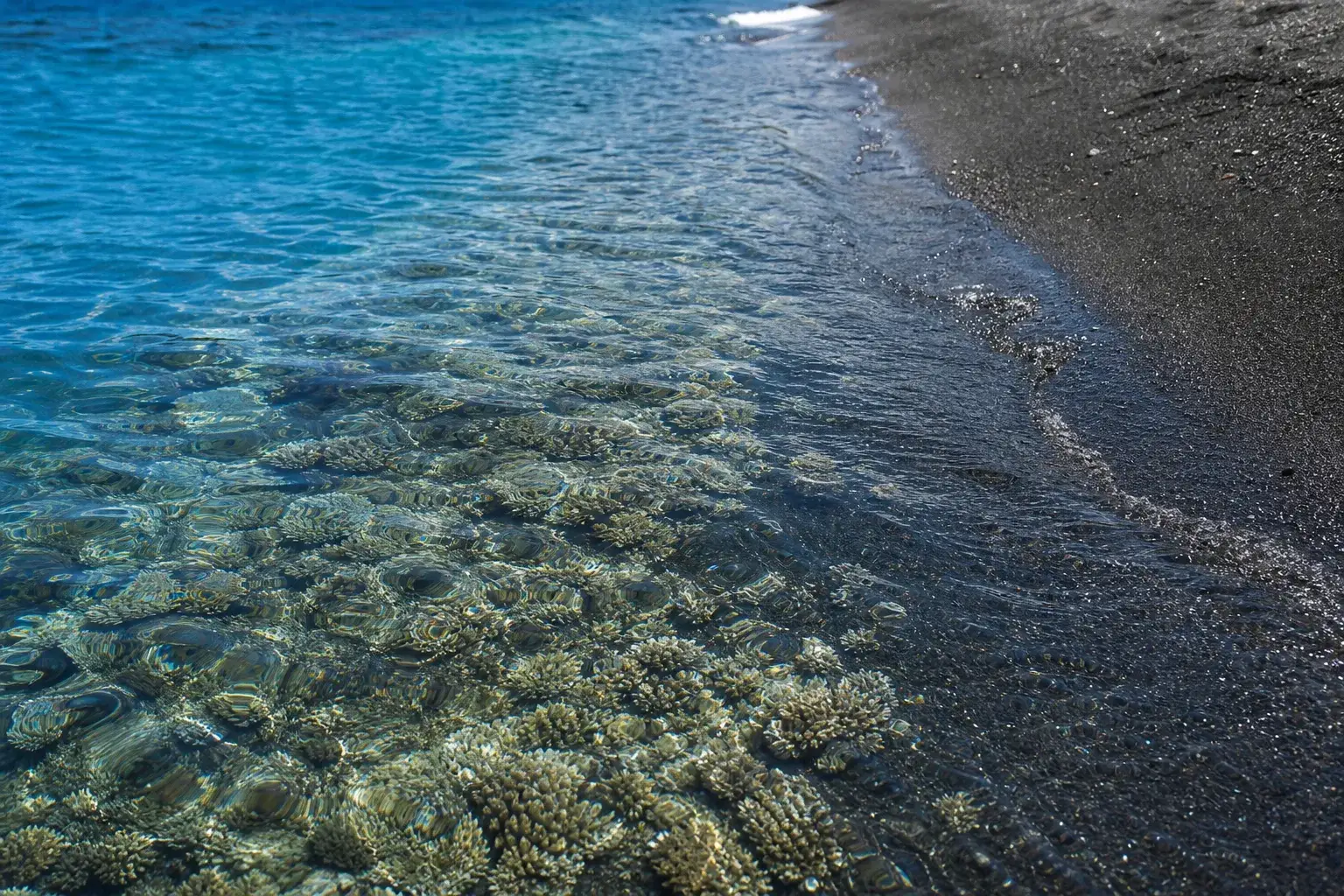
Saint Lucia's landscape is defined by the twin Piton peaks rising straight from the sea, and the beaches sit beneath this backdrop like something from a film set. Anse Chastanet and Sugar Beach are the standouts, with dark volcanic sand giving way to coral gardens just offshore. Snorkelling and diving visibility in these waters regularly reaches 15–30 metres.
The island suits couples and experienced travellers who want more than a sunlounger. Rainforest hikes, sulphur springs, and chocolate farm tours give the days structure and variety. Castries, the capital, has a lively market worth a morning of anyone's time.
Turks and Caicos - Where the Sand Is Actually White
Grace Bay Beach on Providenciales is frequently cited among the world's top-ranked beaches, and a visit confirms why. The sand is extraordinarily fine, the water a vivid shallow turquoise, and the reef just offshore supports consistent marine life. Snorkelling directly from the beach produces sightings of nurse sharks, rays, and sea turtles.
Turks and Caicos is quieter and more expensive than some Caribbean neighbours. Accommodation leans heavily towards luxury, with nightly costs at the upper end sitting firmly in the £300–£700 per person range. It rewards those who want refinement and seclusion rather than nightlife and crowds.
Jamaica - Music, Food, and Proper Beach Culture
Jamaica punches above its weight for character. Negril's Seven Mile Beach is genuinely one of the longest stretches of usable sand in the Caribbean, and the sunsets from the cliffs at Rick's Café have become a rite of passage. Ocho Rios and Montego Bay offer resort infrastructure alongside accessible excursions.
The food scene here is one of the Caribbean's most distinctive. Jerk chicken cooked over pimento wood, fresh escovitch fish, and patties from roadside vendors all outperform anything found inside a resort buffet. Sea temperatures year-round sit between 26–30°C, which means the water never needs a second thought.
Antigua - 365 Beaches and a Strong Sailing Tradition
Antigua's marketing claim of one beach per day of the year is an exaggeration, but the reality still impresses. Half Moon Bay and Dickenson Bay are the most consistent choices for swimming and facilities. The island's position in the eastern Caribbean means reliably steady trade winds, which brought the sailing crowd and kept them.
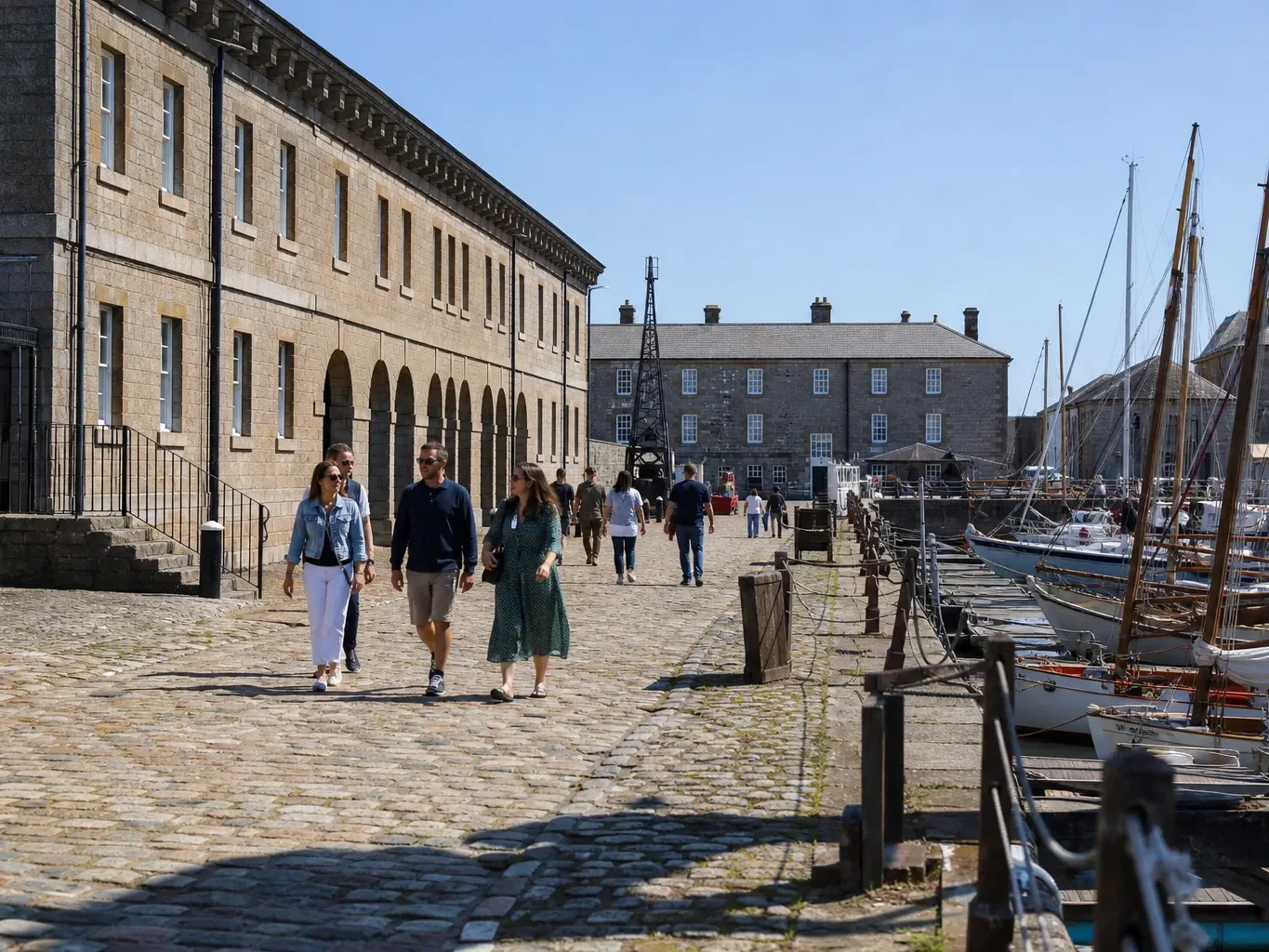
English Harbour and Nelson's Dockyard, a restored Georgian naval complex, give history enthusiasts a full half-day. The dockyard is a working marina today, and the mix of restored 18th-century stone buildings and modern yachts is genuinely unusual. Mid-range resort stays run £150–£300 per person per night.
The Dominican Republic - Value and Scale
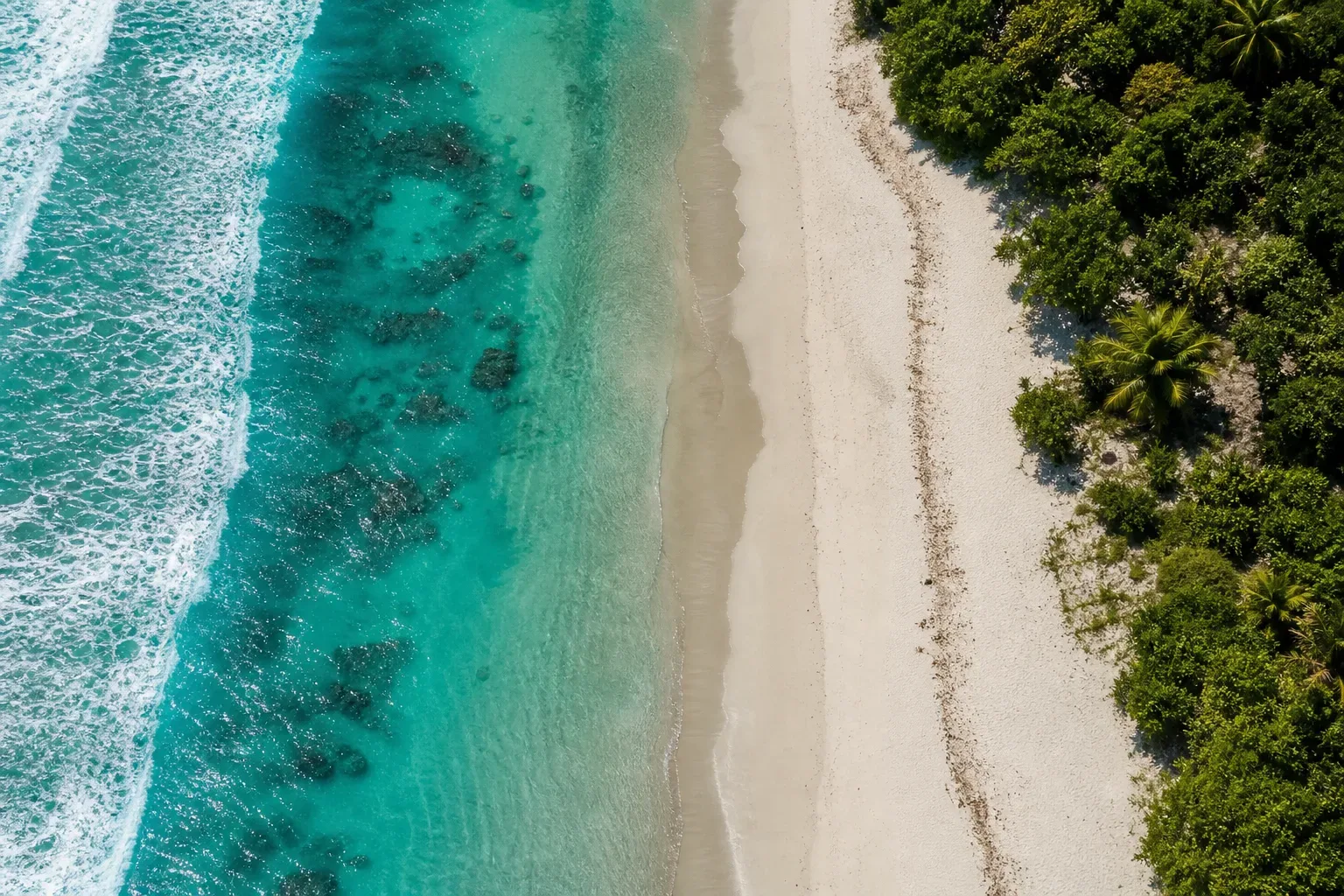
Punta Cana and the north coast around Puerto Plata offer some of the Caribbean's best all-inclusive value. Budget-tier resorts start at around £80–£150 per person per night, and the beach infrastructure here is mature and reliable. Bavaro Beach stretches for kilometres without interruption.
The Dominican Republic is the Caribbean's largest country, and the interior holds surprises including mountain towns, coffee farms, and the highest peak in the entire region. Santo Domingo's colonial zone is the oldest continuously inhabited European settlement in the Americas. That historical depth separates this island from pure resort destinations.
Saint Kitts and Nevis - Twin Islands, Low Crowds
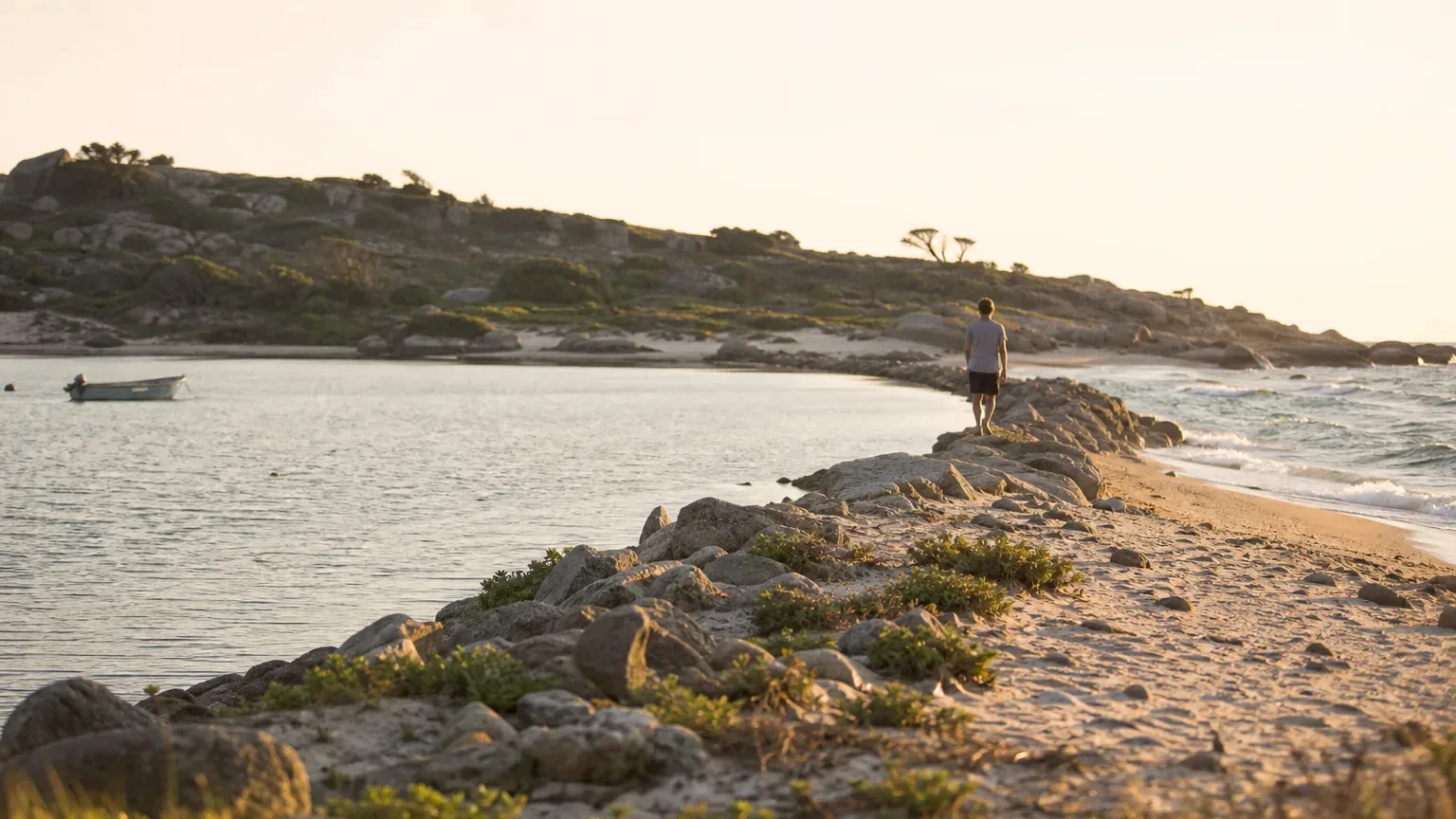
Saint Kitts and Nevis remain among the least crowded of the accessible Caribbean islands, and that alone makes them worth considering. Frigate Bay on Saint Kitts provides calm water on one side and a rougher Atlantic beach on the other, separated by a narrow strip of land. The contrast takes minutes to walk between.
Nevis is even quieter, a near-perfect cone of an island with beaches that see very little traffic. The restored plantation houses converted into small hotels give accommodation a specific character you will not find in a standard resort block. For travellers who find large resorts draining, this pairing is a practical alternative.
How to Choose Between Them
The right island depends on three honest questions: budget, activity preference, and how much you value seclusion. Turks and Caicos and Saint Lucia suit couples willing to spend more for elevated surroundings. Jamaica and the Dominican Republic deliver more personality and better value. Barbados sits comfortably between both camps.
Families with young children do well on islands with calm west-coast beaches and established resort infrastructure. Antigua, Barbados, and the Dominican Republic all tick that box reliably. Keen snorkellers and divers should weight Saint Lucia, Turks and Caicos, and Antigua's offshore sites more heavily in their thinking.
Book 3–6 months ahead for the best availability and pricing, particularly for travel between December and April, which is the peak Caribbean season. UK citizens can visit the majority of these destinations without a visa or on a visa-on-arrival basis, but always verify current entry requirements with official government sources before you travel.
Frequently Asked Questions
Best Caribbean Islands for Families
Barbados, Antigua, and the Dominican Republic are consistently strong choices for families. All three have calm, sheltered beaches suitable for children, well-developed resort infrastructure, and a range of excursions that work across different ages. Budget all-inclusive resorts in the Dominican Republic start at around £80–£150 per person per night, making it one of the more accessible options for larger family groups. Barbados adds cultural depth with its UNESCO-listed capital Bridgetown, giving older children and teenagers something engaging beyond the beach.
When Is the Best Time to Visit the Caribbean for a Beach Holiday?
December to April is the dry season and widely considered the best period to visit, with lower humidity, minimal rain, and reliable sunshine. This window also falls within what is known as the winter sun season, running October to March, which makes Caribbean travel especially popular for UK visitors escaping colder weather at home. July and August are also dry and warm but coincide with Atlantic hurricane season, which runs June to November. Booking 3–6 months in advance is recommended for peak-season travel to secure the best availability and pricing.
How Much Does a Caribbean Beach Holiday Cost from the UK?
Long-haul economy return flights from the UK to the Caribbean typically cost between £400 and £900 per person, excluding luggage. Accommodation costs vary significantly by island and property type. Budget all-inclusive resorts run approximately £80–£150 per person per night based on two adults sharing, mid-range properties sit at £150–£300, and luxury resorts in premium locations such as Turks and Caicos or Saint Lucia can reach £300–£700 per person per night. A trip of 10–14 nights is the typical duration for long-haul Caribbean holidays from the UK.
Which Caribbean Island Has the Clearest Water for Snorkelling?
Turks and Caicos and Saint Lucia both offer exceptional underwater visibility, regularly reaching 15–30 metres in clear conditions. Grace Bay in Turks and Caicos provides reef access directly from the beach, with consistent sightings of rays, nurse sharks, and turtles. Saint Lucia's Anse Chastanet beach sits above a marine park with healthy coral and good fish diversity. Antigua's offshore reefs and the northern coast of Barbados also produce strong snorkelling conditions, particularly during the calmer dry-season months.
Do UK Travellers Need a Visa to Visit the Caribbean?
UK citizens can visit the majority of popular Caribbean destinations without a visa or on a visa-on-arrival basis, including Barbados, Saint Lucia, Jamaica, Antigua, the Dominican Republic, Saint Kitts and Nevis, and Turks and Caicos. Conditions and requirements can change, so always verify current entry rules with official government sources before you book. The UK Foreign, Commonwealth and Development Office (FCDO) publishes up-to-date travel advice for every destination and should be your first reference point.