Sunny Winter Holiday Destinations
Why Winter Sun Makes Sense
British winters run from October to March, and for many people that means months of grey skies, short days and temperatures that rarely climb above single figures. Travelling abroad during this window is not a luxury reserved for retirees. Flights, resorts and city hotels all see competitive pricing outside the summer rush, and the destinations themselves are often quieter and more relaxed.
The key is matching the right destination to your budget, travel time and preferred climate. Some options sit within five hours of the UK, making them practical for a week away. Others require a longer-haul flight but reward you with genuinely tropical conditions.

Sunny Winter Destinations Europe - Short-Haul Choices That Deliver
Europe's warm-weather options in winter are concentrated in the south and on Atlantic archipelagos. Daytime air temperatures across these destinations typically reach 20–28°C between October and March, which is comfortably warm enough for beach days and outdoor dining.
Canary Islands
Lanzarote, Tenerife and Gran Canaria are the most consistent performers. All three sit in the Atlantic off the north-west African coast and benefit from a semi-arid climate that resists the cloud and rain affecting mainland Europe. Tenerife's southern resorts average well above 20°C even in December and January. Return flights from the UK run from around £80–£250 per person in economy, excluding luggage, and the journey takes roughly four hours from most British airports.
A typical stay runs 7–10 nights. All-inclusive resorts are widely available in the south of each island, starting at around £80–£150 per person per night based on two adults sharing. Mid-range options with meals, drinks and activities included sit in the £150–£300 range.
Madeira
Madeira is a greener, hillier alternative to the Canaries. The southern coast around Funchal stays warm through winter, and the island's volcanic terrain makes it a strong choice for walkers who want sun without sacrificing landscape. Hotels here tend toward the mid-range and boutique end of the market rather than the large resort model.
Morocco - Agadir and Marrakech
Agadir is the beach choice, with a long Atlantic-facing bay and air temperatures that sit comfortably in the lower range of the 20–28°C winter sun band during January and February. Marrakech offers a city-break experience at a lower cost than most European capitals. Budget hotels in Moroccan cities run £40–£90 per room per night, making a long weekend genuinely affordable.
Flights to both cities fall within the £80–£250 short-haul return bracket, and UK citizens can generally enter Morocco without a visa, though you should always check current FCDO travel advice before booking.
Long-Haul Destinations Worth the Flight Time
Flights of more than approximately five hours from the UK open up destinations that sit within the tropics, broadly defined as the band within 23.5 degrees north and south of the equator. These destinations offer year-round warmth and high humidity, with sea temperatures holding at 26–30°C. A typical long-haul beach holiday runs 10–14 nights, which gives you enough time to adjust to the time difference and genuinely relax.
Maldives
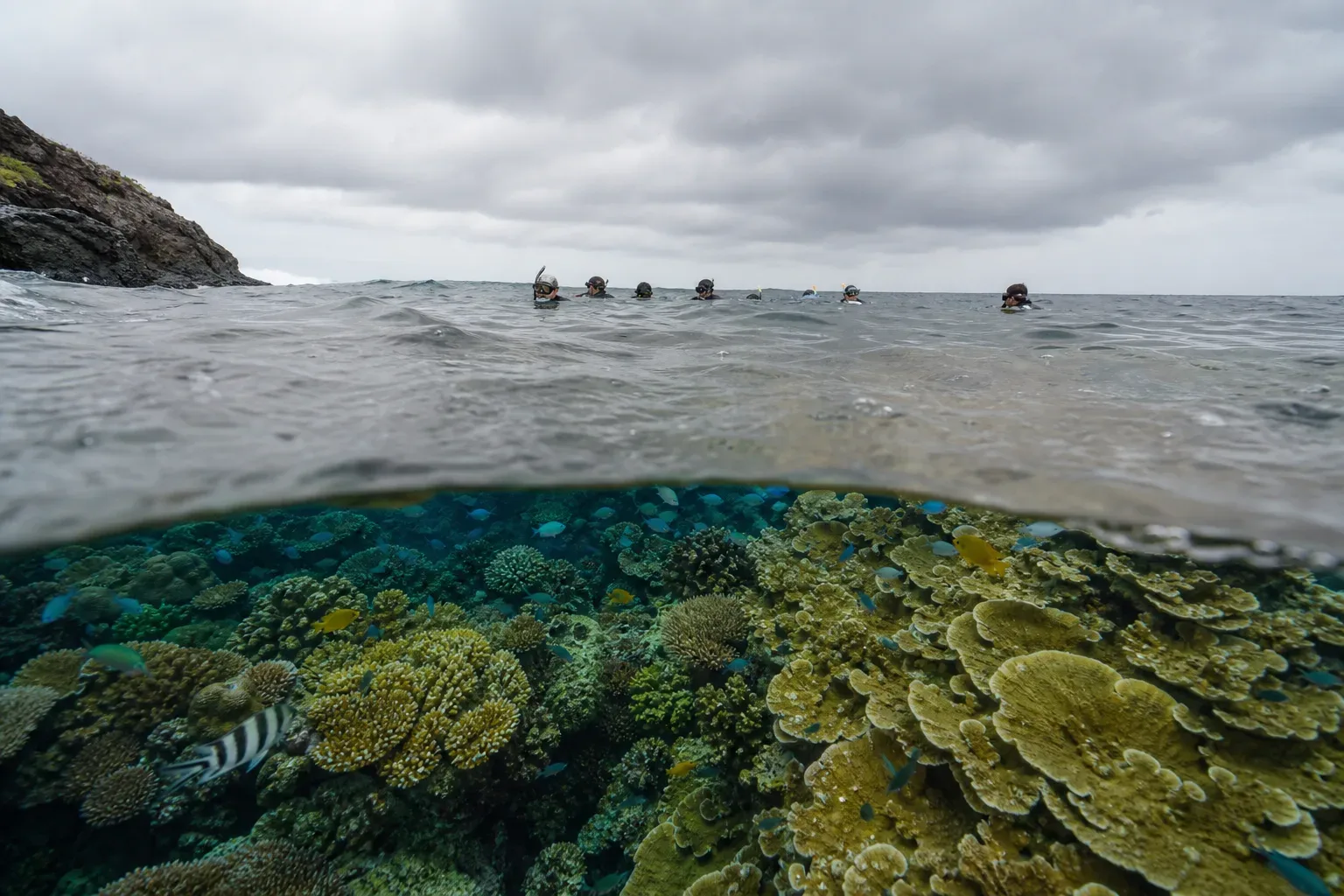
The Maldives sits squarely in the tropics and offers conditions that are hard to replicate elsewhere: overwater bungalows, reef snorkelling with visibility of 15–30 metres, and sea temperatures consistently in that 26–30°C range. It is one of the more expensive destinations, with luxury-tier all-inclusive resorts typically running £300–£700 per person per night. Budget and mid-range options do exist on local island stays away from the private resort model, though the Maldives is rarely a cheap trip.
Return flights from the UK cost roughly £400–£900 per person in economy, excluding luggage. Most UK passport holders can enter on a visa-on-arrival basis, but verifying this with official government sources before travel is always advisable.
Caribbean - Barbados, Jamaica and St Lucia
The Caribbean in winter sits in its dry season, which aligns neatly with the UK's worst months. Barbados and St Lucia are long-haul staples from British airports, with strong direct flight routes and a well-established tourism infrastructure. Jamaica appeals to those who want a wider mix of culture, music and beach in one trip.
All-inclusive resorts across the Caribbean mid-range tier run £150–£300 per person per night. Luxury properties, particularly in St Lucia's Soufrière area, push into the £300–£700 bracket. The sea is warm, clear and calm on leeward coasts, with that 15–30 metre underwater visibility making snorkelling and diving well worth doing.
Southeast Asia - Thailand and Vietnam
Thailand's winter season, running from November through February, brings dry skies and warm days to the Gulf of Thailand coast and islands like Koh Samui and Koh Tao. Vietnam's central and southern regions follow a similar pattern. Both countries offer excellent value: mid-range hotels in cities like Bangkok or Ho Chi Minh City run £90–£200 per room per night, while beach resorts on popular islands can be found at both the budget and luxury ends of the market.
Return flights from the UK sit in the £400–£900 economy range. The time difference is significant, around six to seven hours ahead of GMT, so building in a 10–14 night stay rather than a rushed week makes a practical difference to how much you enjoy the trip.
How to Time Your Booking
For any of the popular winter sun destinations, booking 3–6 months in advance gives the best combination of flight availability and resort pricing. Leaving it later in the season, say October for a January departure, often means restricted choice at the beach resorts and higher prices for the remaining availability.
School holidays push prices up sharply, particularly over Christmas and New Year. Travelling in January or February, after the festive peak, typically brings costs down by a meaningful amount and reduces crowds at the destination itself.
Choosing Between Short-Haul and Long-Haul
The right call depends on how much time you have and what kind of warmth you want. Short-haul destinations like the Canary Islands deliver reliable sunshine in under five hours and suit a 7–10 night trip without any jet lag to manage. Long-haul destinations require more of a commitment but give you genuinely tropical conditions, richer marine environments and, in many cases, a more dramatic change of scenery.
Budget is the other major factor. A week in Tenerife on an all-inclusive basis can cost significantly less than a fortnight in Thailand or the Maldives once flights and accommodation are combined. Neither is objectively better. The Canaries in January is a fine holiday; so is two weeks in Barbados during the dry season.
Always check the latest FCDO travel advice for your chosen destination before booking, and confirm visa requirements directly with the relevant embassy or official government source.
Frequently Asked Questions
Sunny Winter Destinations Europe - Which Are the Warmest?
The Canary Islands, particularly Tenerife, Lanzarote and Gran Canaria, are the most reliably warm European destinations in winter, with daytime air temperatures regularly in the 20–28°C range between October and March. Madeira and Morocco's Atlantic coast are close runners-up. All are reachable from the UK in under five hours, and return flights typically fall in the £80–£250 economy bracket.
When Is the Best Time to Book a Winter Sun Holiday?
Booking 3–6 months ahead gives you the widest choice of flights and resort availability at the best prices. For a January or February departure, that means booking in the July-to-October window. Travelling after the Christmas and New Year peak typically brings costs down and reduces crowds at popular destinations.
Do UK Citizens Need a Visa for Popular Winter Sun Destinations?
UK passport holders can visit the majority of featured destinations without a visa or on a visa-on-arrival basis, including Morocco, Thailand and the Maldives. Entry requirements can change, so always verify the current rules with the relevant embassy and check the latest FCDO travel advice before booking.
How Long Should a Winter Sun Holiday Be?
For short-haul destinations such as the Canary Islands or Morocco, 7–10 nights is the typical trip length and gives plenty of time to relax without excessive travel. Long-haul destinations like the Maldives, Caribbean and Southeast Asia work better over 10–14 nights, allowing time to adjust to time differences and make the most of the journey.
What Is the Water Temperature Like at Tropical Winter Sun Destinations?
Tropical destinations within roughly 23.5 degrees of the equator, such as the Maldives, Caribbean islands and Thailand, hold sea temperatures of 26–30°C year-round. Underwater visibility in these clear-water destinations typically ranges from 15–30 metres, making them excellent for snorkelling and diving throughout the winter season.