City Breaks in Dubai - What to Know Before You Go

Dubai rewards short visits well. The city is compact enough to cover its headline attractions in four or five days, yet varied enough that you rarely feel like you're ticking boxes. Temperatures, costs, and the sheer scale of the place can all surprise first-timers, so going in with accurate expectations makes a measurable difference.
When to Go
The single most important factor in planning a Dubai city break is timing. Between October and March, daytime highs sit comfortably in the low-to-mid 20s Celsius, making outdoor sightseeing and beach time genuinely pleasant. Summer months, particularly June through September, push temperatures above 40°C with high humidity. Flights and hotels are cheaper in summer, but the heat limits what you can do comfortably outdoors.
Dubai sits just inside the tropics, so even in its cooler season the water temperature stays around 26–28°C. That makes a quick dip at Jumeirah Beach or Kite Beach a realistic option throughout the winter sun season, which runs October to March.
Getting There
Dubai is a long-haul destination from the UK, with flight times of roughly 7 hours from London. Economy return fares typically fall between £400 and £900 per person, excluding hold luggage. Emirates, flydubai, British Airways, and Virgin Atlantic all serve Dubai from multiple UK airports, so comparing departure points is worth a few minutes of research.
Book at least 3–6 months ahead if you're travelling between November and February. That window covers the Dubai Shopping Festival and peak winter sun demand, and prices climb sharply as departure dates approach.
Where to Stay
Dubai's hotel market spans an enormous range. Budget-conscious travellers can find solid three-star accommodation in Deira or Bur Dubai for around £90–£200 per room per night. Mid-range options in areas like Dubai Marina or Downtown Dubai sit within the same broad bracket but lean toward the upper end, typically offering pool access, breakfast, and proximity to the Metro.
Luxury properties, including the iconic Atlantis The Palm and the Burj Al Arab, charge £200–£500 per room per night and often considerably more for premium categories. The investment buys private beach access, multiple restaurants, and service levels that justify the price for many travellers. Wherever you stay, check whether the hotel levy and municipality fee are included in the quoted rate, as these add a small but noticeable amount to the bill.
Which Area Is Best?
For a city break, Dubai Marina and Downtown Dubai are the most practical bases. Both are on the Metro's Red Line, within easy reach of the Dubai Mall, the Burj Khalifa, and the waterfront. Dubai Marina adds beach access and a walkable promenade. Deira is cheaper, more traditionally atmospheric, and well-connected, though it requires more travel time to the modern landmarks.

What to See and Do
The Burj Khalifa remains the centrepiece attraction. At the Atmosphere observation deck on level 148, visibility on a clear winter morning stretches for miles. Pre-booking tickets online saves both time and money. The Dubai Mall beneath it holds an indoor ski slope, a large aquarium, and more dining options than most visitors can process in a single trip.
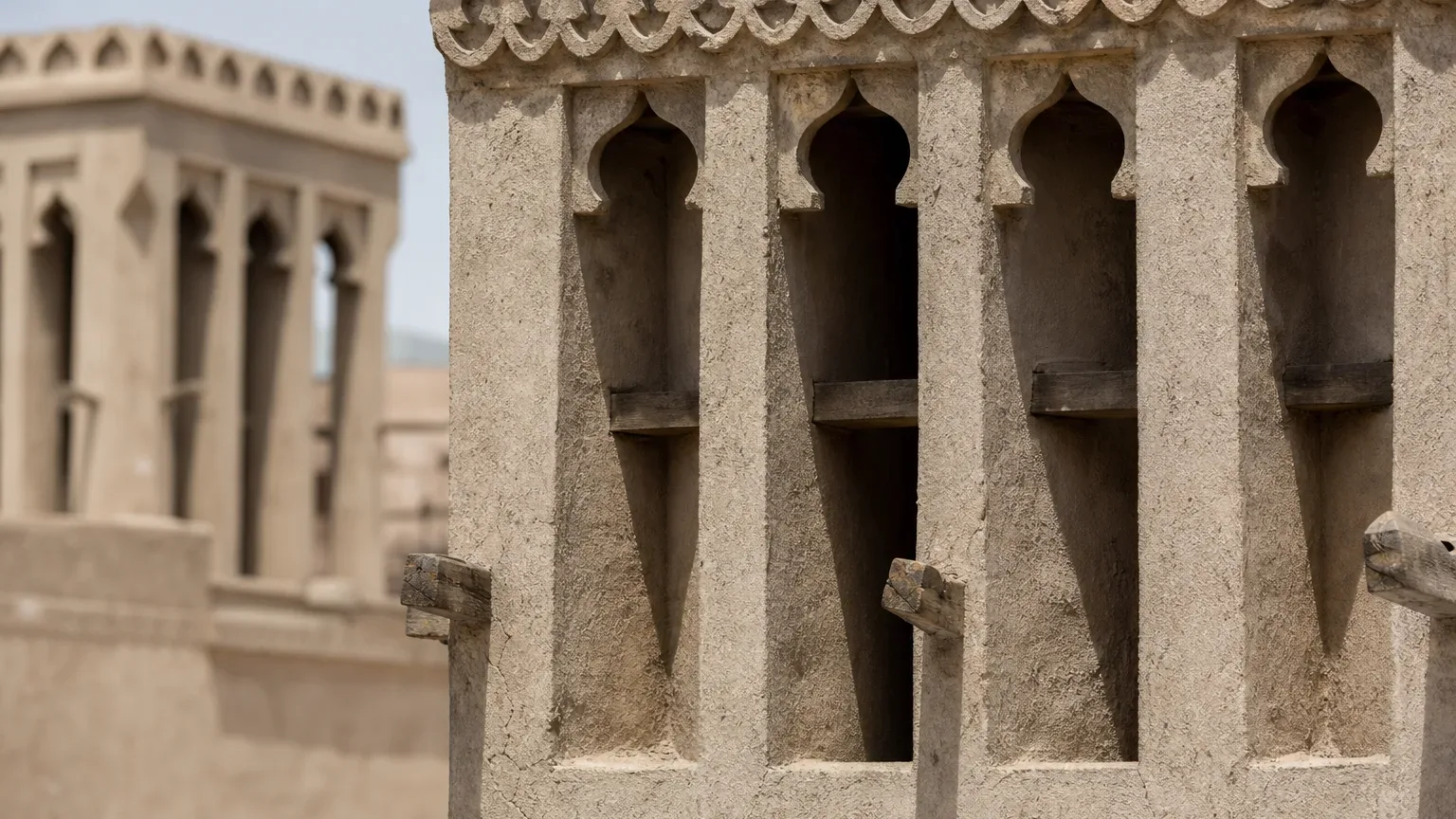
For contrast, spend half a day in the Al Fahidi Historical Neighbourhood. The wind-tower architecture and Dubai Museum sit within a 15-minute taxi ride of the modern skyline, yet feel entirely different in character. The Dubai Creek abra, a small wooden ferry, crosses the creek for a couple of dirhams and is one of the city's most atmospheric five minutes.
Desert safaris are available as full-day or evening excursions from most hotels. An evening trip typically includes dune bashing, camel riding, and a barbecue dinner in a Bedouin-style camp. These run most smoothly during the cooler months, when sitting outside in the evening is actually enjoyable.
A Practical Dubai City Break Itinerary
Four nights gives you enough time without feeling rushed. A workable framework looks like this:
- Day 1: Arrive, check in, explore the hotel area and waterfront at dusk. Dinner at Dubai Marina Walk.
- Day 2: Dubai Mall, Burj Khalifa at noon or sunset, Dubai Fountain show in the evening.
- Day 3: Morning at Al Fahidi and the Dubai Creek. Afternoon at the Gold and Spice Souks across the water. Optional evening desert safari.
- Day 4: Jumeirah Beach or Kite Beach in the morning. Afternoon at Palm Jumeirah and the Atlantis viewpoint. Rooftop dinner.
- Day 5: Flex day for shopping, a museum, or the Dubai Frame before departure.
Adjust based on your hotel location and flight times. The Metro covers the main corridor efficiently, and taxis are metered, plentiful, and relatively inexpensive by UK standards.

Costs to Budget For
Outside accommodation and flights, Dubai's costs vary widely depending on how you eat and drink. Alcohol is served in licensed hotel bars and restaurants but is taxed heavily. A beer at a hotel bar costs roughly £8–£12. Eating at local restaurants in Deira or Karama, however, is genuinely affordable, with a filling meal costing £5–£10 per person.
Major attractions add up. Burj Khalifa tickets start around £30 per person for the lower observation deck. Desert safaris range from £50 to £100 per person depending on duration and inclusions. Budgeting £60–£100 per person per day for activities, food, and transport is realistic for a comfortable mid-range visit, separate from accommodation.
The UAE dirham is pegged to the US dollar, so the exchange rate is stable and easy to calculate. Most places accept Visa and Mastercard, and contactless payment is widely available.
Entry Requirements and Practical Tips
UK citizens can enter the UAE without a pre-arranged visa for stays of up to 30 days, receiving a stamp on arrival. Always verify current entry requirements with the UAE embassy or UK government travel pages before booking, as rules can change. Checking the latest FCDO travel advice before departure is strongly recommended.
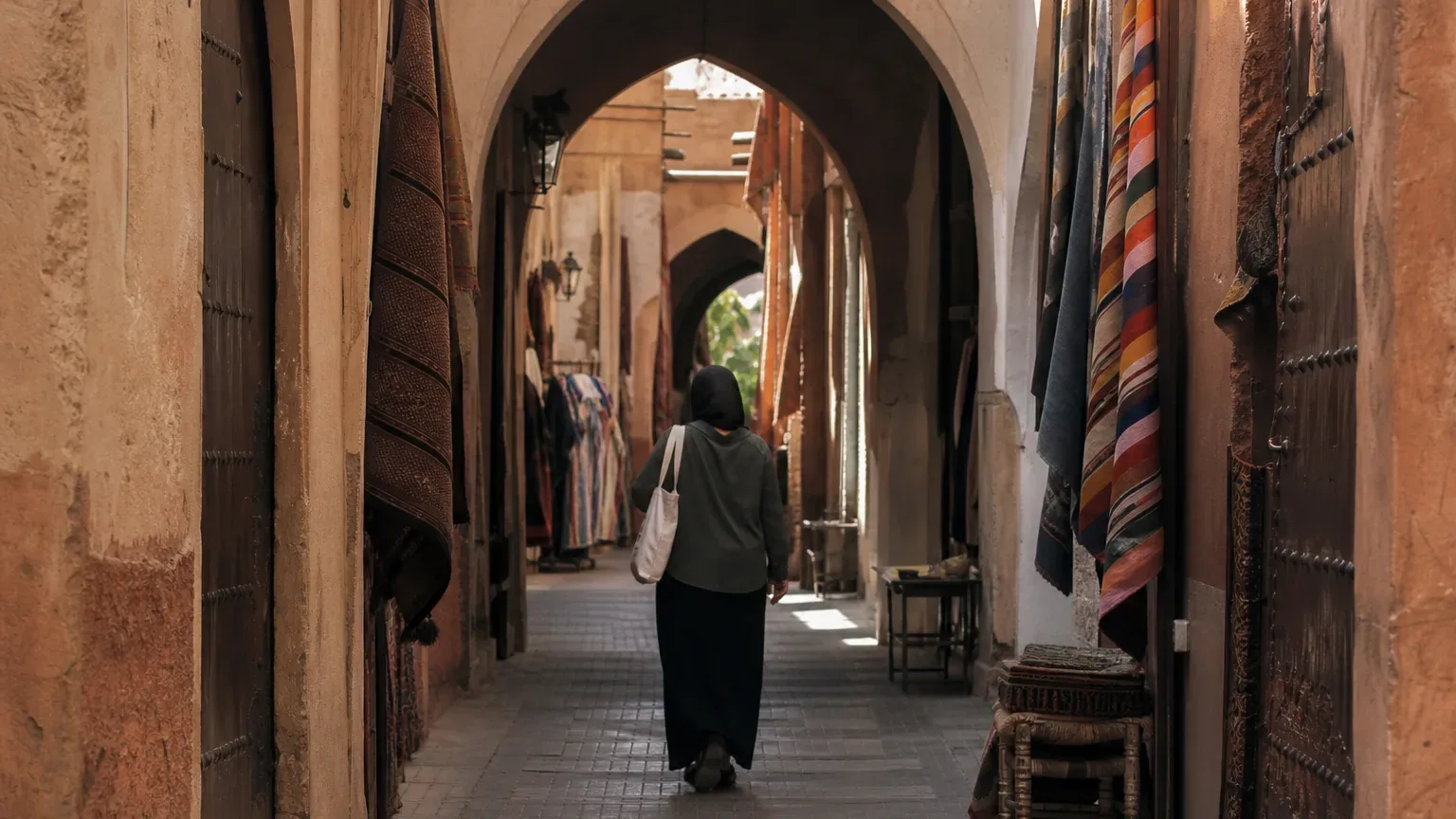
Dress codes apply in malls, souks, and religious sites. Shoulders and knees should be covered in these spaces. On the beach, normal swimwear is fine. Public displays of affection are discouraged, and local laws around alcohol consumption and behaviour in public differ from the UK.
Familiarise yourself with the basics before you arrive.
Dubai's tap water is technically safe but tastes heavily mineralised due to desalination. Bottled water is cheap and universally available. The city's infrastructure is modern and reliable, and English is spoken widely in hotels, restaurants, and retail.
Frequently Asked Questions
What Is a Good Dubai City Break Itinerary?
Four nights works well for a first visit. Spend day one settling in and exploring your base area. Day two covers the Burj Khalifa and Dubai Mall. Day three takes in the historic Al Fahidi district, Dubai Creek, and the souks, with an optional evening desert safari. Day four is best used at the beach and Palm Jumeirah.
Day five allows time for the Dubai Frame or last-minute shopping before departure.
How Much Does a City Break to Dubai Cost from the UK?
Flights typically cost £400–£900 return per person in economy, excluding luggage. Hotels in mid-range areas like Dubai Marina run roughly £90–£200 per room per night, while luxury properties charge £200–£500 or more. Budget an additional £60–£100 per person per day for activities, meals, and transport.
When Is the Best Time to Visit Dubai for a City Break?
October to March is the most comfortable window, with daytime temperatures around 20–28°C. This is also when sea temperatures sit at 26–28°C, making beach time viable. Summer months are cheaper but extremely hot, with temperatures regularly exceeding 40°C.
Do UK Citizens Need a Visa for Dubai?
UK passport holders can enter the UAE without a pre-arranged visa for stays of up to 30 days, receiving permission on arrival. You should always check the latest entry requirements via official UK government sources and the FCDO travel advice page before booking, as requirements can change.
Which Area of Dubai Is Best to Stay in for a City Break?
Dubai Marina and Downtown Dubai are the most convenient bases. Both sit on the Metro's Red Line and give easy access to the Burj Khalifa, Dubai Mall, and the waterfront. Deira is a cheaper, more traditional alternative with good transport links, though it requires more travel time to reach the modern landmarks.