Tropical Holiday Destinations Around the World
Where to Go for a True Tropical Experience
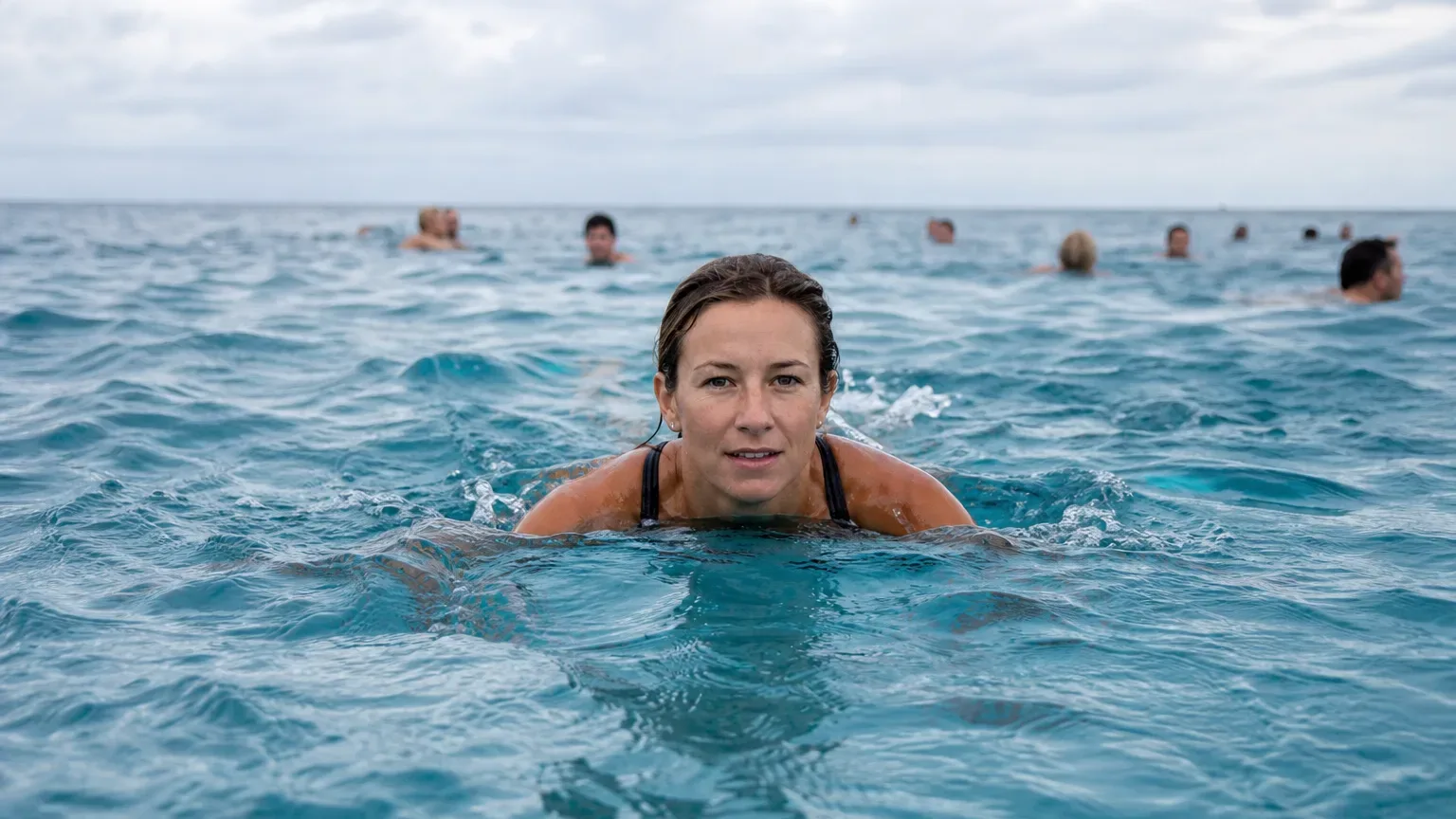
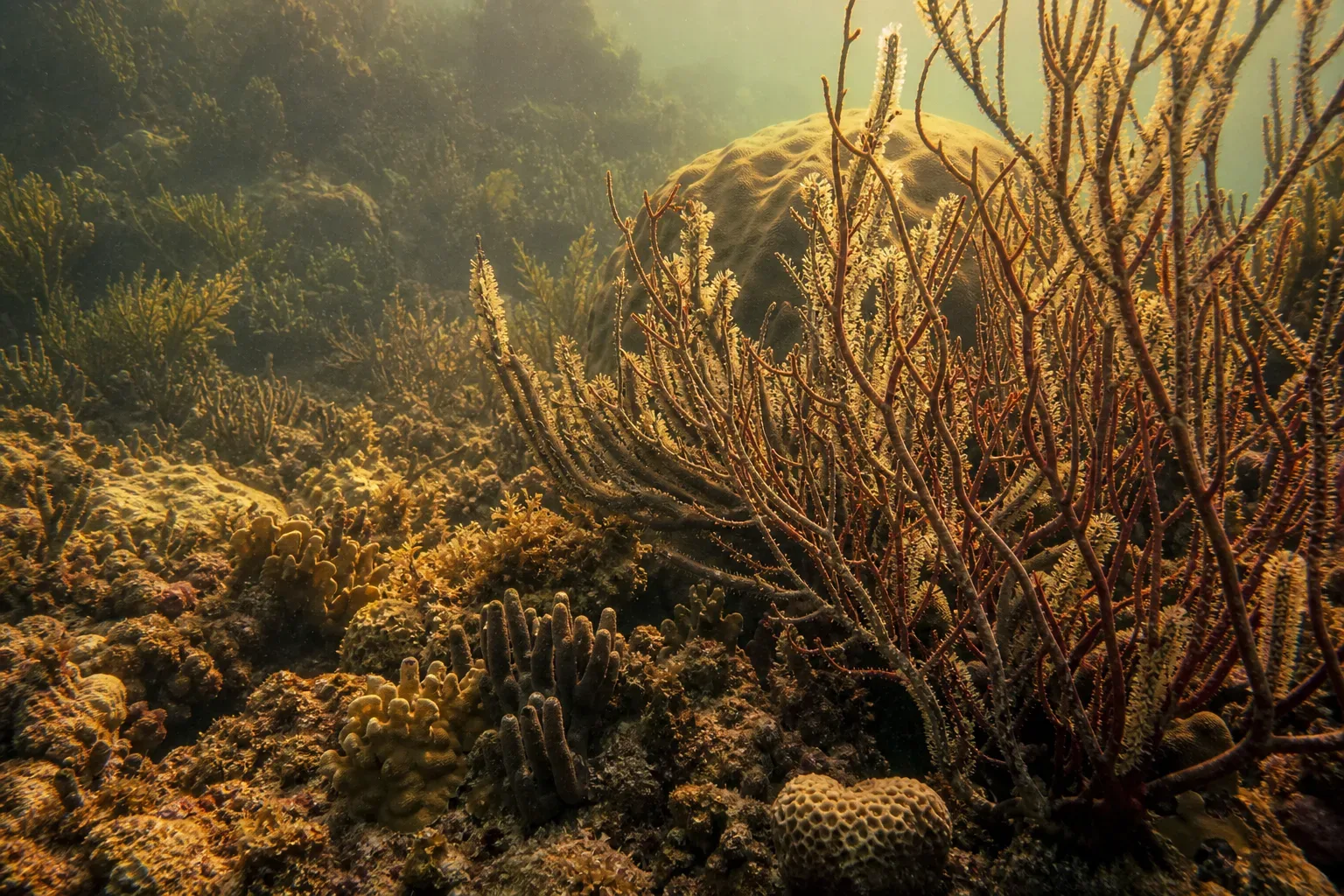
Tropical holiday destinations sit within 23.5 degrees north and south of the equator, delivering year-round warmth, high humidity, and some of the planet's most spectacular coastlines. Sea temperatures across the Indian Ocean, Caribbean, and Southeast Asia consistently reach 26–30°C, making swimming and snorkelling comfortable at any time of year. Underwater visibility in these clear-water regions ranges from 15 to 30 metres, which means reef diving is genuinely rewarding rather than murky. These conditions explain why tropical getaways remain among the most booked holidays from the UK.
Most flights to tropical destinations qualify as long-haul, covering more than approximately five hours from the UK. Return economy fares typically fall between £400 and £900 per person, excluding luggage. Booking 3–6 months ahead secures better availability and avoids peak-season price spikes. UK citizens can visit the majority of featured destinations without a visa or on a visa-on-arrival basis, though you should always verify current entry requirements with official government sources before booking.
The Maldives
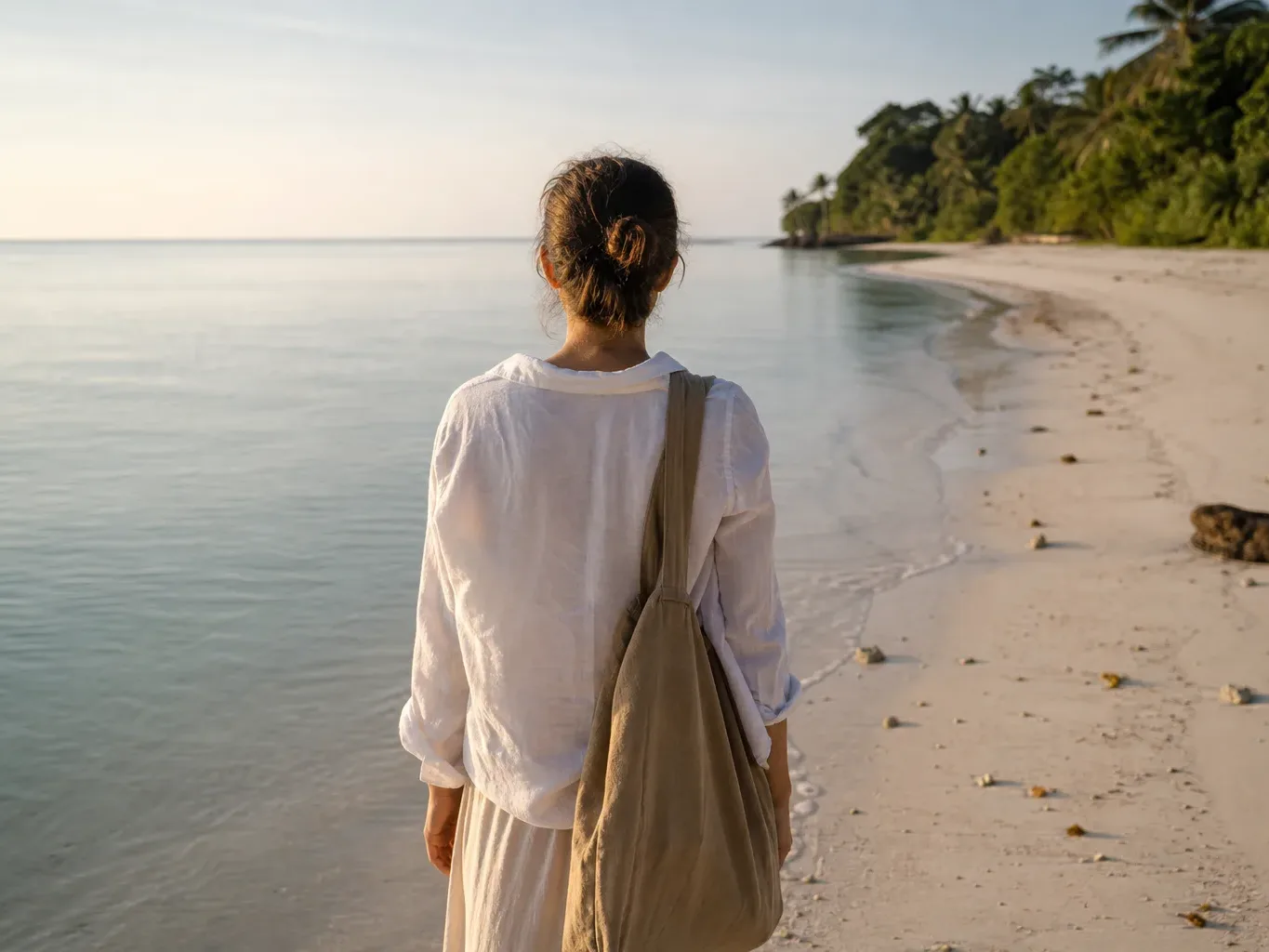
Few places match the Maldives for sheer visual drama. Overwater bungalows sit directly above coral lagoons with water so clear the reef is visible from the deck. Most resorts are private islands, so the beach outside your villa is genuinely quiet. The sea sits at 28–30°C year-round, and snorkelling directly from the shore is the norm rather than a boat excursion.
All-inclusive options here sit firmly in the luxury tier, typically costing £300–£700 per person per night based on two adults sharing. A typical long-haul stay runs 10–14 nights, which gives you enough time to explore multiple atolls. Always check the latest FCDO travel advice before booking.
The Caribbean
The Caribbean covers a wide arc of islands, each with a distinct character. Barbados suits first-time visitors well: the west coast beaches are calm, the food scene is strong, and direct flights operate from several UK airports. Jamaica offers a more varied landscape, mixing beach resorts with rainforest interior and a music culture that genuinely shapes daily life.
Mid-range all-inclusive resorts across the Caribbean cost roughly £150–£300 per person per night, with meals, drinks, and standard activities included. The hurricane season runs June through November, so October-to-March travel aligns with both the winter sun season and the calmer weather window. Sea temperatures hold at around 26–28°C throughout that period.
Southeast Asia
Thailand
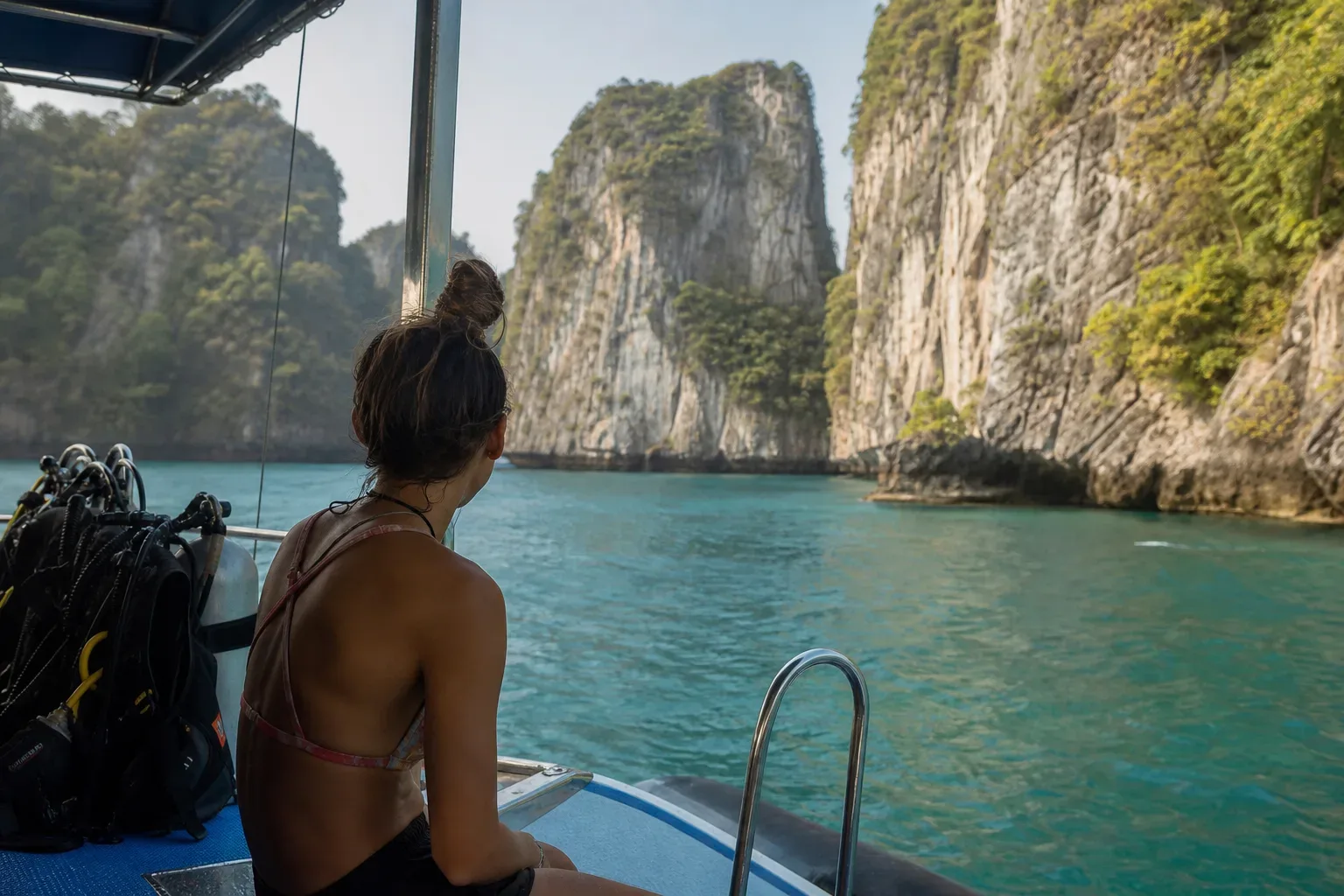
Thailand offers a remarkably broad range of tropical experiences within a single country. The Andaman Coast, covering areas like Krabi and Koh Lanta, delivers limestone karst scenery, turquoise bays, and some of the best-value diving in the world. Bangkok serves as a practical gateway, with connecting domestic flights taking under two hours to reach most island airports.
Budget all-inclusive accommodation starts around £80–£150 per person per night, though many travellers choose room-only stays at £40–£90 per room per night and eat locally. The dry season on the Andaman side runs roughly November to April, which lines up neatly with UK winter travel demand.
Bali, Indonesia
Bali has a well-earned reputation, but it earns it honestly. Seminyak and Canggu on the south-west coast combine good surf beaches with a strong independent dining scene. Ubud, set inland among rice terraces, offers a completely different pace and makes a sensible add-on for a two-week itinerary.
Accommodation sits at strong value compared with Caribbean equivalents. Mid-range hotels cost £90–£150 per room per night in most beach areas. The dry season runs April to October, making this a strong choice for spring and summer travel from the UK.
Vietnam and the Philippines
Vietnam's coastline stretches more than 3,000 kilometres, and spots like Da Nang and Phu Quoc now have direct or near-direct resort infrastructure built for international visitors. The Philippines, particularly Palawan and the Visayas, offers some of the clearest water in Southeast Asia, with snorkelling visibility reaching the full 15–30 metre range on good days.
Both countries suit longer stays of 10–14 nights, allowing time to mix city exploration with beach relaxation without feeling rushed.
Zanzibar and East Africa's Coastal Islands
Zanzibar sits just south of the equator and delivers the full tropical package: white sand, warm turquoise shallows, and a Swahili Stone Town that adds real cultural depth to a beach holiday. Sea temperatures average 26–28°C, and the north-east coast around Nungwi offers calm conditions year-round. Many UK travellers combine Zanzibar with a Tanzania safari, making a two-week itinerary that genuinely earns its flight time.
Accommodation ranges from budget beach bungalows at the lower end of the £80–£150 range up to boutique luxury properties. Cape Verde, closer to home at under six hours flying time, serves a similar niche for those wanting an African-adjacent tropical feel without the long-haul commitment.
Central America - Costa Rica and Belize
Costa Rica positions itself as an eco-travel destination, and the reality matches the branding. Rainforest, active volcanoes, and two separate coastlines, the Pacific and the Caribbean, sit within a country smaller than Scotland. The Nicoya Peninsula on the Pacific side has some of the most consistent surf and sunset beaches in the region.
Belize centres its appeal on the Mesoamerican Barrier Reef, the second largest in the world, with diving conditions that match the 15–30 metre visibility range typical of tropical destinations. Budget accommodation runs £80–£150 per person per night at all-inclusive resorts in coastal areas, though overwater lodges on private cayes push into mid-range and luxury territory. Both countries qualify as long-haul from the UK, with flights typically taking 10–12 hours.

Choosing Between Destinations
The right tropical destination depends on a few practical variables. Budget is the most obvious one: Southeast Asia delivers the most value per pound, particularly for accommodation and food, while the Maldives and premium Caribbean islands sit at the higher end.
Travel timing matters nearly as much as location. The winter sun season, October to March, suits the Caribbean, Maldives, and East Africa particularly well. Southeast Asia splits by coast, so research the specific island before booking to avoid wet-season surprises. For families, a 7–10 night trip to a short-haul tropical alternative like the Canary Islands can deliver 20–28°C daytime temperatures in the £80–£250 return flight range, which offers a compelling case when school holidays compress the budget.
Always check the latest FCDO travel advice for your chosen destination before confirming any booking.
Frequently Asked Questions
What Are the Hottest Holiday Destinations in the World?
The consistently hottest holiday destinations include the Maldives, Caribbean islands, Bali, Zanzibar, and Thailand's Andaman Coast. Sea temperatures in these regions reach 26–30°C year-round, and daytime air temperatures regularly exceed 28–32°C. These destinations all sit within 23.5 degrees of the equator, which gives them their reliable tropical climate.
When Is the Best Time to Visit Tropical Holiday Destinations?
The winter sun season, October to March, is the most reliable window for the Maldives, Caribbean, and East Africa. Southeast Asia is more nuanced: the Andaman Coast of Thailand is driest November to April, while Bali's dry season runs April to October. Booking 3–6 months in advance secures the best availability and fares, particularly during school holiday periods.
How Much Does a Tropical Holiday Cost from the UK?
Long-haul return flights to tropical destinations typically cost £400–£900 per person in economy, excluding luggage. All-inclusive resort costs range from £80–£150 per person per night at the budget tier up to £300–£700 at the luxury end. Southeast Asia is generally the most affordable region, while the Maldives and premium Caribbean islands sit at the higher end of the scale.
Do UK Passport Holders Need a Visa for Tropical Destinations?
UK citizens can visit the majority of popular tropical destinations without a visa or on a visa-on-arrival basis. This includes countries such as Thailand, Bali, the Maldives, Barbados, and Costa Rica. Entry rules change, so always verify current requirements with official government sources and check the latest FCDO travel advice before booking.
What Is the Best Tropical Destination for a First-time Long-haul Traveller?
Thailand and Barbados are both strong first choices. Thailand offers excellent infrastructure, clear coastal waters with 15–30 metre snorkelling visibility, and a wide range of budgets, with room-only hotels available from £40–£90 per night. Barbados suits those wanting a straightforward Caribbean experience with direct flights from the UK and calm west-coast beaches.