Best Tropical Islands to Visit in the Indian Ocean
Why the Indian Ocean Stands Apart
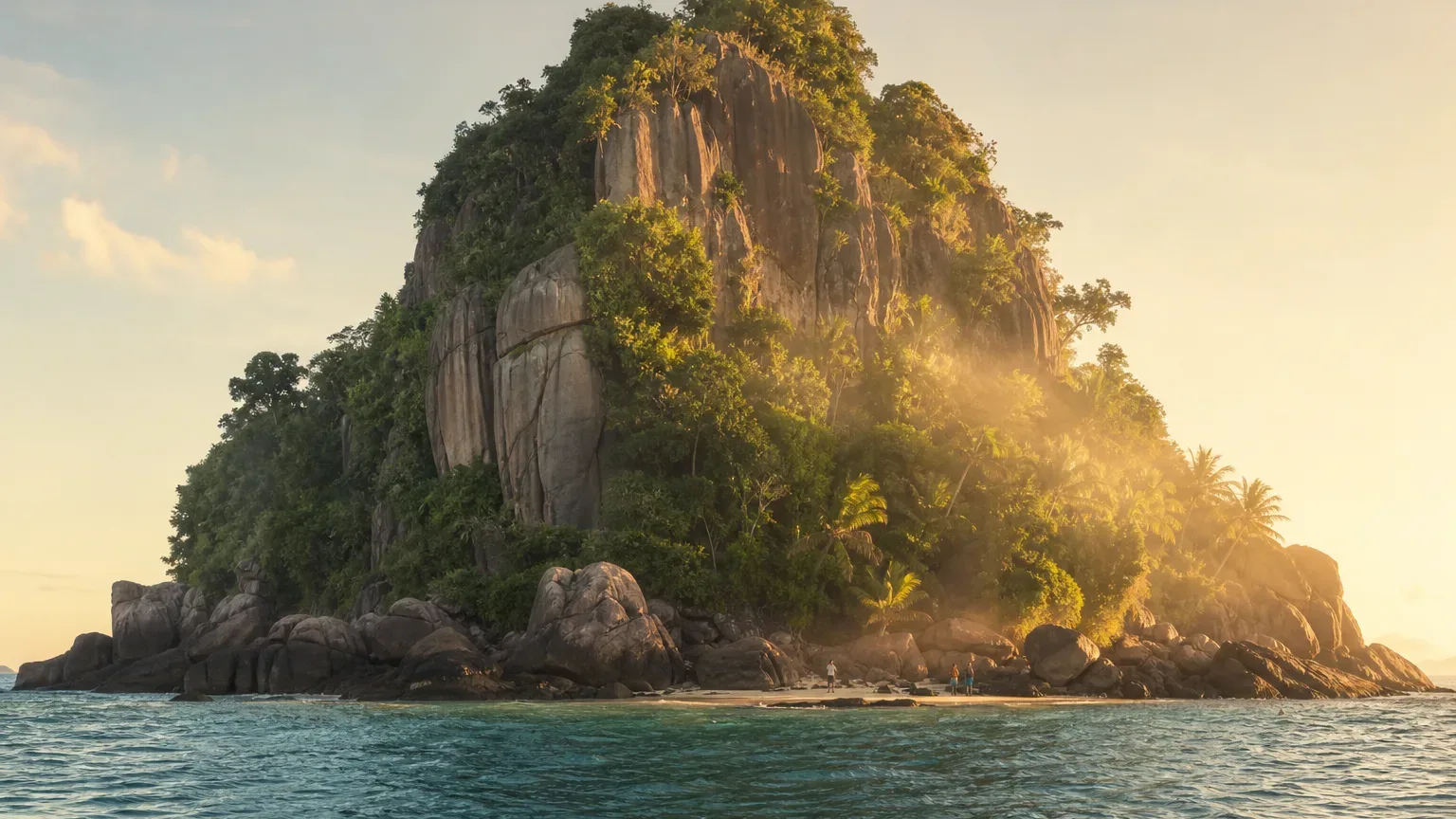
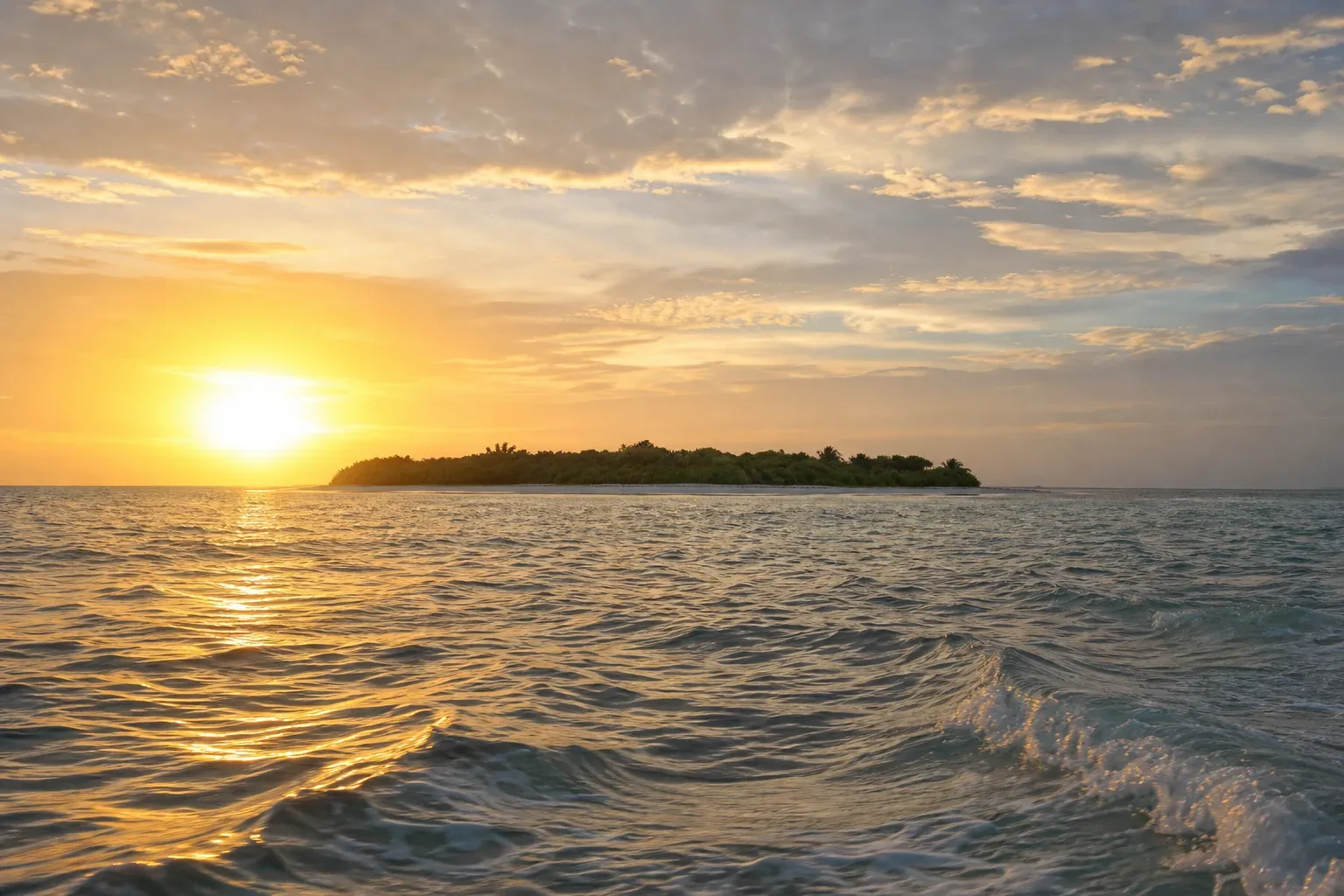
The Indian Ocean holds some of the most spectacular island destinations on earth, spread across a vast expanse of warm water that stretches from East Africa to the shores of Southeast Asia. Sea temperatures sit between 26–30°C year-round, making the water genuinely inviting in every month of the calendar. The islands here range from granite outcrops thick with jungle to low-lying atolls barely a metre above sea level. Each group has its own character, culture, and price point.
Checking the latest FCDO travel advice before booking any of these destinations is strongly recommended, as entry requirements and safety ratings can change without notice.
The Maldives - Atolls and Absolute Seclusion
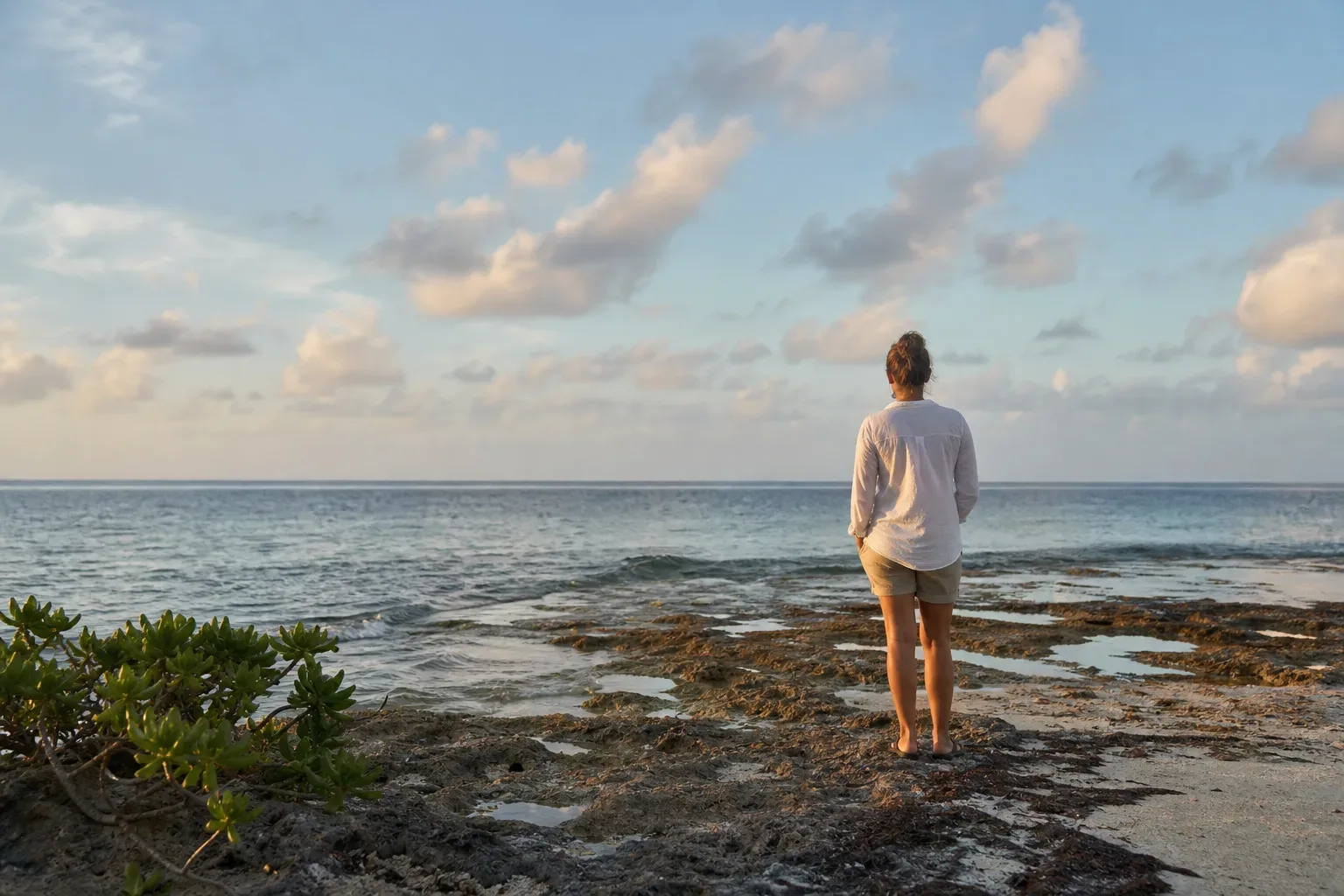
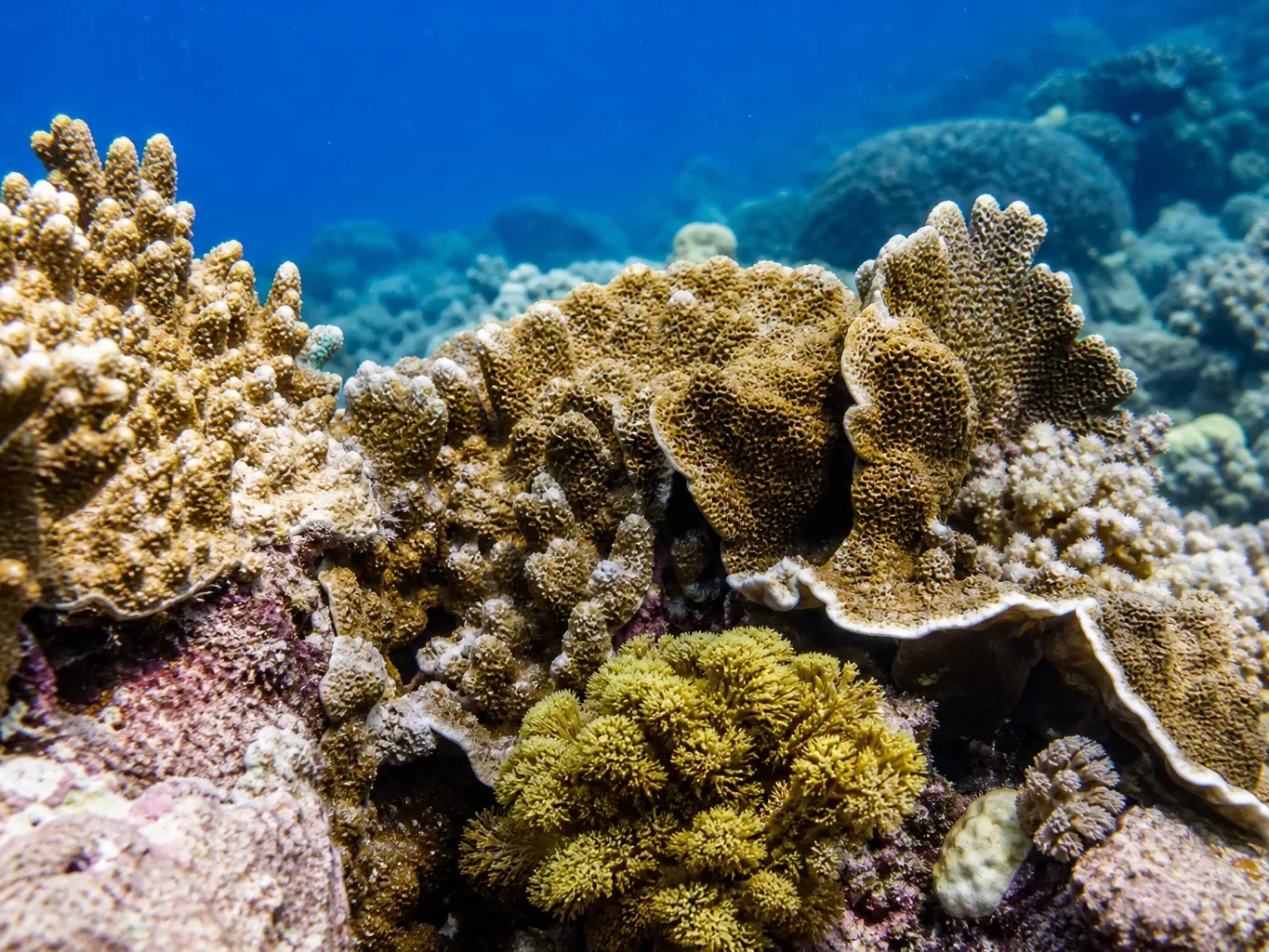
The Maldives is built from 26 natural atolls and roughly 1,200 individual islands, of which only around 200 are inhabited. The country sits within 23.5 degrees of the equator, qualifying it fully as a tropical destination by any practical measure. Visibility underwater reaches 15–30 metres across the best dive sites, and the coral formations here are among the most diverse in the world.
Who It Suits Best
The Maldives has a reputation for being expensive, and many resorts do sit at the luxury end of the scale, with all-inclusive pricing from £300–£700 per person per night. That tier gets you a private overwater villa, butler service, and direct lagoon access. Budget-conscious travellers should look at local guesthouses on inhabited islands such as Maafushi, where nightly rates are considerably lower and reef access is just as rewarding.
Most stays run 10–14 nights to justify the long-haul flight from the UK, which typically costs £400–£900 return per person in economy. Booking 3–6 months in advance is the standard advice for securing the better rooms and prices.
Seychelles - Granite Beauty and Marine Reserves
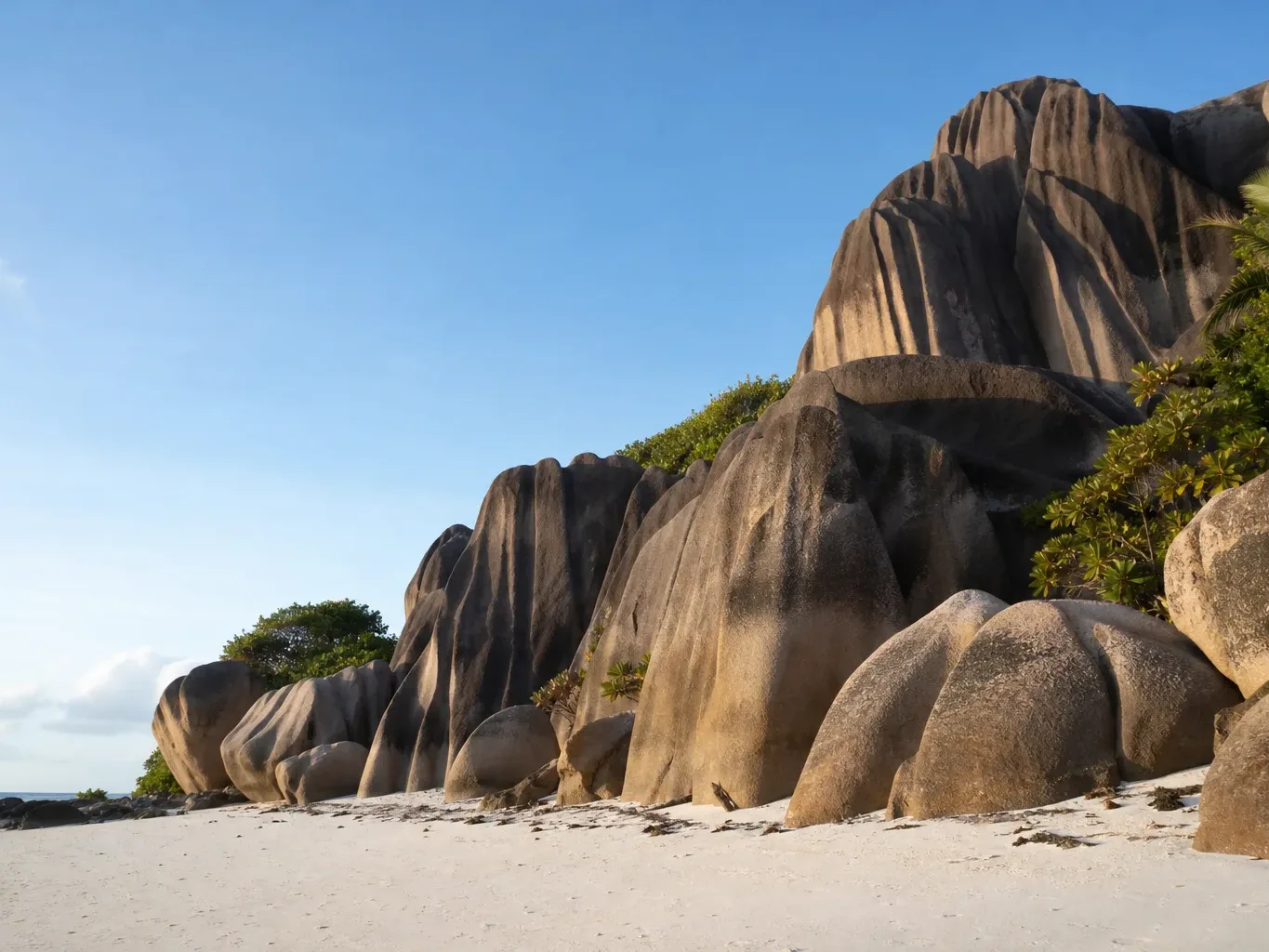
The Seychelles archipelago covers 115 islands scattered across the western Indian Ocean, and no two look alike. Mahé, Praslin, and La Digue form the main visitor cluster, each offering white sand beaches backed by enormous smooth boulders that are genuinely unlike anything else on the planet. Anse Source d'Argent on La Digue is consistently rated among the most photographed beaches in the world, for good reason.
Getting the Most from Seychelles
Accommodation here leans mid-range to luxury. Self-catering villas on Praslin, for example, give families flexibility without the full resort price tag. The islands are long-haul from the UK, so 10–14 nights makes practical sense. UK citizens can enter Seychelles without a prior visa, though verifying current entry requirements with official government sources before travel is always sensible.
The marine parks around the outer islands, particularly Aldabra, are among the least disturbed ecosystems in the Indian Ocean. Aldabra hosts the world's largest population of giant tortoises and requires a permit to visit, but the experience is extraordinary.
Mauritius - Reef, Rum, and Remarkable Variety
Mauritius offers a broader mix of experiences than many visitors expect. The interior is volcanic and mountainous, the coastline is ringed by a near-continuous barrier reef, and the population reflects a blend of Indian, African, French, and Chinese heritage that shows up clearly in the food. That variety makes it well suited to travellers who want more than a beach.
Costs and Practical Planning
Mid-range all-inclusive resorts on Mauritius sit in the £150–£300 per person per night range, which covers meals, drinks, and most on-site activities. The west coast around Flic en Flac is the most popular area for diving and snorkelling, with calm conditions and consistently clear water. The east coast, by contrast, tends to be windier and attracts kitesurfers.
Return flights from the UK to Mauritius sit in the long-haul bracket at £400–£900 per person in economy. The island has a well-developed tourism infrastructure, so transfers, excursions, and car hire are straightforward to arrange on arrival.
Zanzibar - Spice Island with East African Depth
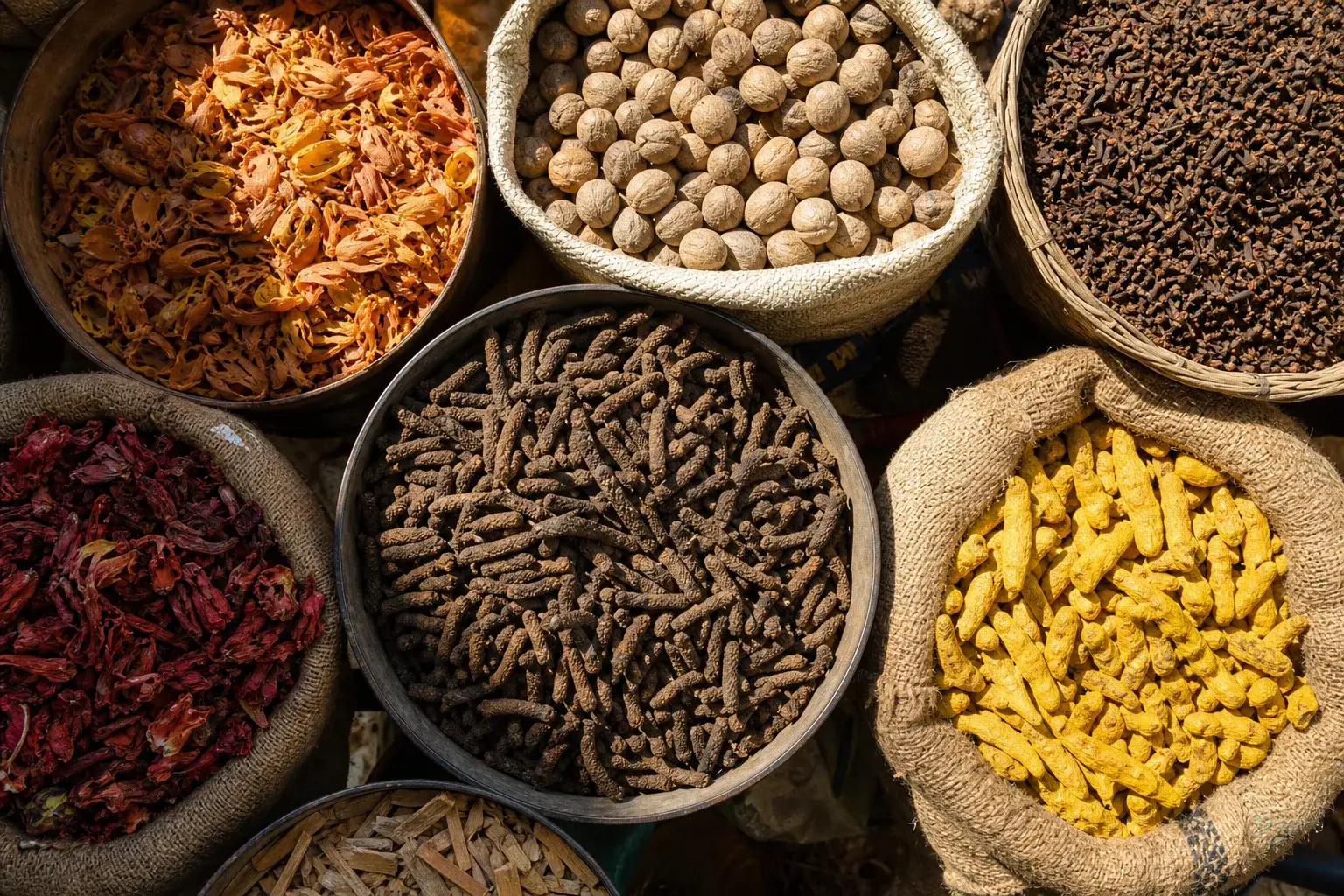
Zanzibar is technically a Tanzanian archipelago rather than an independent nation, but it functions as a distinct destination and is increasingly popular with UK travellers seeking something a little different. Stone Town, the old capital, is a UNESCO World Heritage site with a labyrinthine street plan, carved wooden doors, and a food scene built around spices grown on the island itself.
Beaches and Budget Options
The north and east coasts, particularly Nungwi and Paje, offer the white sand and turquoise water that appear in every beach holiday photograph. Budget accommodation options bring the nightly cost down significantly compared to the Maldives or Seychelles. Mid-range all-inclusive properties on Zanzibar fall into the £150–£300 per person per night bracket, and shorter stays of 7–10 nights are common among travellers combining the island with a Tanzania safari.
Short-haul flight pricing does not apply here. Zanzibar sits firmly in long-haul territory from the UK, with return fares in the £400–£900 per person range.
Réunion - the Indian Ocean's Best-Kept Secret
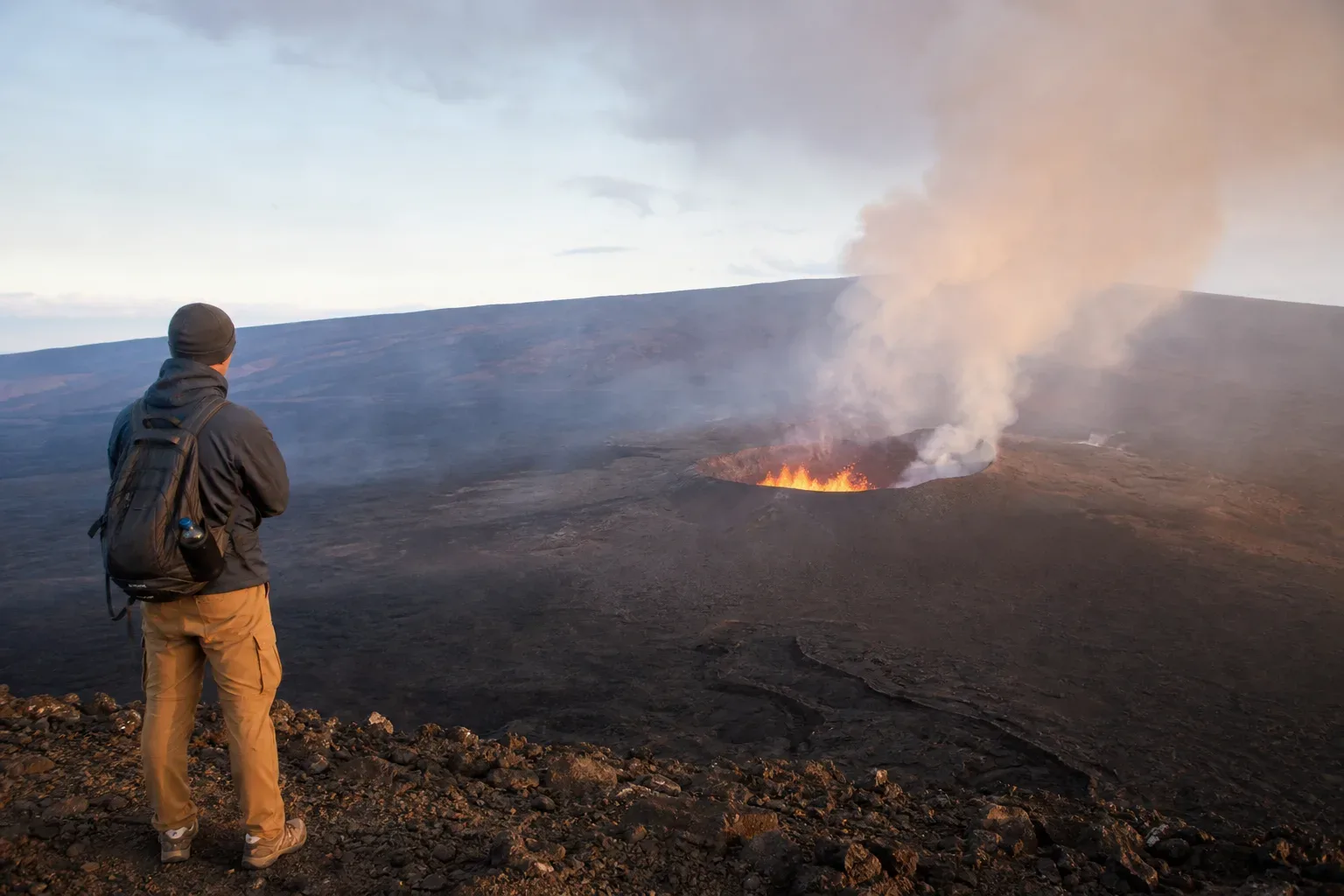
Réunion is a French overseas territory east of Mauritius, and it draws a different kind of traveller entirely. The island has an active volcano, Piton de la Fournaise, that erupts regularly and can be viewed safely from designated areas. The interior is dramatic enough to rival anything in the Pacific, with cirques (natural mountain amphitheatres) carved out by ancient volcanic activity.
Beach culture exists on the west coast, but hiking, canyoning, and wildlife watching are the main draws. Because Réunion is part of France, EU health card holders get standard coverage, but UK travellers need appropriate travel insurance. It is often overlooked by British tourists, which keeps it less crowded than its neighbours.
Indian Ocean Islands Best Time to Visit
The timing varies meaningfully by island group. The Maldives and Seychelles both have two monsoon seasons: the southwest monsoon runs roughly May to October and brings rougher seas to certain atolls, while the northeast monsoon from November to April is generally calmer and considered peak season. Mauritius and Réunion sit in the cyclone belt and are best avoided between January and March.
For the winter sun season, October to March is the window that delivers reliable warmth and lower rainfall across most of the Indian Ocean. Booking within that window, particularly for December and January travel, benefits from 3–6 months of advance planning to secure availability at preferred properties.
Diving in Indian Ocean Islands
Underwater visibility across the region runs to 15–30 metres in clear conditions, and the range of marine life is extraordinary. The Maldives is known for manta ray and whale shark encounters, particularly around the Baa Atoll UNESCO Biosphere Reserve. Seychelles sites around Mahé and the outer islands reward drift divers with strong currents that bring large pelagic species into range.
Mauritius has accessible diving for beginners off the west coast, with sheltered sites inside the lagoon and more challenging wall dives outside the reef. Zanzibar's Mnemba Atoll is widely regarded as East Africa's finest dive site, with hard coral gardens and a reliable population of dolphins and green turtles. Any certified diver planning a trip to this region would do well to check seasonal conditions with local operators before booking specific dive liveaboards.
Frequently Asked Questions
What Are the Best Tropical Islands to Visit?
In the Indian Ocean, the Maldives, Seychelles, Mauritius, and Zanzibar consistently rank among the best tropical islands to visit. Each suits a different travel style: the Maldives for seclusion and diving, Seychelles for dramatic scenery, Mauritius for variety, and Zanzibar for culture alongside beaches. Your choice will depend on budget, preferred activities, and how long you can travel.
What Is the Best Time to Visit Indian Ocean Islands?
October to March is the winter sun season across most Indian Ocean destinations, offering lower rainfall and calmer seas. The Maldives and Seychelles peak during the northeast monsoon period from November to April. Mauritius and Réunion are best avoided January to March due to cyclone risk. Booking 3–6 months in advance for December or January travel is advisable to secure availability.
Can You Visit Tropical Indian Ocean Islands on a Budget?
Yes, though the Maldives and Seychelles lean expensive, budget-conscious options exist. Guesthouses on inhabited Maldivian islands such as Maafushi offer much lower rates than resort islands. Zanzibar has a range of accommodation styles, and mid-range all-inclusive properties across the region run £150–£300 per person per night. Long-haul return flights from the UK typically cost £400–£900 per person in economy.
How Good Is Diving in Indian Ocean Islands?
Diving in the Indian Ocean is world-class, with underwater visibility of 15–30 metres in clear conditions. The Maldives is famous for manta rays and whale sharks, Zanzibar's Mnemba Atoll is rated East Africa's best dive site, and Mauritius offers beginner-friendly lagoon sites alongside more demanding outer reef walls. Seychelles rewards drift divers with strong currents and large pelagic species. Always check seasonal conditions with local operators before booking dive liveaboards.
Do UK Passport Holders Need a Visa for Indian Ocean Islands?
UK citizens can visit most featured Indian Ocean destinations without a prior visa or on a visa-on-arrival basis, including the Maldives, Seychelles, Mauritius, and Zanzibar. Entry rules can change, so verifying current requirements with official government sources before travel is essential. The FCDO publishes up-to-date travel advice for every destination and should be checked before booking.