Family-Friendly Beach Holidays in Spain
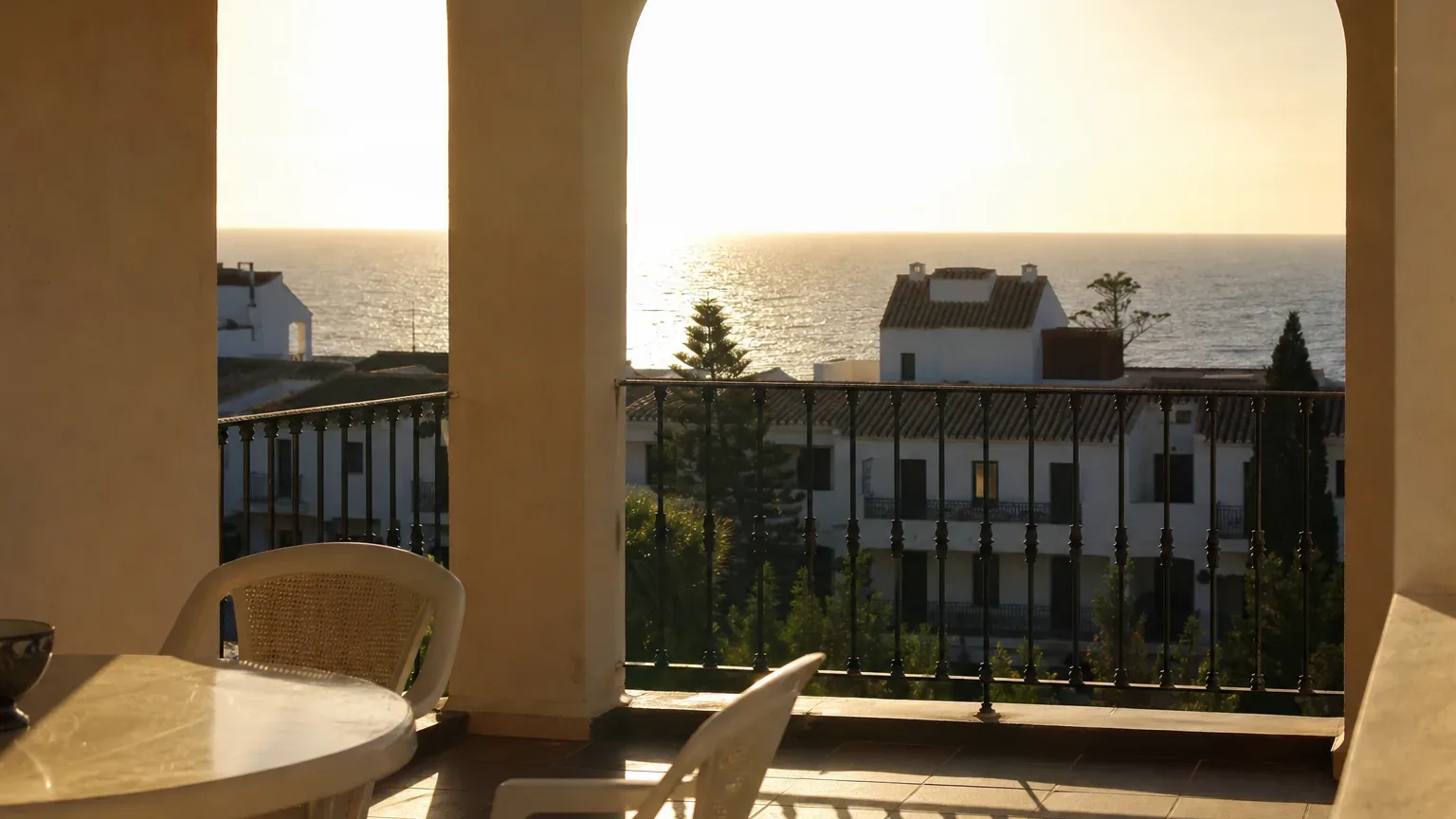
Spain remains one of the most reliable destinations for families travelling from the UK. Shallow sandy coves, reliable sunshine, direct flights under three hours, and a culture that genuinely welcomes children make it a practical choice year after year. Return economy flights typically cost £80–£250 per person, and most resorts offer a range of accommodation from self-catering apartments to all-inclusive hotels at £80–£300 per person per night.
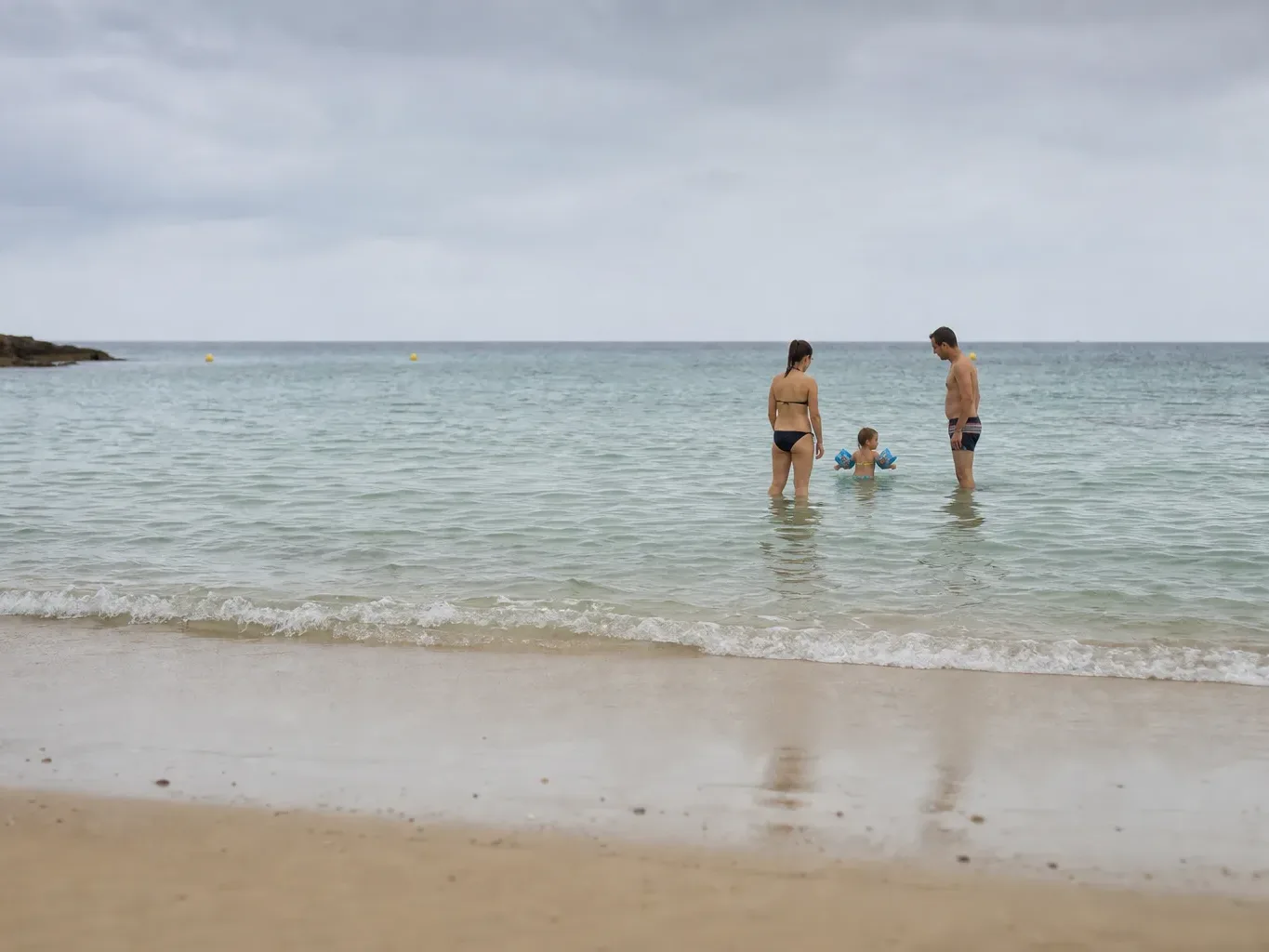
Where to Go - Best Resorts for Families
The Spanish coast covers an enormous stretch of varied terrain, so choosing the right base matters. Families with young children need calm, shallow water, good beach facilities, and easy access to food and activities without long transfers.
Costa Dorada
Salou is the headline act here. The main beach, Platja de Llevant, is wide and gently shelving, making it safe for children who are just getting confident in the sea. Port Aventura World sits minutes away, which effectively turns Salou into a two-centre option: beach days and theme park days in easy rotation. The resort is well set up for pushchairs and accessible movement between beach, promenade, and town.
Costa Blanca
Benidorm divides opinion among adults, but for families it delivers. The twin beaches, Levante and Poniente, are Blue Flag awarded, sheltered by the bay's curve, and patrolled by lifeguards throughout the summer season. Water parks, aquariums, and a dense cluster of family restaurants make it straightforward to fill a 7–10 night stay without hiring a car. Altea and Calpe, both within 30 minutes, offer quieter alternatives if you want a slower pace on some days.
Costa Del Sol
Nerja sits at the quieter eastern end of the Costa del Sol and suits families who want charm alongside beach. The Balcon de Europa promenade sits above several small coves with clear, clean water. Marbella's beaches are longer and more polished, with consistent facilities and a good range of mid-range hotels priced at £90–£200 per room per night.
The Canary Islands
Technically not on the Spanish mainland coast, but worth naming clearly. Tenerife's Playa de las Américas and Lanzarote's Puerto del Carmen both offer reliable warmth (daytime air temperatures of 20–28°C even in winter), calm Atlantic water, and a dense concentration of family-focused resorts. These islands operate effectively as year-round destinations, so a February half-term trip is genuinely viable rather than a gamble on weather.
What Makes a Resort Truly Family-Friendly
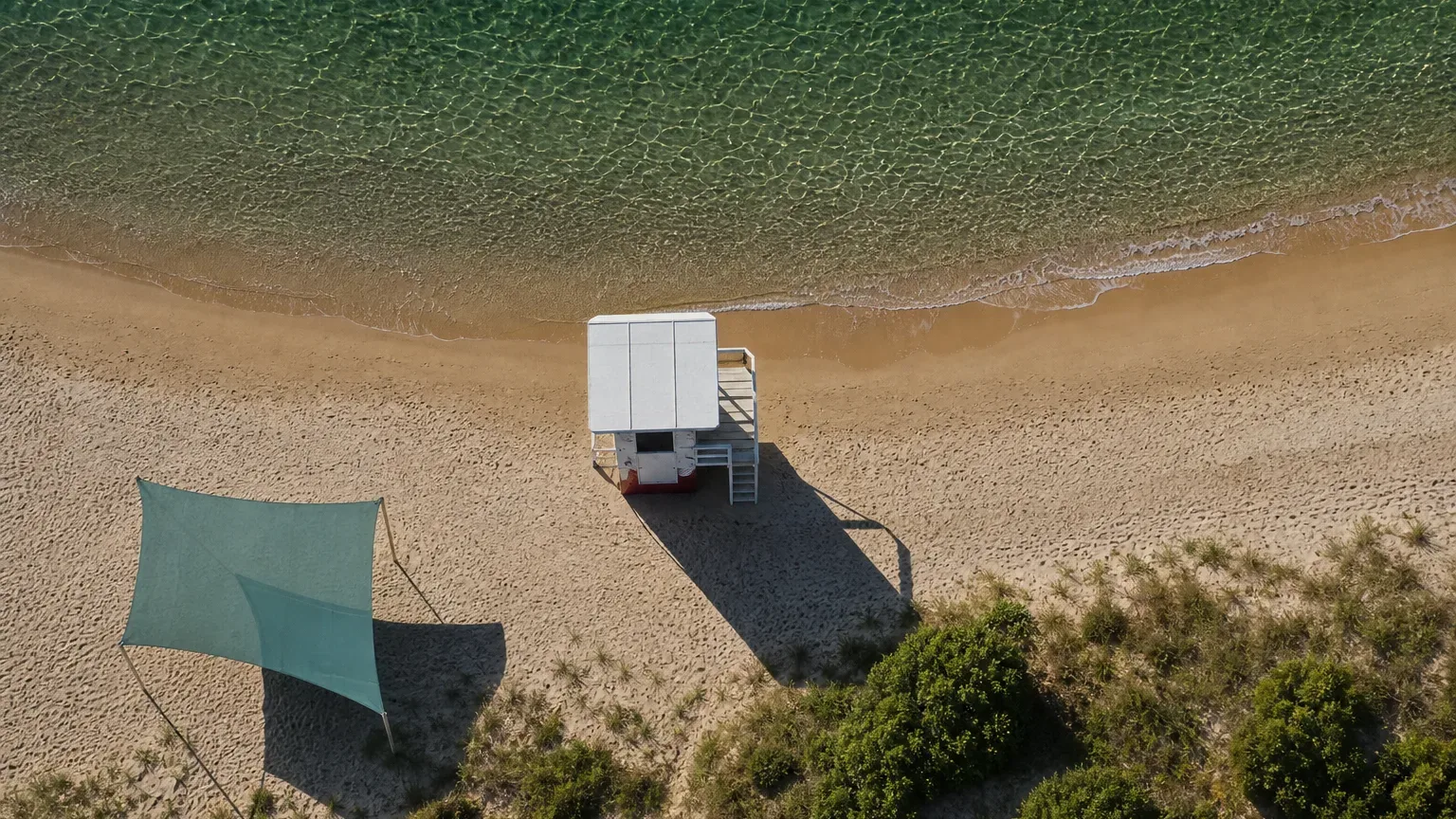
The difference between a resort that works for families and one that merely tolerates them shows up in small but important details. Lifeguard cover, clean shallow entry points, nearby shade, and good nearby supermarkets matter as much as the headline attractions.
Blue Flag status is a reliable baseline check. It confirms water quality, safety equipment, and basic beach management standards are met. Most of the main resorts mentioned above hold it, but individual beaches within a resort can lose it in a given year, so checking the current season's list before booking is sensible.
All-inclusive options are worth considering for families who want cost certainty. A budget all-inclusive in Spain typically runs £80–£150 per person per night; mid-range options with better food variety and more activities sit at £150–£300. These prices are based on two adults sharing, with children's pricing usually applied separately.
Spain Beach Holidays with Kids - Practical Planning
Booking 3–6 months ahead is the standard guidance for peak summer availability and the best prices. School holiday slots in late July and August fill earliest, particularly for ground-floor or pool-adjacent rooms that work best for families.
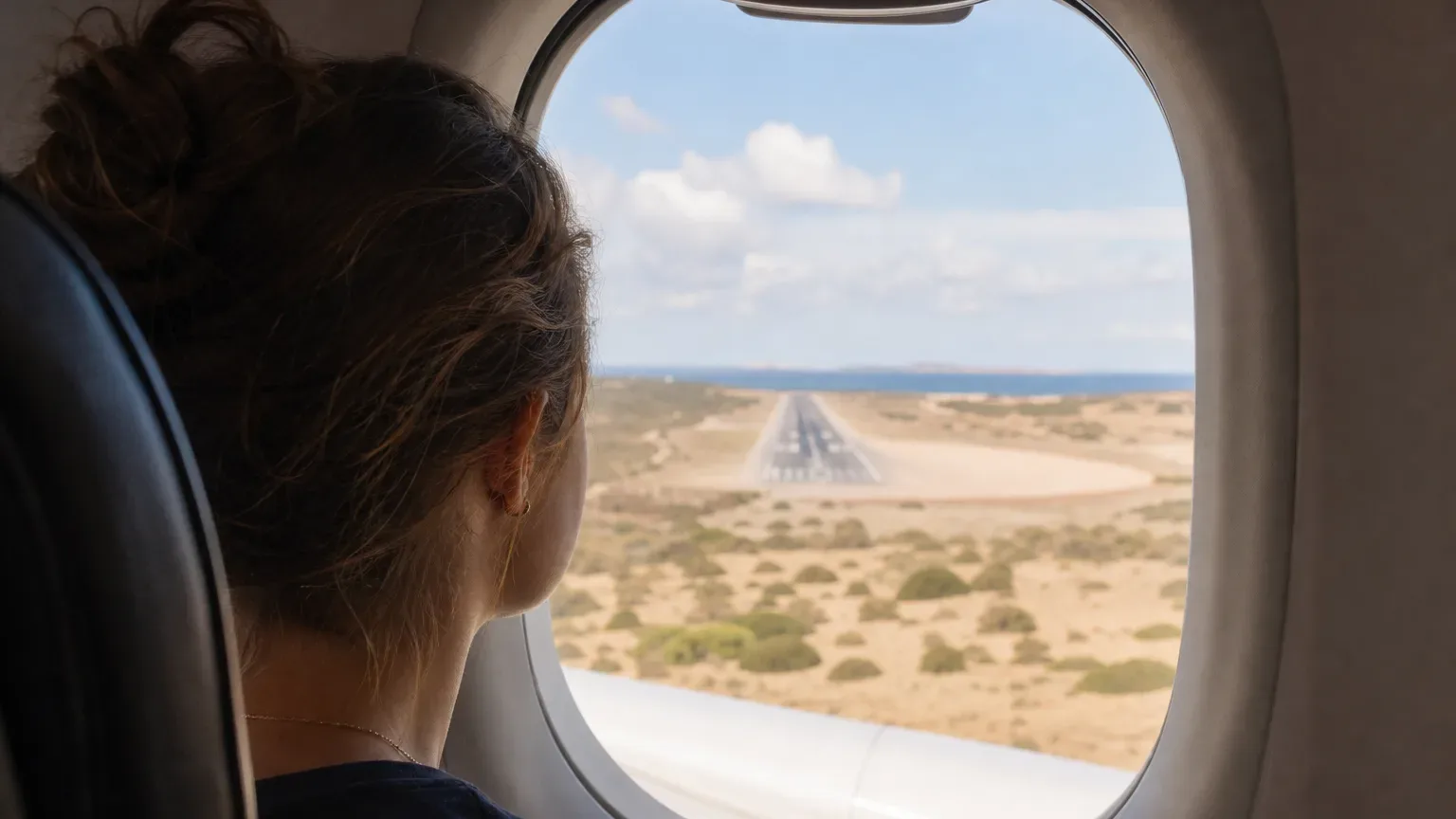
Flights from most UK regional airports reach the main Spanish coasts in under three hours, which keeps journey stress manageable for younger children. Direct routes to Alicante, Malaga, Reus, and Tenerife South run from airports including Manchester, Edinburgh, Birmingham, and Bristol, not just Heathrow and Gatwick.
Packaging the flight and hotel together, rather than booking separately, usually provides better consumer protection under ATOL or ABTA schemes. For families, that added security is practical rather than abstract: if a component fails, you have a single point of contact to resolve it.
What to Pack Beyond the Usual
High-factor sun cream (SPF 50 for children) is cheaper in the UK than at resort pharmacies, so buying it before travel saves money. A portable UV-blocking beach tent or pop-up shade gives young children somewhere to rest during the hottest midday hours without retreating indoors. Water shoes make rocky-entry coves on the Costa Brava and parts of the Costa del Sol much easier to navigate.
Safety and Entry Requirements
UK citizens can visit Spain without a visa. Always verify the current entry requirements and any documentation needed for travelling with children through official government sources before booking. Checking the latest UK Foreign, Commonwealth and Development Office (FCDO) travel advice before departure is strongly recommended.
For beach safety, the Spanish flag system is straightforward and worth explaining to children before you arrive. Green means conditions are safe; yellow means caution and stay close to shore; red means no swimming. Most family resorts enforce the red flag strictly.

Getting the Most from the Beach
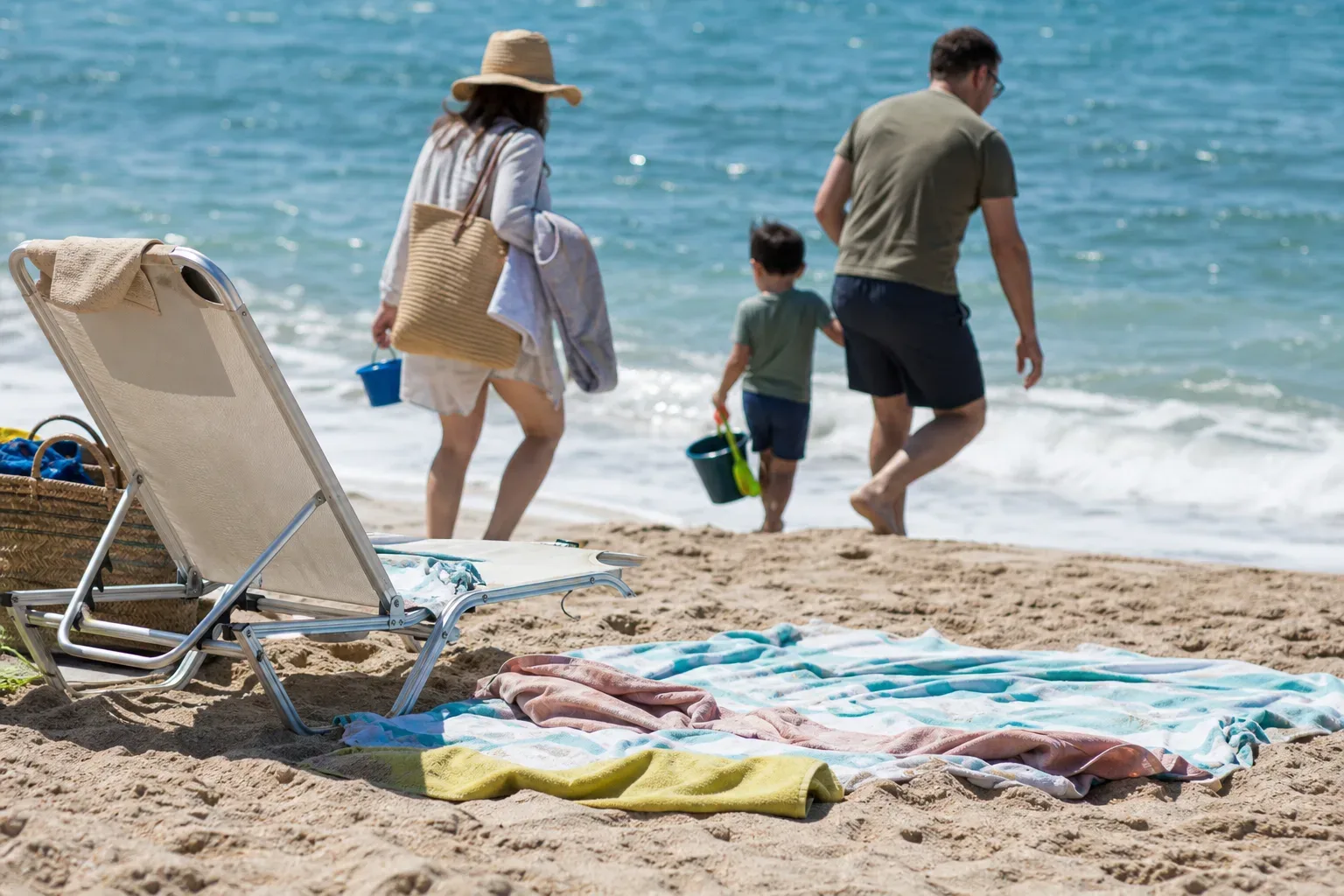
Arrive early. Between 9:00 and 10:30, most family beaches in Spain are at their calmest, the sand is cool, and securing a good spot near the water's edge is easy. By 11:30 in peak season, popular stretches like Benidorm's Levante or Salou's main beach fill quickly.
Eat lunch in the town rather than on the beach. Spanish beach-front prices are consistently higher than the restaurants one or two streets back, the food is usually better, and the shade is welcome. Many Spanish restaurants offer a set lunch menu (menú del día) that includes multiple courses at a fixed, modest price, which suits families well.
Evening beach time in Spain is genuinely special and often underused by British families. After 18:00 the heat drops, the light turns golden, and children can play in the shallows without sun protection concerns. Several resorts, including Nerja and Calpe, have promenades that come alive in the early evening with market stalls, ice cream vendors, and street entertainers.
Frequently Asked Questions
Family Friendly Resorts Spain Coast - Which Are the Best?
Salou on the Costa Dorada, Benidorm on the Costa Blanca, and Nerja on the Costa del Sol are consistently strong choices. All three have Blue Flag beaches, shallow entry points suitable for children, and a good range of restaurants and activities within walking distance. Tenerife and Lanzarote in the Canary Islands are excellent for year-round warmth, with daytime temperatures of 20–28°C even in winter.
Spain Beach Holidays with Kids - What Age Is It Best Suited For?
Spain works for children of almost any age. Toddlers and young children benefit most from gently shelving sandy beaches like those at Benidorm and Salou, which allow safe paddling in calm, shallow water. Older children and teenagers get more from resorts near water parks or theme parks such as Port Aventura in Salou. The Canary Islands suit all ages due to their reliable weather and wide range of resort facilities.
How Far in Advance Should I Book a Family Beach Holiday in Spain?
Booking 3–6 months ahead is recommended for peak summer travel, especially for school holiday dates in late July and August. Ground-floor rooms, pool-facing apartments, and family suites fill earliest at popular resorts. Booking a flight-and-hotel package also provides better consumer protection under ATOL or ABTA schemes than booking components separately.
How Much Does a Family Beach Holiday in Spain Cost?
Return economy flights from the UK typically cost £80–£250 per person, with most Spanish beach resorts reachable in under three hours. All-inclusive hotels start at around £80–£150 per person per night at the budget tier and £150–£300 at mid-range, based on two adults sharing. Self-catering apartments in most resorts are a more flexible and often cheaper option for larger families.
Do UK Citizens Need a Visa to Visit Spain for a Beach Holiday?
UK citizens can visit Spain without a visa for short stays. You should always verify the latest entry requirements, including any documentation needed for travelling with children, through official government sources before booking. It is also strongly recommended to check the latest UK Foreign, Commonwealth and Development Office (FCDO) travel advice before you depart.