Best Hot City Breaks in the Americas
The Americas offer some of the world's most compelling warm-weather cities, where colonial architecture sits beside jungle canopies, rooftop bars overlook turquoise coastlines, and street food culture rivals anything served in a restaurant. Whether you want Caribbean humidity, high-altitude sunshine, or Pacific-facing warmth, there is a city here to match the mood. Most trips run 7–10 nights for short-haul European travellers, though many UK visitors stretch to 10–14 nights to absorb longer-haul destinations properly. Mid-range hotels across the region typically cost £90–£200 per room per night, making a well-planned break genuinely achievable.


Why the Americas Work So Well for Hot City Breaks
The continent spans tropics, subtropics, and everything between, so warm weather is reliably available year-round in different pockets. Cities in Central America and the Caribbean sit broadly within 23.5 degrees north of the equator, meaning consistently high temperatures and that particular sticky warmth that makes cold drinks taste better. South American cities such as Cartagena and Medellín sit close enough to the equator to guarantee heat, while cities like Buenos Aires and Rio de Janeiro offer intense summer heat from November to March. Flight connections from the UK are frequent, and economy return fares from UK airports generally range between £400–£900 per person for long-haul routes to the Americas.
UK passport holders can visit the majority of featured destinations without a visa or on a visa-on-arrival basis, though you should always verify entry requirements with official government sources before booking. Always check the latest UK Foreign, Commonwealth and Development Office (FCDO) travel advice before finalising any travel plans.
Cartagena, Colombia - Sun, Sea and Spanish Baroque
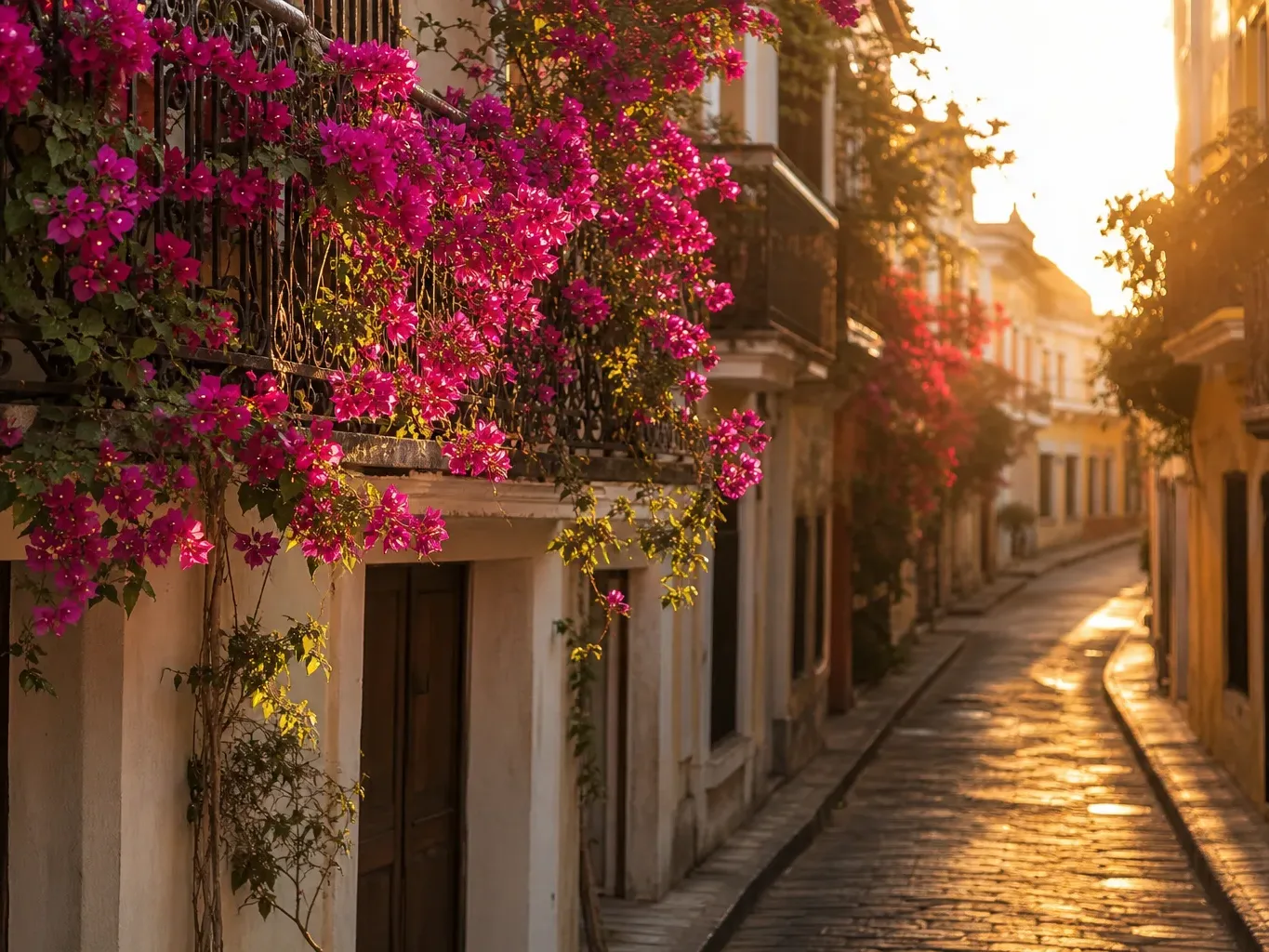
Cartagena is probably the hottest city break in South America in every sense. Daytime temperatures sit between 28–32°C year-round, and the old walled city is one of the most photogenic urban environments on the continent. Cobbled streets, bougainvillea-draped balconies, and fortress walls that drop straight into the Caribbean make it easy to fill several days without leaving the centre.
Mid-range boutique hotels inside the walled city typically fall within £90–£200 per room per night, with some well-regarded options at the lower end of that bracket if you book 3–6 months ahead. Evenings are best spent at rooftop bars along Calle del Arsenal, where the breeze off the Caribbean makes the heat very comfortable. Spanish is essential for navigating markets; most hotel staff speak functional English.
Mexico City - Altitude, Culture and Year-Round Warmth
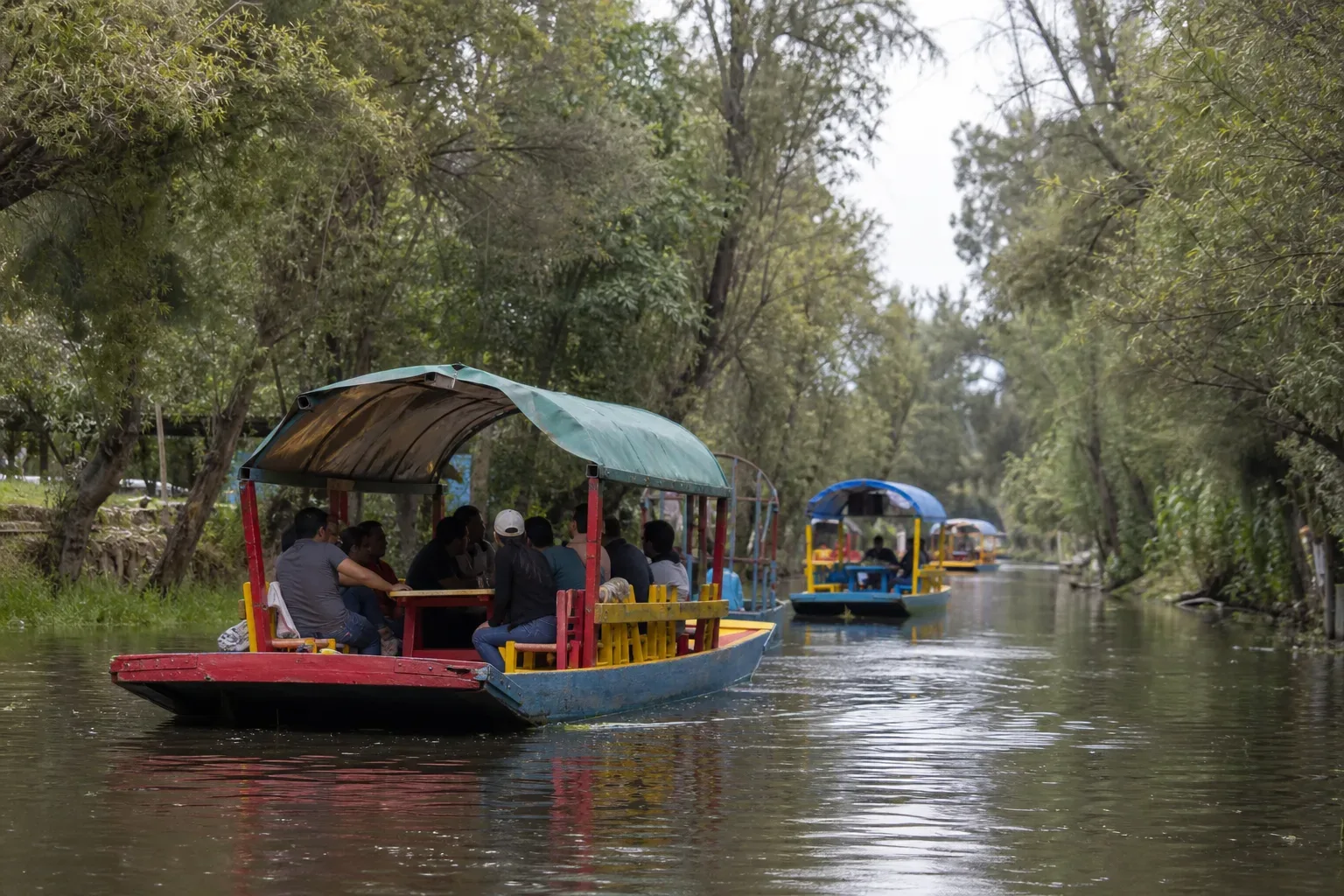
At 2,240 metres above sea level, Mexico City defies the expectation that warm means humid and heavy. Temperatures sit between 18–25°C through most of the year, with drier warmth than coastal alternatives. The cultural offering is extraordinary: the Museo Nacional de Antropología, Frida Kahlo's Casa Azul, and the floating gardens of Xochimilco could each absorb a full day.
Getting Around and Staying Comfortable
The Metro is cheap, safe enough in busy hours, and covers most major attractions. Taxis booked through apps such as Uber are the preferred option after dark. Food markets like Mercado de San Juan offer an affordable and genuinely delicious alternative to restaurants, with tacos al pastor costing less than £2 per portion.
Hotels in the Condesa and Roma Norte neighbourhoods sit comfortably within the £90–£200 per room per night bracket for mid-range options. Book well in advance for the November–March dry season, when demand from North American visitors peaks.
San José and the Gateway to Central America
San José is rarely anyone's final destination, but that undersells it. Costa Rica's capital sits in a highland valley at around 1,200 metres, keeping temperatures at a pleasant 22–27°C while the coasts bake. The city itself offers excellent coffee, a buzzing culinary scene in the Escalante district, and easy day-trip access to Poás Volcano and the Irazú Crater.
Hotels in the Barrio Amón boutique district fall solidly within the £90–£200 range for mid-range options. From San José, domestic flights to Liberia or Quepos take under an hour and open up Pacific or Caribbean beach extensions at little extra cost. For UK travellers wanting Central America without the intense heat of coastal destinations, this is the pragmatic choice.
Havana, Cuba - Faded Grandeur and Caribbean Heat
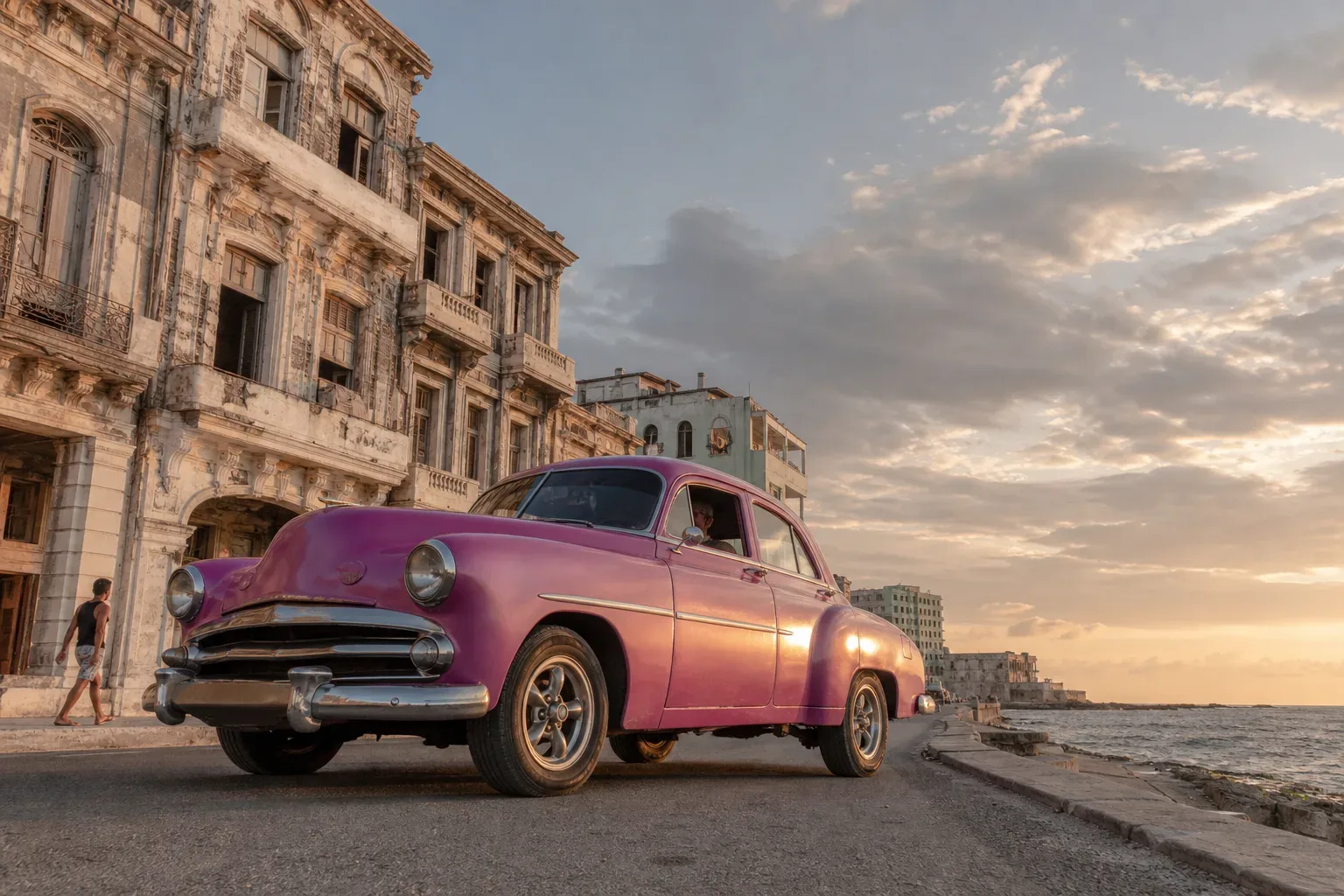
Havana runs warm all year, with temperatures between 25–32°C and the trade winds softening the Caribbean humidity. The city's appeal is almost entirely tied to its physical fabric: crumbling neoclassical mansions, vintage American cars in improbable colours, and the Malecón seafront walk at sunset.
Practical Considerations for UK Visitors
Cuba operates a dual-currency environment that has simplified somewhat in recent years, but carrying cash remains essential as international cards are widely unreliable. Wi-Fi is available in hotels and designated parks via prepaid cards rather than freely. Mid-range casas particulares, the Cuban equivalent of boutique B&Bs, typically cost £50–£90 per room per night, putting them slightly below the standard mid-range bracket.
Flight connections from the UK to Havana are available via several carriers, and fares sit within the standard long-haul economy range of £400–£900 per person return. Booking 3–6 months ahead secures the better fares.
Panama City - Modernity Beside the Jungle
Panama City is one of the most underrated hot city breaks in the Americas. The skyline looks like Miami but sits minutes from a tropical national park where sloths move through the canopy and toucans are a routine sighting. The Casco Viejo district, a UNESCO World Heritage Site, provides the colonial atmosphere, while Miraflores Locks offers one of the world's more unique afternoon excursions.
Temperatures run between 28–32°C year-round, and the rainy season from May to November brings afternoon showers rather than full-day downpours. Mid-range hotels in Casco Viejo or the financial district fall comfortably within £90–£200 per room per night. Panama uses the US dollar, which removes any currency exchange friction for UK visitors once they have arrived.

Rio De Janeiro - Heat, Drama and Urban Beaches
Rio is intense in the best way. The November–March summer period brings temperatures above 35°C on the hottest days, with Copacabana and Ipanema beaches functioning as the city's social fabric rather than tourist extras. Outside the peak summer, April–June and August–October offer temperatures of 25–30°C with lower humidity and fewer crowds.
Safety in Rio requires active awareness rather than anxiety: tourist areas are well-policed, and staying in Ipanema or Santa Teresa limits exposure to higher-risk zones. Mid-range hotels in Ipanema sit at the upper end of the £90–£200 bracket. Cariocas take food seriously, and a proper feijoada on a Saturday afternoon in a neighbourhood boteco is one of the finest cheap meals on the continent.
Choosing the Right City for Your Trip
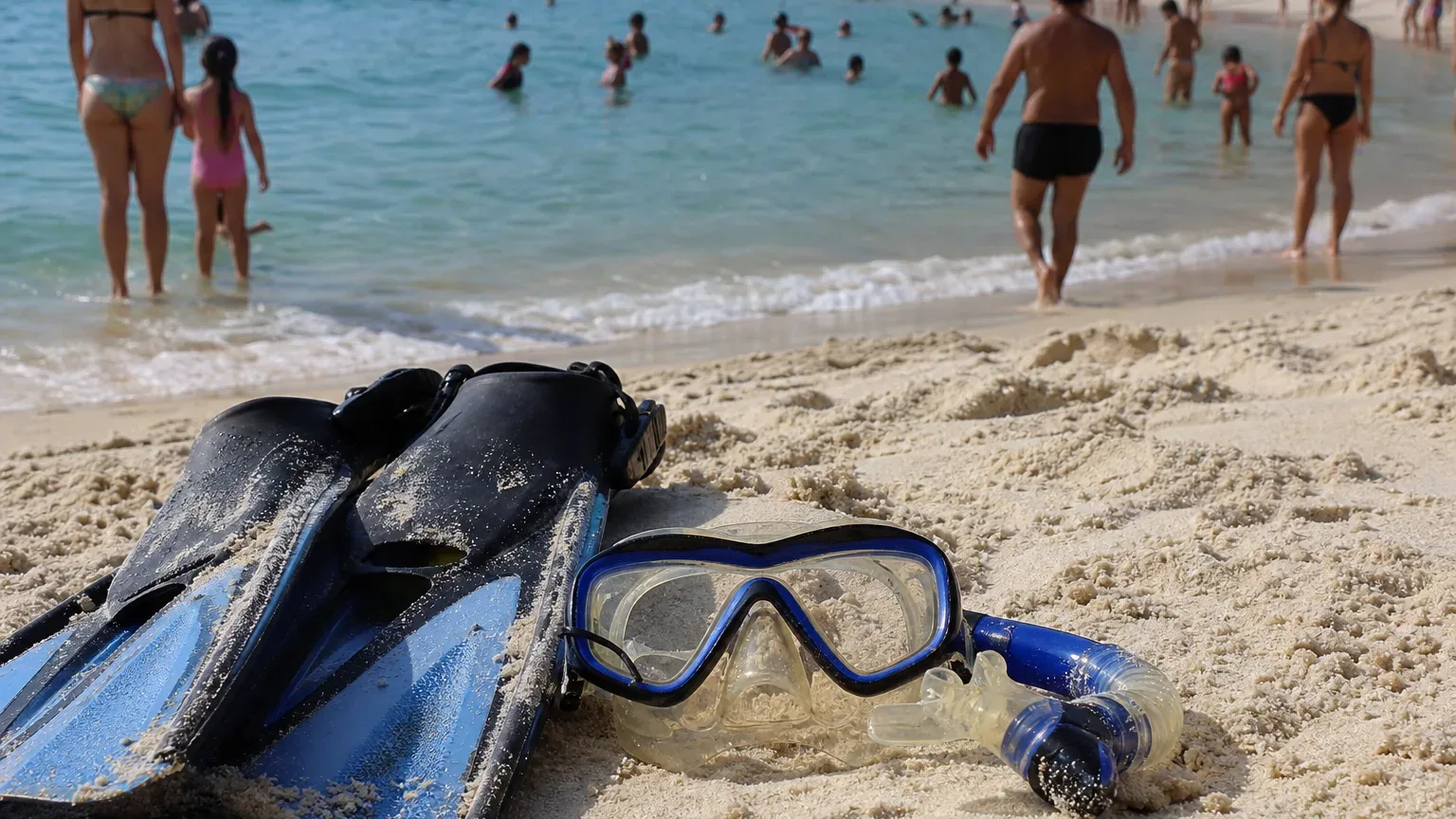
The right Americas city break depends on what you want the heat to feel like. Coastal cities such as Cartagena, Havana, and Panama City deliver thick tropical warmth and Caribbean or Pacific energy. Highland cities such as Mexico City and San José offer sunshine without the humidity. Rio delivers the full sensory overload of a megalopolis that happens to have world-class beaches built in.
All six cities reward an extended stay of at least 7 nights, and long-haul return fares of £400–£900 per person make a 10-night trip entirely viable with careful planning.
Frequently Asked Questions
What Are the Best Hot City Breaks in the Americas?
Cartagena in Colombia, Mexico City, Havana, Panama City, Rio de Janeiro, and San José in Costa Rica are consistently among the top picks for UK travellers. Each offers a distinct character: Cartagena and Havana deliver Caribbean warmth and colonial streets, while Mexico City and San José provide highland sunshine without heavy humidity. Rio is ideal for travellers who want a major city combined with world-famous beaches.
What Are the Best City Breaks in Central America?
Panama City and San José are the most accessible Central American city breaks for UK visitors. Panama City combines a striking modern skyline with the colonial Casco Viejo district and the famous Canal. San José in Costa Rica is cooler and greener, sitting at around 1,200 metres, with excellent food and straightforward access to volcanoes and national parks. Both cities have good hotel choice in the £90–£200 per room per night mid-range bracket.
When Is the Best Time to Visit South American Cities for Warm Weather?
It depends on which city you are visiting. Cartagena and Panama City are warm year-round, sitting close to the equator with temperatures consistently above 28°C. Rio de Janeiro is hottest and most festive between November and March, though April to June is more comfortable and less crowded. Mexico City and San José are pleasant throughout the year due to their altitude, with the dry season from November to April being the most popular choice.
How Much Should I Budget for a Hot City Break in the Americas?
Mid-range hotels in cities such as Cartagena, Mexico City, and Panama City typically cost £90–£200 per room per night based on two adults sharing. Long-haul economy return flights from the UK to the Americas generally range from £400–£900 per person. Booking 3–6 months ahead gives the best combination of price and availability, particularly for peak travel periods between November and March.
Do UK Passport Holders Need a Visa for the Americas?
UK citizens can visit the majority of popular Americas destinations, including Colombia, Mexico, Costa Rica, Panama, and Cuba, without a full visa or on a visa-on-arrival basis. Some countries require a tourist card purchased on arrival or online before travel. Requirements change, so always verify the current entry rules with the official government source for each destination and check the latest FCDO travel advice before booking.